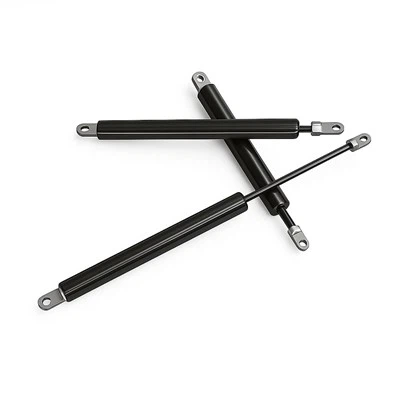
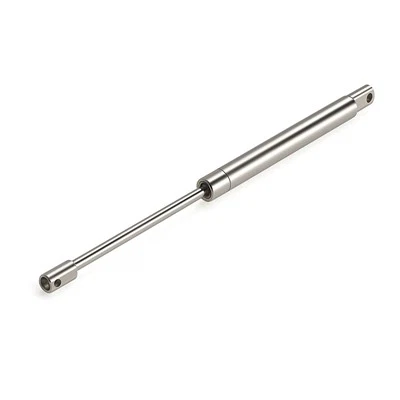
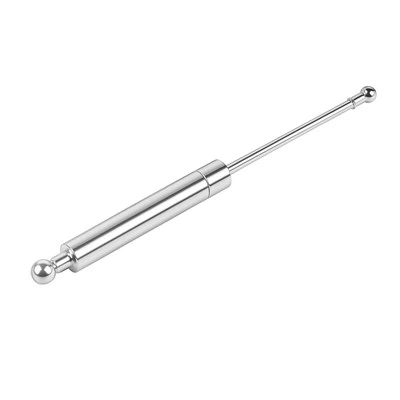
When a truck, bus, or off-highway vehicle spends ten hours a day on rough roads, the driver's seat becomes part of the suspension system. If the driver seat gas springs or passenger seat gas shocks are undersized, worn, or poorly selected, you get constant bouncing, fatigue, and even back injuries. Choosing the right driver seat gas struts and passenger seat gas springs is not just a comfort upgrade – it's a safety and productivity decision.
This buying guide walks you through how to choose seat height adjustment gas springs, seat reclining gas struts, and truck bus seat gas struts for commercial vehicles and off-road equipment, and how Land Gas Springs can support OEMs and fleet users with customized solutions.
Image suggestion: A cutaway view of a truck driver seat showing the gas spring and damper inside the seat suspension.
1. What Driver and Passenger Seat Gas Shocks Actually Do
Modern commercial seats use a combination of mechanical suspension and vehicle seat pneumatic struts or seat hydraulic dampers to:
- Support the driver's weight across a wide adjustment range
- Smooth out bumps and vibration
- Provide controlled seat height adjustment and seat reclining
- Hold the seat safely in position during braking, cornering, and impacts
Typical components include:
- Driver seat gas springs / driver seat gas struts for vertical suspension and height adjustment
- Passenger seat gas springs / passenger seat gas shocks for comfort and recline
- Automotive seat lift supports and car seat gas rams for lifting or tilting the seat cushion or base
- Seat position control gas springs to move the seat fore–aft or lock intermediate positions
Off-highway vehicles (construction machinery, agricultural tractors, mining trucks) often use nitrogen seat gas springs and heavy-duty non-locking seat gas springs designed for extreme shock loads, dust, and mud.
Image suggestion: Comparison graphic of a basic seat vs. a premium suspension seat with gas spring and damper system.
2. Key Parameters When Selecting Seat Gas Springs
When you choose driver and passenger seat gas shocks, you need to go beyond "just match the length". The main technical parameters are:
2.1 Load and Weight Range
The driver passenger seat gas lift cylinder must comfortably support the full range of user weight plus the seat's own weight:
- Light duty: 50–100 kg users (city buses, light trucks)
- Heavy duty: 80–150 kg users (long-haul trucks, construction equipment)
Correct selection means the seat doesn't bottom out or stay at the top of its stroke. Land Gas Springs engineers can help you calculate the ideal gas spring force (N) based on lever arms, seat geometry, and weight distribution.
2.2 Stroke and Installation Length
To maintain smooth suspension travel, your driver seat gas springs and truck bus seat gas struts must match:
- Extended length (center-to-center)
- Compressed length
- Stroke (travel distance)
If you are replacing an existing car seat gas ram or seat lift support, measure the old unit carefully or share the seat drawing; we can provide 2D/3D design proposals and recommend the best seat gas spring configuration.
2.3 Damping and Comfort Feel
The "feel" of the seat is controlled by internal damping:
- Seat hydraulic dampers or gas springs with internal oil damping give smooth, controlled movement.
- Soft-close seat gas struts avoid harsh impacts when the seat returns to its neutral position.
- For harsh environments, nitrogen seat gas springs with optimized damping avoid oscillations and bouncing.
2.4 Locking vs. Non-Locking Design
For most commercial seats, non-locking seat gas springs are used in the suspension system, while lockable units may be used in backrest or armrest adjustment mechanisms. Land Gas Springs also offers block-lift seat gas springs that provide controlled stepwise movement with a safe block-lift function for specific seat designs.
3. Application-Specific Selection Tips
3.1 Long-Haul Trucks and Tractors
Truck drivers may sit for 8–12 hours per day, so driver seat gas springs and seat height adjustment gas springs must be:
- Smooth in movement with low friction
- Stable across a wide temperature range
- Quiet, with no knocking or rattling
For premium cabins, OEMs often specify:
- Soft-close seat gas struts to avoid sharp rebounds
- Seat position control gas springs for fore–aft adjustment
- Corrosion-protected driver seat gas struts (black nitrided shafts) for long service life
Image suggestion: Interior of a modern truck cab highlighting driver seat, adjustment levers, and gas spring location.
3.2 City Buses and Coaches
Passenger comfort and durability are key:
- Passenger seat gas springs for smooth recline in coach seats
- Passenger seat gas shocks with gentle damping so that recline is controlled and safe
- Compact seat reclining gas struts that fit into narrow seat frames
Land Gas Springs can supply standardized solutions for bus seating systems as well as customized kits for specific seat models, helping bus OEMs and seat manufacturers reduce development time.
3.3 Off-Highway and Special Vehicles
Construction machinery, agricultural tractors, and mining trucks face:
- High shocks and vibration
- Dust, mud, and corrosive environments
- Very wide temperature ranges
Here, truck bus seat gas struts need to be heavy duty, often with:
- Oversized rods and cylinders
- Special seals for dirt and mud
- Nitrogen seat gas springs with tailored damping curves
Land Gas Springs can design vehicle seat pneumatic struts and seat hydraulic dampers specifically tested for off-highway conditions, including vibration and salt-spray testing.
Image suggestion: Excavator or tractor cab showing the suspended driver seat and gas spring inside the base.
4. Working with Land Gas Springs for Seat Gas Shock Projects
As an OEM manufacturer with decades of experience, Land Gas Springs supports seat manufacturers, truck and bus OEMs, and aftermarket distributors with:
- Custom-engineered driver seat gas springs, passenger seat gas springs, and automotive seat lift supports
- Different force ranges, strokes, and tube/rod diameters to match your seat design
- Surface treatments including black nitrided rods, painted or stainless steel bodies
- Long-life testing (cycle test, salt spray, temperature cycling) to meet OEM standards
Typical product families for seating include:
- Driver seat gas struts & car seat gas rams for suspension and height adjustment
- Seat reclining gas struts and seat position control gas springs for backrest and slide adjustments
- Non-locking seat gas springs and block-lift seat gas springs for suspension and step-by-step motion
Example product link ideas for your website:
- Driver & Passenger Seat Gas Springs for Trucks and Buses – Land Gas Springs
- Off-Highway Seat Suspension Gas Struts – Land Gas Springs
5. Simple Checklist Before You Order
When you are ready to source new driver and passenger seat gas shocks, collect the following information:
1.Vehicle type: truck, bus, coach, forklift, construction, agricultural, mining.
2.Seat model and manufacturer (if available).
3.Mounting dimensions: extended and compressed length, stroke, and end fittings.
4.Approximate user weight range and comfort level required.
5.Environment: normal road, off-road, coastal, high-corrosion, temperature extremes.
Share these details with Land Gas Springs and our engineering team can quickly recommend the right driver passenger seat gas lift cylinder or develop a customized seat gas spring solution, complete with 3D drawings and testing support.
Whether you are an OEM seat manufacturer, a truck or bus builder, or an aftermarket distributor looking for reliable driver seat gas springs and passenger seat gas shocks, Land Gas Springs is ready to help you upgrade comfort and safety.
Contact us (info@lgassprings.com) to:
- Request our detailed seat gas spring catalog
- Get professional design drawings for your seat suspension project
- Receive a customized quotation and favorable pricing for your volumes