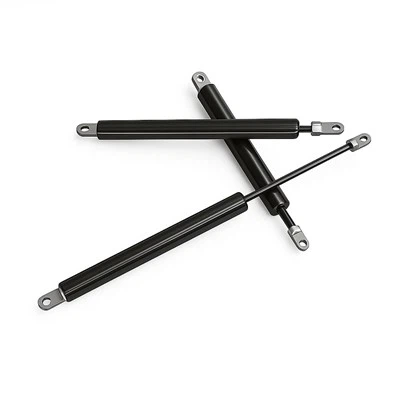
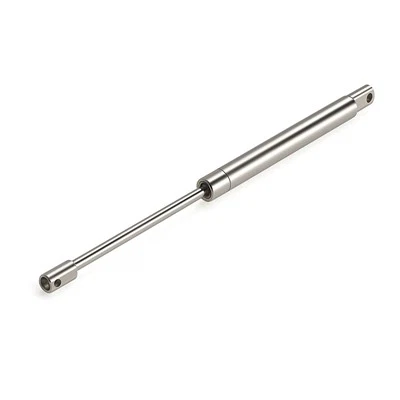
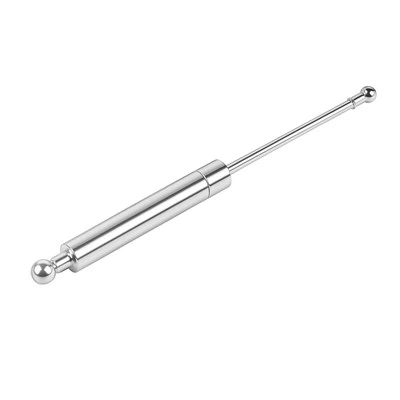
Hydraulic Dampers For Soft Close & Controlled Motion
Hydraulic dampers are designed to control motion speed, reduce impact, and improve soft close performance in lids, doors, covers, panels, and access systems. Unlike gas springs that mainly provide support force, hydraulic dampers are used to create smoother, quieter, and more controlled closing movement.
They are commonly used in cabinets, toolbox lids, equipment covers, access panels, and other structures where slamming, pinch risk, noise, and uncontrolled closing need to be reduced. This page helps explain typical applications, damping parameters, installation direction, and selection guidance in one place.
-
![Door Dampers Motion and Speed Control]() Door Dampers Motion and Speed ControlLand Hydraulic Door Dampers provide smooth, controlled closing motion for doors and access panels. These precision dampers eliminate door slam and reduce noise with adjustable speed control. Ideal
Door Dampers Motion and Speed ControlLand Hydraulic Door Dampers provide smooth, controlled closing motion for doors and access panels. These precision dampers eliminate door slam and reduce noise with adjustable speed control. Ideal -
![Soft Close Lid Gas Dampers]() Soft Close Lid Gas DampersLand Soft Close Lid Dampers ensure gentle, controlled closing for lids and covers. These compact dampers prevent finger injuries and product damage through smooth hydraulic action. Perfect for
Soft Close Lid Gas DampersLand Soft Close Lid Dampers ensure gentle, controlled closing for lids and covers. These compact dampers prevent finger injuries and product damage through smooth hydraulic action. Perfect for


Why Choose Us
Rich Experience
We had 30+ years of production experience, Annual output of 4 million pieces, product is tested for force, leakage, cycle life, and corrosion resistance to ensure consistent and reliable performance.
Custom Service
We provide tailored gas spring solutions based on your drawings or specifications, including force, stroke, materials, and fittings.
Our Certificate
ROHS, SGS, MSDS, CMRT test reports complying with international certification standards, ASTM-B117 200hours salt spray testing, and 100000 cycles of fatigue life testing passed.
Product Overview
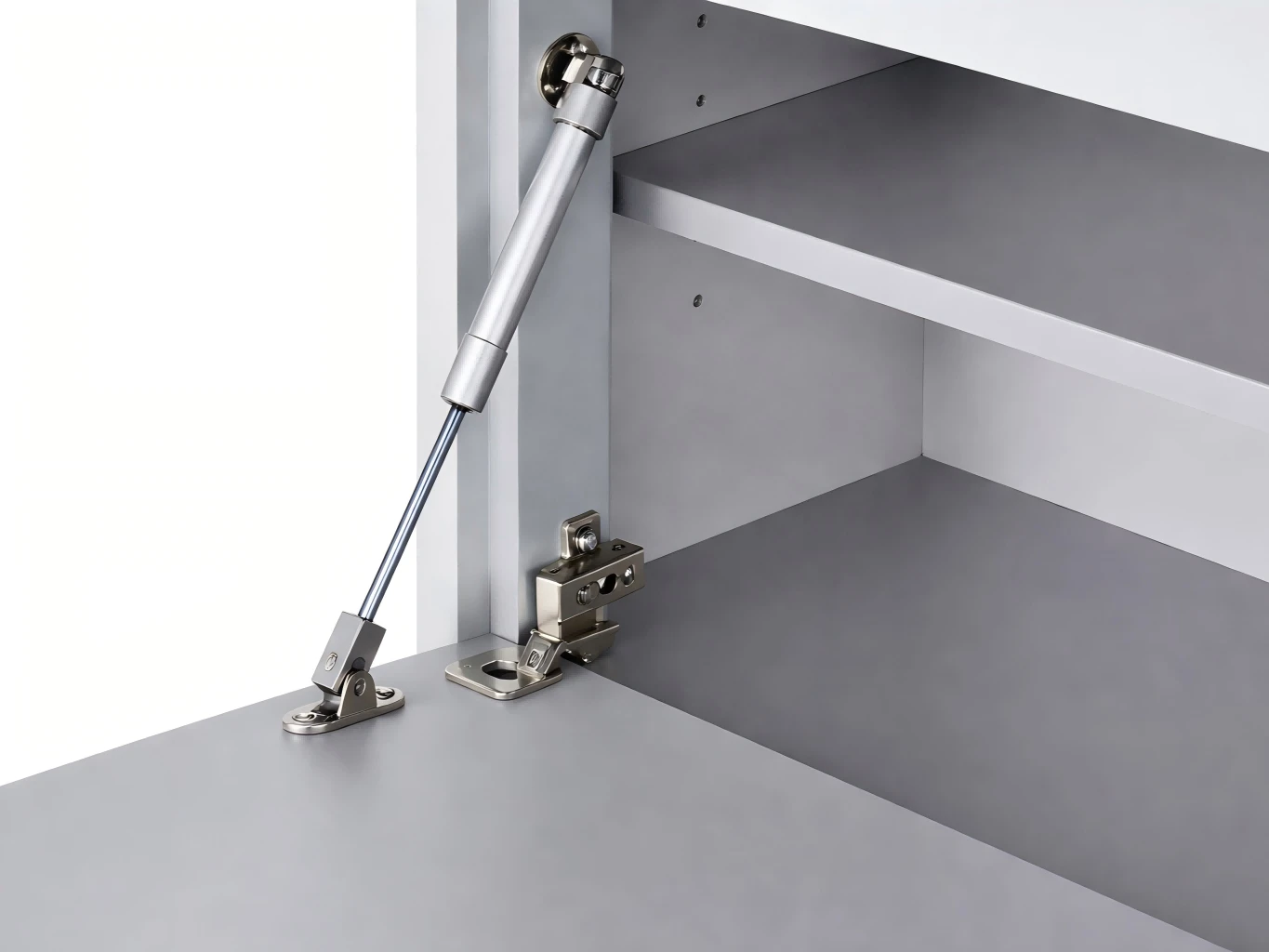
Hydraulic dampers are motion control components designed to slow movement, reduce closing shock, and improve overall operating feel. They are widely used in soft close applications where a lid, door, cover, or panel should not slam shut or stop abruptly.
Compared with unsupported movement, hydraulic dampers help provide more controlled closing speed, lower noise, and better product protection. They are especially useful in cabinets, toolbox lids, machine covers, access panels, and other systems where smoother and safer closing is important.
Depending on the application, hydraulic dampers can be selected in standard sizes or customized according to stroke, damping force, fittings, installation direction, and working conditions. Correct matching depends not only on component size, but also on motion speed, lid weight, mounting layout, and the required damping effect.
Small Highlights:
Installation Direction
Hydraulic damper performance can be affected by installation direction, mounting angle, stroke usage, and the actual motion path of the lid or door.
For soft close applications, the damper should be matched to the real closing direction and speed of the structure. Before selection, it is important to confirm whether the damper works in compression, extension, or both directions, and whether the application requires end-of-stroke slowing or full-travel motion control.
A correctly matched installation direction helps improve damping consistency, motion smoothness, and long-term reliability in actual operation.
Correct installation direction is important for achieving the intended soft close effect and stable damping performance.
- Confirm the actual closing direction
- Check available stroke during movement
- Match the mounting angle to the application
- Verify the real closing speed of the structure
- Avoid side load or installation misalignment
- Confirm whether compression, extension, or bidirectional damping is needed

Product Specification
We offers the following product specifications:
|
Force Range: |
20 N to 50,000 N (compression and extension) |
|
Outer Diameter: |
Ø12 mm to Ø70 mm |
|
Piston Rod Diameter: |
Ø4 mm to Ø30 mm |
|
Stroke Life: |
Approx. 10,000 meters |
|
Free Travel: |
~20% of stroke (optional separator piston available to eliminate free travel) |
|
Adjustment Mechanism: |
Turn piston rod in fully extended or compressed state |
|
Temperature Range: |
-20 °C to +80 °C |
|
Positive Stop: |
External stop required (1–6 mm before end of stroke) |
|
Damping Medium: |
Hydraulic oil |
|
Material Options: |
Coated steel body; Steel or stainless steel piston rod; Zinc-plated steel end fittings |

Precise damping control: Continuous and adjustable damping force is achieved through liquid flow to adapt to various vibration and impact conditions.
Simple structure: Usually the structure is relatively simple and easy to maintain.
Wide applicability: From small machinery to large building structures, oil dampers can adapt to the use needs of various scales and conditions.
Enhanced Performance: By providing controlled damping, hydraulic dampers improve the performance and stability of vehicles and machinery, leading to safer and more efficient operations.
Size
|
Hydraulic Damper Type |
Hydraulic Damper Size |
Stroke (Rod) Length Min / Max |
With Extension Force |
Characteristics and Additional Information |
|
Standard Oil-Filled Damper |
6-15 |
25-200 |
No |
For use in extension, compression or both directions. |
|
8-18 |
25-300 |
|||
|
8-23 |
25-300 |
|||
|
10-23 |
25-555 |
|||
|
10-28 |
25-555 |
|||
|
14-28 |
25-645 |
|||
|
Oil-Filled with Separator Piston |
6-15 |
25-200 |
No |
For use in extension direction only |
|
8-18 |
25-300 |
|||
|
8-23 |
25-300 |
|||
|
10-23 |
25-555 |
|||
|
10-28 |
25-555 |
|||
|
14-28 |
25-645 |
|||
|
Through Damper |
6-15 |
25-200 |
No |
Only available in stainless steel |
|
8-18 |
25-300 |
|||
|
8-23 |
25-300 |
|||
|
10-28 |
25-400 |
|||
|
14-28 |
25-400 |
|||
|
Gassed (Emulsion) Damper |
6-15 |
25-200 |
Yes |
Self-extending damper / slow gas spring |
|
8-18 |
25-300 |
|||
|
8-23 |
25-300 |
|||
|
10-23 |
25-555 |
|||
|
10-28 |
25-555 |
|||
|
14-28 |
25-645 |
|||
|
Gassed with Separator Piston |
8-18 |
25-300 |
Yes |
Self-extending damper / slow gas spring |
|
8-23 |
25-300 |
|||
|
10-23 |
25-555 |
|||
|
10-28 |
25-555 |
|||
|
14-28 |
25-645 |
Adjustable dampers allow the user to manually tune the damping force using an external adjustment screw. This provides flexibility for variable automation loads or speeds.
Self-compensating dampers automatically adjust to different impact conditions, such as load and speed, within a certain range without manual adjustment. Self-compensating dampers are applied in machines with load variations to simplify setup and maintenance.
Heavy-duty/specialized dampers are designed for extremely high-impact energy absorption, such as in cranes and other heavy-duty machinery.

Typical Applications
Hydraulic dampers are used in many applications where movement needs to be slowed, controlled, or softened during closing. They are especially useful in structures that benefit from reduced slam, lower noise, and improved user safety.
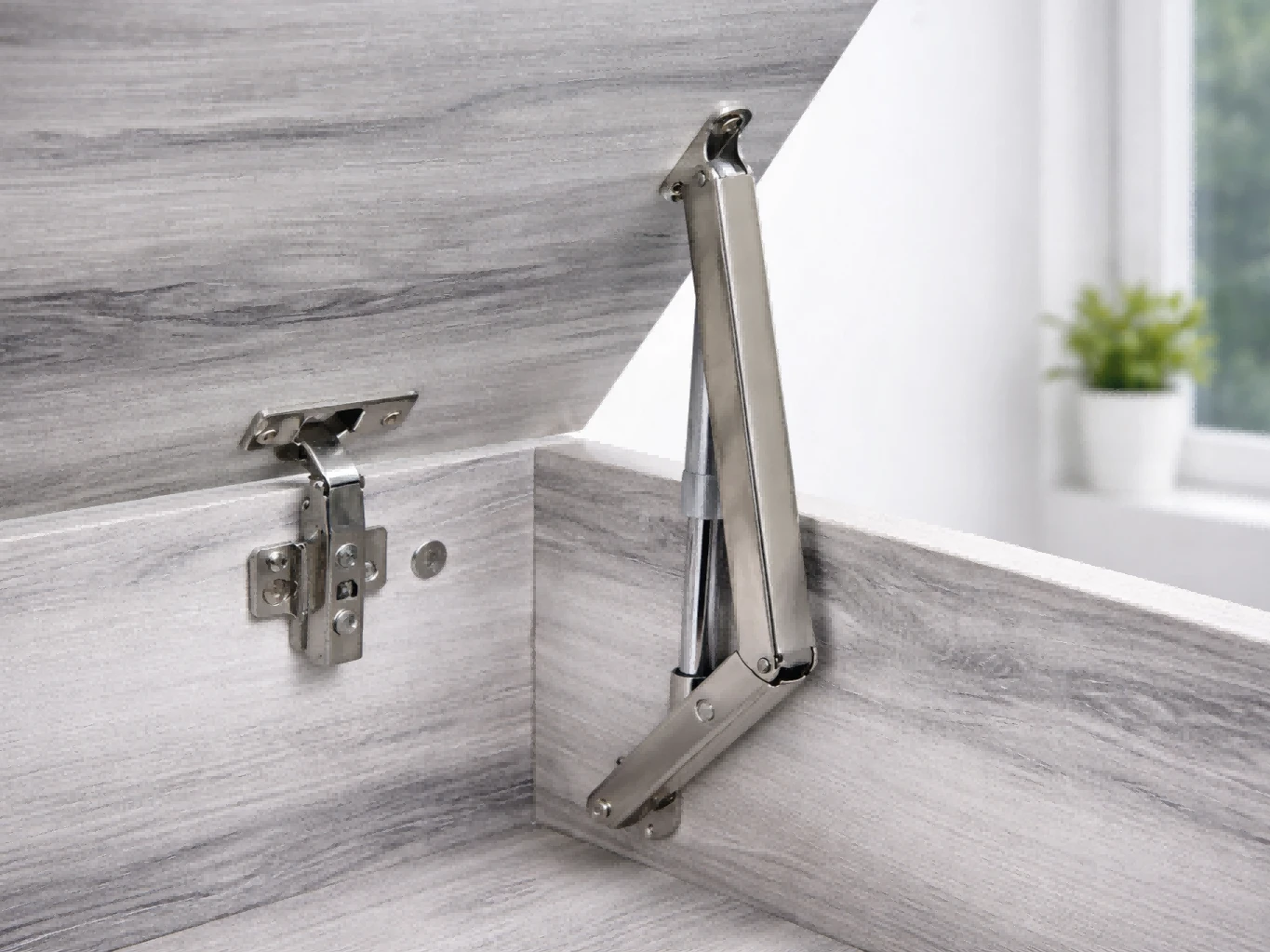
Soft Close Lids
For lids and covers that need gentle, controlled closing instead of hard impact.

Cabinets & Storage Doors
For cabinet doors and storage systems that require quieter and smoother closing movement.

Toolbox Lids
For truck toolboxes, storage boxes, and service compartments where controlled closing improves safety and user experience.

Equipment Covers
For machine covers and protective housings where slower closing helps reduce shock and repeated impact.

Access Panels
For maintenance and service panels that benefit from controlled motion and lower pinch risk.
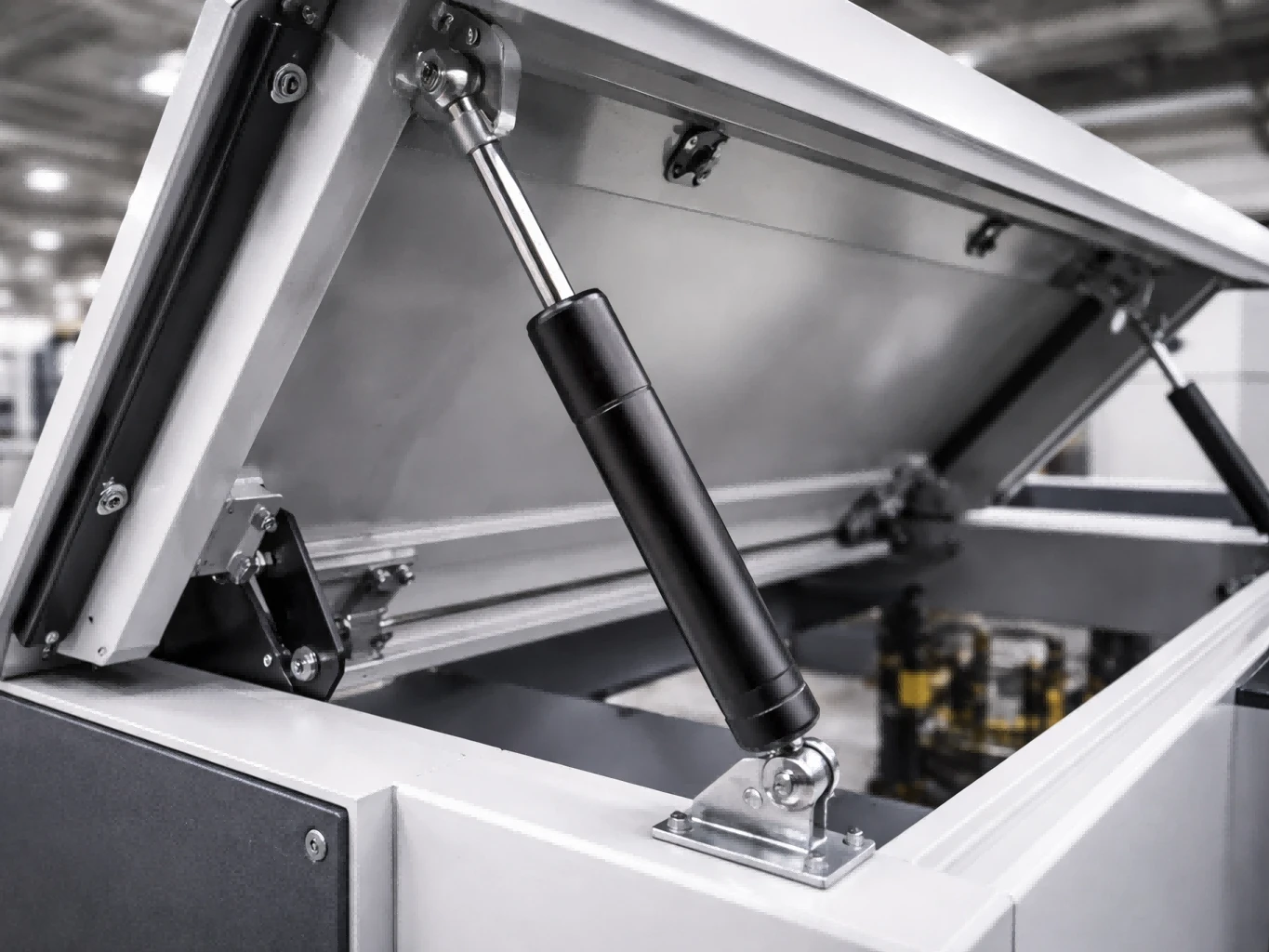
Industrial Motion Control
For applications that require speed regulation, softer stopping, and more stable closing behavior.
Why Use Hydraulic Dampers for Soft Close

Hydraulic dampers help create soft close motion by slowing movement near the end of travel. This reduces hard closing, lowers noise, improves perceived product quality, and helps protect both the structure and the user during operation.
In cabinets, toolbox lids, and equipment covers, controlled damping can reduce repeated impact stress, improve motion comfort, and support safer daily use. This is especially helpful in applications where uncontrolled closing may cause noise, wear, product damage, or finger pinch risk.
For many access systems, a properly matched hydraulic damper helps create a smoother and more predictable closing experience compared with free or uncontrolled movement.
Soft close effect
Reduced slam
Lower noise
Finger protection support
Improved motion quality
Reduced structural impact
Components
Visco-Elastic Springs
Engineered for superior performance, Viscoelastic springs integrate both spring energy storage and energy dissipation. They provide optimized motion control and robust vibration suppression for demanding applications.
Rotary Spring
Rotary springs are engineered to exert or resist twisting force (torque), providing precise angular movement, controlled rotational resistance, and reliable return functionality across diverse industrial applications.
Furniture Dampers / Soft Close
Delivering silent and controlled closure, Furniture dampers effectively integrate cushioning and smooth deceleration. They enhance user experience and extend the lifespan of various furniture and drawer components.
Hydraulic Damper / Dashpots
Hydraulic dampers control motion and absorb kinetic energy through fluid resistance. Essential for industrial machinery, vehicles, and critical infrastructure, they ensure smooth operation and extended component lifespan.
Product Features
These features make hydraulic dampers suitable for applications that require more controlled, quieter, and safer movement

- Designed for controlled motion and soft close performance
- Helps reduce slam and hard stopping
- Suitable for lids, doors, panels, and covers
- Supports quieter and smoother closing
- Available in different damping levels and stroke options
- Standard and custom solutions available
Certifications

Package & Delivery
Package: Standard export package or Custom
Delivery: By air express, by sea

FAQ
As one of the most experienced hydraulic dampers manufacturers and suppliers in China, we also support customized service. Please feel free to buy cheap hydraulic dampers in stock here from our factory. Welcome to view our website for more information.
gas lift supports soft close, Door Dampers Motion and Speed Control, block lift door strutsPopular Products