When designing a yacht, fishing boat, or patrol vessel, one of the most overlooked components in the engine compartment is the gas spring. Yet these small devices-engine hatch gas struts and marine engine cover gas shocks-play a critical role in operator safety and daily maintenance convenience. The right engine compartment gas lift supports not only make the heavy hatch effortless to open and hold, but also prevent dangerous accidental closures.
This guide explains how to specify and size engine room lift gas springs, select corrosion-resistant materials, and choose professional marine-grade components that last in extreme environments-backed by the experience of Land Gas Springs, a specialist in OEM marine motion-control solutions.
Image suggestion: Yacht engine room hatch lifted open by a pair of stainless marine gas springs, with arrows indicating key measurements.
1. Why Engine Compartment Gas Springs Matter
In a marine engine compartment, the hatch protects the engine, generator, and electrical systems. It's heavy, often exposed to heat, humidity, and salt spray. A failure here can cause severe injuries or equipment damage.
Properly selected boat engine compartment gas props or engine room lift gas springs ensure:
- Smooth, damped opening and closing of the hatch
- Stable holding at full open position even in rough seas
- Long-term corrosion resistance under saltwater exposure
- Compact installation with minimal maintenance
Without reliable marine engine cover gas shocks, operators are forced to hold the hatch manually-unsafe, inefficient, and non-compliant with most OEM standards.
2. Technical Considerations for Sizing
2.1 Measuring Hatch Geometry
The starting point for correct sizing of engine compartment compression gas springs is geometry. Measure:
- A: Distance between hinge and mounting point on the hatch
- B: Mounting point on the engine compartment frame
- C: Hatch weight at handle position
- D: Desired opening angle (usually 70–90°)
Land Gas Springs can calculate the ideal spring force and provide 2D/3D drawings of pneumatic struts for engine compartments to match your design.
2.2 Calculating Force
Typical design loads range from 300 N to 1200 N per strut depending on hatch weight. Heavy generator covers may need heavy duty engine hatch gas struts or twin installations.
We also offer adjustable nitrogen gas springs for engine hatches that can be fine-tuned on-site during sea trials.
Image suggestion: Diagram showing force vectors and lever arms for hatch geometry.
3. Material and Corrosion Resistance
3.1 Stainless vs. Nitrided Steel
Marine applications demand superior corrosion protection. Land recommends:
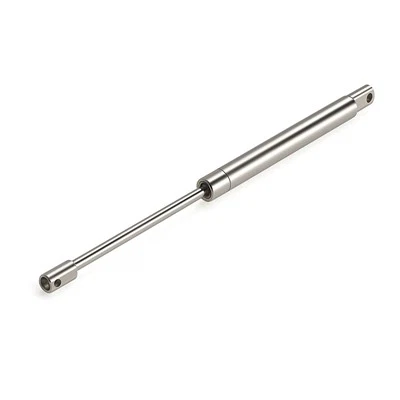
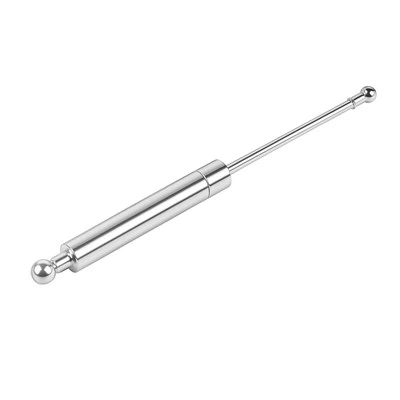
- Stainless marine gas springs (AISI 316) for yachts and saltwater boats
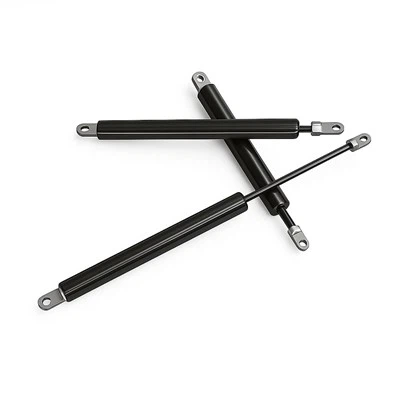
- Black nitrided marine gas struts for cost-effective corrosion protection in semi-enclosed engine rooms
All Land corrosion-resistant engine hatch gas springs undergo 350-hour ASTM-B117 salt-spray testing and are built with marine-grade seals, stainless fittings, and oil resistant to high temperatures.
3.2 Hydraulic Damping and Temperature Stability
In confined engine compartments, temperatures may exceed 60 °C. Our hydraulic dampers for engine hatches and engine compartment gas lift supports are filled with high-temperature stable fluid to maintain consistent damping and pressure even under thermal expansion.
4. Safety and Ergonomic Features
A well-engineered yacht engine hatch gas strut improves both safety and serviceability:
- Controlled speed: Integrated damping avoids sudden hatch opening.
- Stay supports for engine hatches: Optional mechanical stay keeps the hatch locked open during inspection.
- Block-lift hatch gas struts: Allow intermediate holding positions for partially open access.
- Dual-stage lift system: For very heavy lids or generator compartments, combining a nitrogen gas spring with a hydraulic damper delivers both strength and softness.
Land Gas Springs designs every engine hatch gas strut with operator ergonomics in mind-smooth movement, zero noise, and predictable response even after years of use.
Image suggestion: Comparison photo showing standard mild-steel strut corrosion vs. stainless 316 marine strut after salt-spray testing.
5. Application Examples
5.1 Yachts and Cruisers
Luxury yachts typically use polished stainless marine gas springs to match other deck hardware. Common applications include:
- Engine room access panels
- Generator and bilge hatches
- Hydraulic tender garages
5.2 RIBs and Patrol Boats
Workboats and RIBs require compact, heavy duty engine hatch gas struts that can withstand vibration and impact. Land provides black nitrided marine gas struts with reinforced end fittings ideal for these conditions.
5.3 Fishing and Commercial Vessels
In harsh daily use, corrosion and fatigue resistance are essential. Corrosion-resistant engine hatch gas springs with stainless steel shafts and sealed ends ensure long service life and minimal downtime.
6. Why Marine OEMs Choose Land Gas Springs
Land Gas Springs has over 20 years of experience in engineering motion-control products for marine, automotive, and industrial applications.
For boat builders and OEMs, we provide:
- Customized engine hatch gas struts with precise force, length, and damping curves
- 316 stainless or nitrided steel options for every marine environment
- Full CAD support and engineering collaboration during hatch design
- IATF 16949 & ISO 9001:2015 certified manufacturing and 100,000-cycle tested reliability
Example product link ideas:
- Marine Engine Compartment Gas Springs – Land Gas Springs
- Stainless 316 Engine Hatch Gas Struts – Land Gas Springs
Image suggestion: Factory photo of Land Gas Springs production line and corrosion test chamber.
Whether you build yachts, commercial fishing vessels, or RIB patrol boats, the right engine compartment hatch gas springs make every maintenance task safer, smoother, and more professional.
Contact us (info@lgassprings.com) to:
- Get a detailed marine engine hatch gas spring catalog
- Receive professional 2D/3D design drawings for your engine-room hatch system
- Enjoy more competitive pricing for volume supply or long-term OEM projects