1. Why Monitor Arm Gas Springs Matter
They make it easier to move the screen up and down
They help the monitor stay at the set height without sagging
They improve the user experience in office, gaming, and trading setups
They reduce neck and back strain caused by poor monitor positioning
They make fixed, bulky monitor stands more flexible
They improve desk organization and overall appearance
2. What a Monitor Arm Gas Spring Is
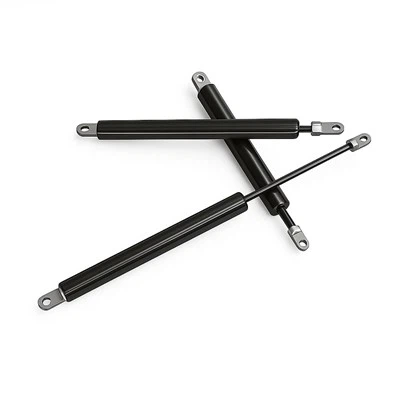
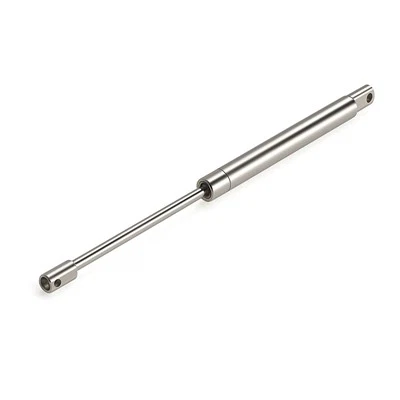
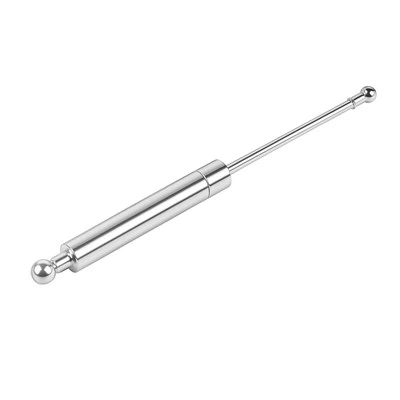
It is essentially a small support unit filled with nitrogen gas
Its main function is to balance the weight of the monitor
It allows the arm to move up and down more smoothly
It helps the arm stay in the desired position without drifting
It usually does not require much force during adjustment
Common options include standard compression gas springs, non-locking types, and black nitrided surface finishes
It can be used for supporting everything from small monitors to larger and ultrawide displays
3. Key Buying Factors for Different Use Scenarios
3.1 Screen Size, Weight, and Load Range
First confirm the actual weight of the monitor
Include cables and accessories when calculating total weight
Check the minimum and maximum weight range supported by the arm
Larger and heavier screens require stronger gas spring support
27–34 inch or curved monitors usually need higher load solutions
Dual-screen setups require gas springs matched to dedicated dual-monitor arms
The right force helps prevent the screen from slowly rising or sagging
3.2 Mounting Interface and Desk Installation Method
Confirm whether the arm supports the standard VESA interface
Common sizes include 75×75 and 100×100
Check whether the desk mount uses a clamp or grommet installation
Clamp mounting is common for home offices and gaming desks
Grommet mounting is more common for trading workstations
Multi-screen beams or heavier structures may require additional support design
The gas spring solution needs to match the arm structure and mounting method
3.3 Motion Performance, Ergonomics, and Feel
The arm should provide enough height adjustment range
Up-and-down movement should be smooth without obvious sticking
Once positioned, the monitor should remain stable without drifting
Tilt, rotation, and side-to-side adjustment should feel natural
Higher-quality solutions usually focus more on consistent motion and control feel
Different arm structures place different demands on the internal gas spring design
Home offices, gaming desks, and trading workstations do not all require the same handling feel
3.4 Appearance, Durability, and Surface Finish
If the structure is exposed or semi-exposed, appearance affects the overall visual style
Black nitrided finishes are more suitable for black gaming monitor arms or premium office arm systems
Standard painted or phosphated finishes are suitable for general home and office environments
High-frequency use requires more attention to fatigue life
Multi-screen trading desks are adjusted more often each day and require higher stability
Poor durability will directly affect the long-term user experience
4. How to Choose for Different Application Scenarios
4.1 Home Office: Focus on Comfort and Quiet Operation
Usually based on a single monitor setup
More attention is given to quiet and smooth movement
A simple arm structure with low space usage is preferred
Medium load-range solutions are usually suitable
The main goal is to make 21–27 inch monitors easier to adjust
Comfort and daily convenience are the main priorities
4.2 Gaming Desk: Focus on Range of Motion and Higher Load Capacity
Curved screens and ultrawide monitors are common
Dual-screen and triple-screen setups are also common
Viewing angle is often adjusted frequently during long sessions
Higher support force and better stability are required
Black appearance is usually more popular
Higher-load solutions suited for frequent adjustment are usually preferred
The solution needs to balance visual style and actual support performance
4.3 Multi-Screen Trading Workstation: Focus on Reliability and Precision
One user often works with multiple monitors
Daily adjustments are frequent and usually small
There is very little tolerance for monitor sagging
Long-term stability and durability are more important
Multiple gas springs often need to work together
Engineering data such as force, stroke, and life cycle information is more important
A modular and standardized design approach is usually more suitable
5. Why Choose Land Gas Springs for Monitor Arm Projects
A full range of monitor arm gas spring solutions is available
Suitable for single-screen, dual-screen, and ultrawide monitor applications
Force and stroke can be matched to different arm structures
2D / 3D drawings and test data can be provided
Different surface finish options, including black nitriding, are available
OEM / ODM support can be provided according to brand needs
Suitable for both standard projects and custom development
Better suited for customers who need long-term stable supply and engineering support
6. Conclusion
A monitor arm gas spring may look like just an internal part
In practice, it directly affects lifting smoothness and positioning stability
Different applications have different requirements for load, mounting method, and motion feel
Home offices focus more on comfort
Gaming desks focus more on higher load capacity and matching appearance
Multi-screen trading workstations focus more on reliability and precision
Selection should consider weight, structure, mounting method, appearance, and service life together
The right solution can clearly improve the quality feel and user experience of the entire monitor arm system