In modern hospitals and clinics, medical lighting is expected to be bright, precise, and easy to position with one hand. Surgeons, nurses, and dentists move lamps constantly-over the operating field, above a patient chair, or around an examination room. If the arm drifts, sags, or is hard to move, it slows procedures and creates safety risks.
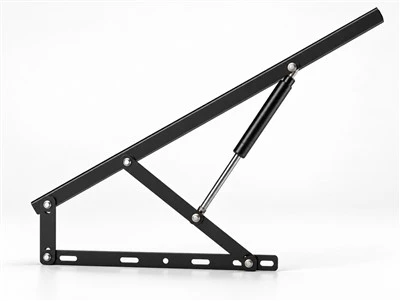
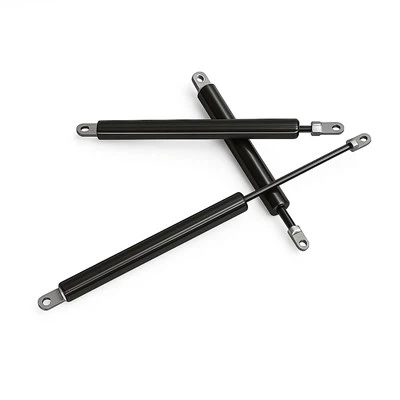
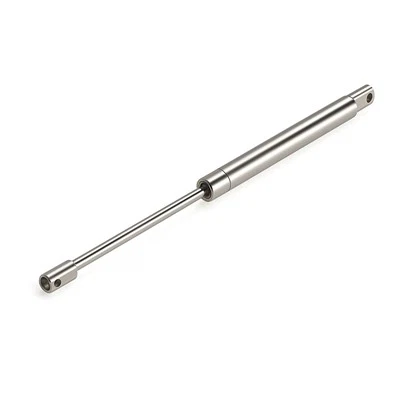
Behind the smooth motion of these devices are medical lamp gas springs and medical light stand gas struts, along with pneumatic struts for medical light arms and hydraulic struts for medical lighting arms. For medical lighting OEMs, choosing the right medical device positioning gas springs is a technical job involving torque, weight, ergonomics, and hygiene-friendly design.
Image idea: A surgical light arm with highlighted positions where gas springs and dampers are installed in the joints and vertical column.
1. Where Gas Springs Work in Medical Lamps and Light Stands
Medical lighting systems use multiple axes of movement, and each may require its own gas spring or damper solution:
1.1 Ceiling-Mounted and Wall-Mounted Surgical Lights
- Multi-joint arms that swing, rotate, and pivot
- Overhead heads with integrated electronics and lenses
- Require gas rams for ceiling-mounted lights and pneumatic struts for medical light arms to balance weight and provide smooth motion
Here, adjustable force gas shocks for medical lamps and heavy duty medical equipment gas springs ensure stable positioning without drift while the surgeon adjusts the field during procedures.
1.2 Mobile Light Trolleys and Floor Stands
Mobile exam lights and surgical backup lights use vertical columns and arms for:
- Height adjustment of the lamp head
- Angle changes at one or two pivot points
These often rely on:
- Adjustable height light stand gas struts
- Gas pistons for mobile light trolleys
- Non-locking gas springs for light stands for quick, simple movement
1.3 Dental, ENT, and Examination Lights
Smaller, precise light heads mounted on articulated arms use compact:
- Medical lamp gas springs
- Tension compression gas springs for lamp positioning
- Stay supports for medical lamps for defined intermediate positions
Image idea: Three images: ceiling surgical light, mobile floor stand, and a dental/exam light arm, each with overlay arrows showing gas spring locations.
2. Technical Sizing and Positioning Torque
For medical lighting OEMs, the key performance requirement is stable, drift-free positioning with minimal operating effort.
2.1 Calculating Torque and Counterbalancing
To size medical light stand gas struts and gas lift supports for surgical lights, you need:
- Mass of the lamp head and arm segments
- Distance from pivot to the center of gravity
- Required range of motion (e.g., –30° to +90°)
- Target hand force for adjustment
Using this data, the required torque at each joint can be calculated. From there, Land Gas Springs selects the appropriate:
- Force and stroke for medical device positioning gas springs
- Geometry and mounting points for pneumatic struts for medical light arms
Correct sizing ensures the lamp stays where it's put, without creeping downward or springing upward when released.
2.2 Adjustable Force Gas Springs for Prototyping
Because actual lamp heads, cables, and accessories can vary in weight, OEMs often choose:
- Adjustable force gas shocks for medical lamps
- Adjustable height light stand gas struts
These allow force fine-tuning during prototype and pre-series builds by carefully reducing internal pressure until the desired balance and hand-feel are achieved.
Image idea: Simple torque diagram showing an arm, pivot, distance to center of gravity, and gas spring acting as a counterbalance.
3. Motion Quality: Smooth, Controlled, and Safe
Beyond holding position, medical lamps must move smoothly and stop gently. This is where damping and motion control come in.
3.1 Soft-Close and Slow-Down Functions
Adding damping to medical lamp gas springs and hydraulic cylinders for light stands provides:
- Controlled acceleration and deceleration of the light head
- Prevention of hard impacts at end positions
- Reduced vibration in camera-equipped or sensitive optical systems
Soft-close dampers for medical lighting and slow-down gas lift supports make the lamp feel premium and protect internal components from shock.
3.2 Non-Locking vs. Block-Lift Function
Most lamp arms use non-locking gas springs for light stands, which hold position through balanced torque without manual locking. For certain vertical movements or stepwise positioning, you can combine:
- Block-lift gas springs for lamp stands (multi-position stays or mechanical detents)
- With medical device positioning gas springs that provide the lifting force
This combination is especially useful in mobile light trolleys and multi-purpose exam units.
Image idea: Sequence of images showing a light head being moved up/down smoothly with no bounce or overshoot.
4. Hygiene, Design, and Surface Requirements
Medical lighting is used in sterile or semi-sterile environments. Gas springs and struts must match strict hygiene standards.
4.1 Smooth, Cleanable Surfaces
Black nitrided gas struts for medical equipment and specially coated cylinders should offer:
- Smooth, low-porosity surfaces that are easy to wipe and disinfect
- Minimal recesses, grooves, or dirt-trap geometries
- Resistance to hospital-level cleaning agents
Land Gas Springs designs medical lamp gas springs and hydraulic struts for medical lighting arms with clean contours and sealed ends, helping you build lighting systems that are both functional and hygienic.
4.2 Corrosion and Chemical Resistance
Even in indoor environments, exposure to disinfectants and moisture can attack coatings. That's why heavy duty medical equipment gas springs and gas rams for ceiling-mounted lights should use:
- Corrosion-resistant coatings or stainless components
- Seals compatible with alcohol-based and chlorine-based cleaners
- Robust internal design to withstand long-term use in ORs and treatment rooms
Image idea: Close-up photo of a black nitrided gas strut integrated into a white-painted light stand, with cleaning wipe in hand.
5. How Land Gas Springs Supports Medical Lighting OEMs
Land Gas Springs works with medical lighting manufacturers, arm system OEMs, and medical device integrators worldwide to develop tailored motion-control solutions. We provide:
- Custom medical lamp gas springs, medical light stand gas struts, and pneumatic struts for medical light arms matched to your lamp head weight and arm geometry
- Adjustable force gas shocks for medical lamps, nitrogen gas springs for examination lights, and heavy duty medical equipment gas springs for complex multi-arm systems
- Clean, hygienic surface solutions including black nitrided gas struts for medical equipment and corrosion-resistant coated cylinders
- Damping and motion control via soft-close dampers for medical lighting, hydraulic cylinders for light stands, and hydraulic struts for medical lighting arms tailored to your required speed and feel
Example product link ideas for your website:
- Medical Lamps & Light Stand Gas Springs – Land Gas Springs
- Positioning Gas Springs and Dampers for Surgical and Examination Lights – Land Gas Springs
Whether you design ceiling-mounted surgical lights, mobile exam lights, or specialized dental and ENT lighting, the right gas spring system will deliver precise, effortless positioning and a high-quality user experience.
Contact us (info@lgassprings.com) – Land Gas Springs can help you:
- Get a detailed gas spring catalog for medical lamps, light stands, and other medical equipment
- Receive professional 2D/3D design drawings based on your arm geometry, lamp head weight, and required positioning torque
- Obtain more competitive pricing for volume medical lighting projects and long-term OEM cooperation