1. Why Murphy Beds Depend on the Right Gas Springs
Murphy beds (wall beds) are a clever answer to small apartments, guest rooms, studios, and multi-use spaces. The entire bed folds vertically or horizontally into a cabinet, turning a sleeping area into a clean, open room in seconds.
But if the motion is not properly engineered, serious problems appear:
- The bed feels too heavy to lift, even for two adults.
- The frame drops too quickly when being lowered, creating a safety hazard.
- The bed refuses to stay in the upright position or bounces when stored.
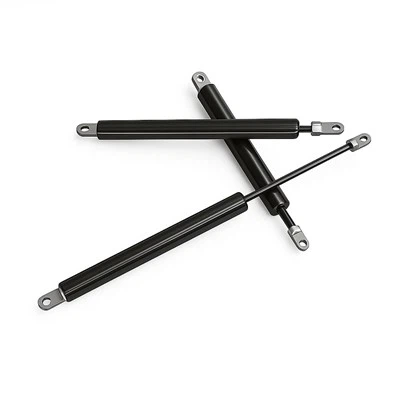
This is why well-designed murphy bed gas struts and wall bed lift gas springs are essential. Correctly specified gas lift supports for murphy bed frames and lift assist gas springs for folding bed mechanisms make the system feel almost weightless, safe, and reliable across thousands of cycles.
Suggested image: Vertical wall bed, shown halfway open, with gas springs highlighted on each side of the frame.
2. How Gas Springs Work in Wall Bed Mechanisms
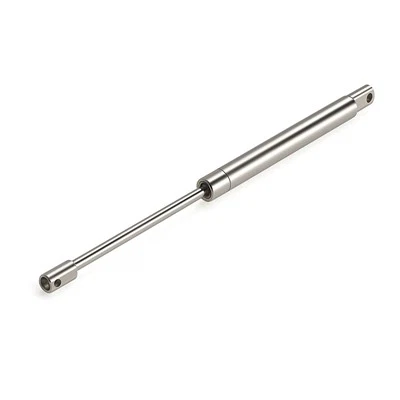
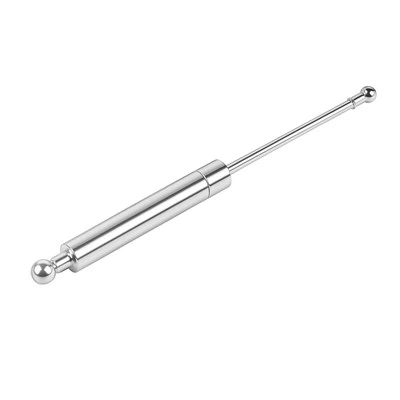
Most modern Murphy beds use nitrogen gas springs for wall beds combined with hinges and counterbalance hardware. Inside each cylinder, compressed nitrogen and a small amount of oil provide controlled lifting force and damping.
Common terms you will see in catalogs include:
- Murphy bed gas struts – general name for the gas spring units.
- Wall bed lift gas springs and pneumatic struts for wall bed – emphasize the vertical lift function.
- Folding bed gas shocks and vertical bed gas props – often used interchangeably in DIY and hardware markets.
- Bed lift gas cylinders, gas pistons for murphy bed frame, and gas rams for vertical bed – different ways to describe the same core component.
From an engineering standpoint, these are compression gas springs for folding bed applications, designed to support the weight of the frame and mattress through the full motion from vertical to horizontal.
To improve control and comfort, some systems also integrate:
- Hydraulic dampers for murphy bed – to slow the last part of the movement.
- Stay supports for wall bed – to hold the bed in fully upright or partially open positions.
Suggested image: Cross-section illustration of a gas spring showing gas chamber, piston rod, and oil used for damping.
3. Force Calculation: Matching Gas Springs to Bed Weight
Good Murphy bed design always starts with correct force calculation. Undersized gas springs make the bed heavy and unsafe; oversized springs can make it difficult to pull the bed down.
3.1 Collect the Basic Parameters
You will need:
- Total weight of the moving assembly: mattress + frame + slats + decorative panels.
- Distance from the hinge line to the center of gravity of the bed assembly.
- Whether the bed is a vertical wall bed or a horizontal folding bed (the torque and geometry differ).
These values define the torque that the wall bed lift gas springs must counteract.
3.2 Convert Torque to Gas Spring Force
Once torque is known (weight × distance), the required force for each gas spring can be estimated based on:
- The mounting angle of the murphy bed gas struts relative to the bed frame.
- The distance from the hinge to the gas spring attachment points.
- The number of gas springs (usually two, one on each side, but some heavy systems use four).
Because mattresses and frame materials vary, OEMs often prototype using an adjustable force bed gas spring:
- Start with a higher gas filling.
- Gradually release gas while testing, until the Murphy bed lifts smoothly, stays in position when needed, and can be lowered with controlled effort.
This approach allows fine tuning without ordering many different fixed-force samples.
Suggested image: Side-view technical sketch of a vertical Murphy bed, showing hinge location, center of gravity, gas spring position, and key dimensions.
4. Hinge Geometry and Motion Tuning
Force alone is not enough; hinge geometry and mounting location are just as important for safe, smooth operation.
4.1 Hinge and Pivot Layout
The relationship between the hinge and the gas spring attachment points determines:
- How much assistance you get at the beginning of the lift (when the bed is nearly vertical).
- How the feel changes as the bed approaches horizontal.
- Whether non-locking murphy bed gas springs can naturally hold the bed near the upright position.
By carefully choosing bracket positions for gas pistons for murphy bed frame, you can create a motion curve where:
- The bed is stable and balanced in the vertical stored position.
- The user can pull the bed down smoothly with modest effort.
- The frame does not accelerate uncontrollably near the end of the stroke.
4.2 Non-Locking vs. Block-Lift Designs
Most systems use non-locking murphy bed gas springs, relying on geometry and friction to hold positions. In special cases, block-lift murphy bed struts or external stay supports for wall bed may be added:
- To create defined "stop" positions.
- To add an extra safety layer in commercial or hospitality environments.
Suggested image: Three-position diagram (stored, mid, fully open) showing gas spring angles and reaction forces at each position.
5. Safety and Damping for Real-World Use
Murphy beds are used by families, guests, and sometimes elderly users. Safety and comfort must be part of the design from day one.
Key aspects include:
- Hydraulic dampers for murphy bed or internally damped folding bed gas shocks to prevent the bed from slamming down when released.
- Adequate lift assist gas springs for folding bed action so users are not required to lift most of the weight themselves.
- Correctly sized heavy duty murphy bed gas springs for larger mattresses (queen, king, or beds with heavy headboards), ensuring the gas springs are not overstressed.
When the system is properly tuned, users experience:
- Controlled, predictable motion from vertical to horizontal.
- A "balanced" feeling where the bed is neither too heavy nor too eager to move.
- Secure storage in the upright position without sudden drop.
Suggested image: Comparison graphic showing "unsafe" vs. "well-balanced" motion curves for a wall bed.
6. How Land Gas Springs Supports Murphy Bed OEMs and Kit Suppliers
Land Gas Springs works closely with wall bed system manufacturers, hardware brands, and kit suppliers to develop reliable murphy bed gas struts and matching mounting solutions. Our capabilities include:
- Engineering support for force calculation, hinge geometry optimization, and mounting position selection for wall bed lift gas springs.
- Customized compression gas springs for folding bed applications, including pneumatic struts for wall bed, bed lift gas cylinders, and gas rams for vertical bed with forces and strokes tailored to your specific design.
- Prototype-friendly adjustable force bed gas spring options, allowing rapid tuning of performance during development.
- Robust designs for heavy duty murphy bed gas springs, suitable for large mattresses and high-use environments.
- Consistent quality nitrogen gas springs for wall beds designed for long cycle life and stable force over time.
On your SEO website, this article can naturally link to internal product pages such as:
- Murphy Bed Gas Springs – Land Gas Springs
- Wall Bed Lift Gas Struts and Hardware – Land Gas Springs
Suggested image: Application collage showing vertical and horizontal Murphy beds, with gas springs highlighted and branded as Land Gas Springs solutions.
7. Design Safer, Smoother Murphy Beds with Land Gas Springs
Well-engineered gas springs for Murphy beds turn a heavy wall bed mechanism into a safe, smooth, and user-friendly piece of furniture. By combining correct force calculation, smart hinge geometry, and appropriate damping, you can deliver lift-up wall beds that feel effortless and secure for years of daily use.
If you are designing new Murphy bed systems or upgrading existing wall bed hardware, the engineering team at Land Gas Springs can help you define the ideal combination of murphy bed gas struts, wall bed lift gas springs, and hydraulic dampers for murphy bed tailored to your frame, mattress, and target users.
Contact us (info@lgassprings.com) to receive a detailed catalog, request professional design drawings, or obtain preferential pricing.