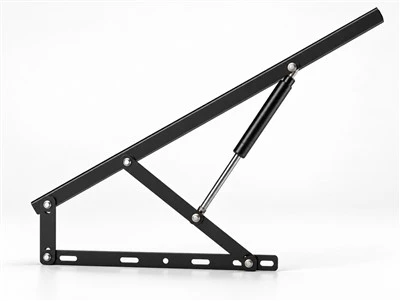
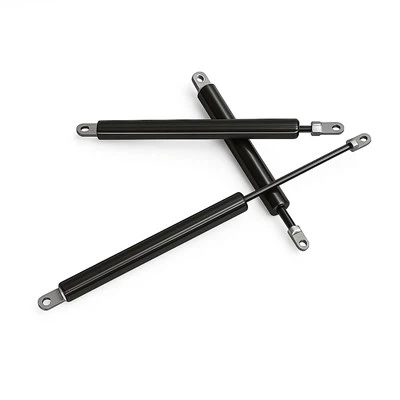
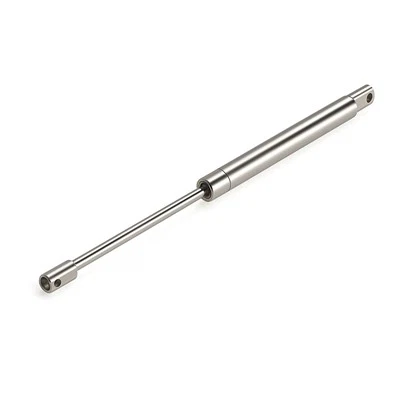
On modern coaches and city buses, luggage bay doors, side service doors, and engine hatches are opened and closed hundreds of times over the life of the vehicle. If they are heavy, slam shut, or refuse to stay open, they become a daily safety risk for drivers, mechanics, and passengers. Well-designed bus door gas struts and industrial vehicle door gas springs turn these doors into smooth, controlled and predictable access points.
This guide explains how to design, choose, and size bus door gas springs for underfloor luggage bays, side service doors, and engine covers, with practical engineering insight from Land Gas Springs.
Image suggestion 1: Side view of a coach with luggage bay door open, showing two gas springs holding the door upwards.
1. Where Bus Door Gas Springs Are Used on Coaches and City Buses
Although many people think of gas springs only for passenger entrances, the same technology is widely used around the vehicle:
- Underfloor luggage bay doors supported by bus door gas props and coach door lift gas springs
- Side service doors and inspection covers using compact bus door gas shocks
- Rear and side engine hatches assisted by compression gas springs for bus doors and gas lift cylinders for bus doors
- Smaller technical access covers with pneumatic struts for bus doors
On city vehicles, city bus door gas lift supports and gas rams for bus entrance doors are used on passenger doors, while similar industrial vehicle door gas springs are specified for maintenance and engine access points.
Image suggestion 2: Collage: luggage bay door, side service door, engine hatch – each with arrows pointing at the gas springs.
2. Safety and Ergonomics Around Luggage Bays and Engine Hatches
2.1 Preventing Sudden Door Drop
Heavy hinged doors can fall unexpectedly due to wind, vibration, or worn hinges. Correctly sized heavy duty bus door gas springs:
- Carry a large percentage of the door weight
- Slow motion during opening and closing
- Reduce the risk of doors crashing down onto people or luggage
For busy coach operators, this means safer loading and unloading at every stop.
2.2 Improving Working Conditions for Drivers and Mechanics
On side service doors and engine hatches, bus door gas struts and stay supports for bus doors:
- Make it easier to lift high-mounted or awkward doors
- Keep engine hatches open while technicians work beneath them
- Reduce fatigue and allow one-handed operation, even in tight depots
In premium applications you may combine bus door gas props with hydraulic dampers for bus doors to achieve slow, soft closing and a "high-quality" feel.
Image suggestion 3: Mechanic working under an open engine hatch supported by two gas springs, with plenty of headroom.
3. Technical Sizing: Length, Stroke, and Force
Correct sizing is essential for reliable performance and long service life.
3.1 Determine Length and Mounting Geometry
For a luggage bay or engine hatch:
1.Fix the door in the fully open position (typically 70–90° from closed).
2.Measure the distance between the proposed mounting points – this gives you the extended length of your gas lift cylinders for bus doors.
3.Close the door and re-measure to estimate the compressed length and resulting stroke.
Make sure that:
- The body of the gas spring will not hit hinges, frame, or bodywork during movement.
- At mid-stroke, the gas spring acts with a favorable angle to support the door efficiently.
3.2 Selecting the Right Force
The required force for compression gas springs for bus doors depends on:
- Door weight (including glazing, insulation, and hardware)
- Distance from hinge to mounting point
- Number of gas springs (usually two per door on wide or heavy lids)
For new vehicle platforms or retrofits, adjustable force bus door gas struts are ideal: engineers can start with a higher pre-charge and then bleed down pressure until doors lift easily but still hold open securely.
Image suggestion 4: Simple diagram of a luggage door showing hinge, gas spring position, door weight, and angle.
4. Motion Control: Pneumatic Assist, Damping, and Special Functions
Different door types call for different levels of control:
- Pneumatic struts for bus doors provide basic lift assistance and smooth movement.
- Hydraulic dampers for bus doors can be added in parallel for extra slow-down at end-stroke, preventing harsh impacts on stops and seals.
- Block-lift bus door struts are used when doors need to stay in intermediate positions (for example, partially open luggage bays in tight spaces).
- Non-locking bus door gas springs are often sufficient for simple lift-and-hold luggage bays, relying on hinges and stays for final retention.
All of these are built on the same core technology of nitrogen gas springs for bus doors, which provide a stable force curve and long cycle life.
5. Materials, Surface Protection, and Environment
Bus and coach doors work in harsh conditions: water spray, road salt, heat from the engine bay, and cleaning chemicals.
For these environments, Land Gas Springs offers:
- Black nitrided bus door gas springs for excellent rod corrosion resistance and a discreet appearance under the vehicle
- Special coatings on cylinders and end fittings for long life on coastal routes or in winter service
- High-temperature capable bus door gas shocks suitable for engine hatch zones
These features are particularly important for long-haul coaches and city buses that operate daily in all weather conditions.
Image suggestion 5: Close-up of a black nitrided gas spring mounted to a stainless bracket under a coach, showing clean, corrosion-resistant finish.
6. Installation and Best Practice for Bus Builders and Fleet Workshops
To ensure reliable performance from your bus door gas struts and coach door lift gas springs:
1.Install rod-down where possible
★ Mount compression gas springs for bus doors so the rod points downward in the closed position, improving lubrication and seal life.
2.Use robust brackets and hinges
★ Luggage bay doors, side service doors, and engine hatches should have reinforced hinge areas and brackets sized for heavy duty bus door gas springs.
3.Avoid side loading
★ Align gas lift cylinders for bus doors so they operate in the same plane as the door's rotation, minimizing bending forces on the rod.
4.Test under real conditions
★ Check door behavior on slopes, in wind, and during vibration.
★ Verify that stay supports for bus doors and stoppers are adequate to prevent over-travel.
5.Plan for service and replacement
★ Ensure clips and fasteners are accessible so workshops can replace industrial vehicle door gas springs quickly during regular maintenance.
7. How Land Gas Springs Supports Bus and Coach Door Projects
Land Gas Springs is a specialized manufacturer of gas springs, gas struts, and dampers for buses, coaches, city vehicles, and industrial machinery. For luggage bays, side service doors, and engine hatches, Land Gas Springs provides:
- A comprehensive range of bus door gas struts, bus door gas shocks, and bus door gas props for different door sizes and weights
- Tailored coach door lift gas springs, heavy duty bus door gas springs, and gas rams for bus entrance doors for bus and coach OEMs
- Options including adjustable force bus door gas struts, non-locking bus door gas springs, and block-lift bus door struts for special functions
- High-performance finishes such as black nitrided bus door gas springs and corrosion-resistant industrial coatings
- Engineering support:
★ Force calculation and technical sizing based on your door geometry
★ 2D/3D drawings for integration into your bus body design
★ Sample support and endurance testing for new platforms
On your SEO website, you can group these into categories such as "Bus Door & Luggage Bay Gas Springs Series" and link this article to those product pages to capture long-tail search traffic.
8. Get Catalogs, Design Drawings, and Project Pricing
If you are developing a new coach platform, redesigning luggage bay doors, upgrading side service doors, or standardizing engine hatch solutions across a fleet, Land Gas Springs can help you move from concept to reliable series production.
Contact us at info@lgassprings.com to obtain a detailed catalog for bus door gas springs, request professional design drawings for your luggage bays, side service doors, and engine hatches, or discuss preferential pricing for your bus and coach projects with Land Gas Springs.