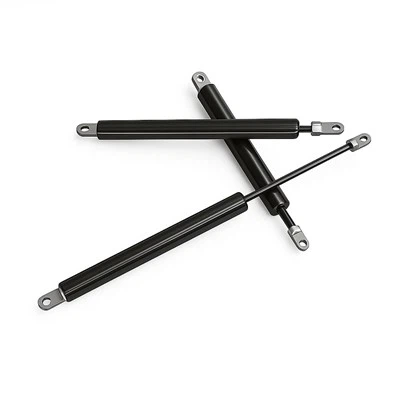
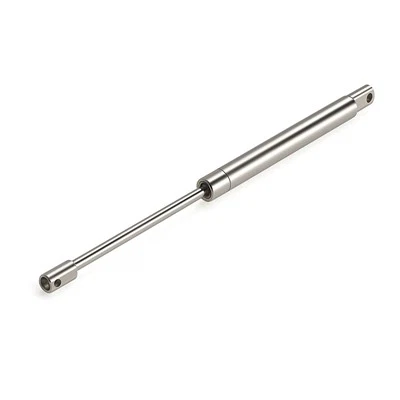
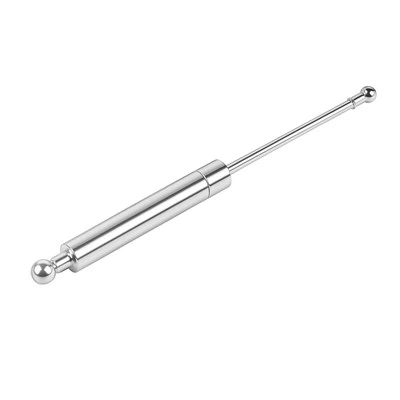
Everyone loves the feeling of a soft-close door: no slamming, no vibration, no waking people up at night. Behind that smooth motion are door dampers motion control components that manage the speed and energy of the door as it closes. For interior doors, wardrobe doors, and modern soft-close furniture, choosing the right door speed control dampers is the key to both comfort and durability.
This guide explains how different soft-close door dampers, hydraulic door dampers, and gas dampers for doors work, and how to apply them in real projects. It also shows how Land Gas Springs can support you as an OEM partner for customized door motion and speed regulators.
1. What Do Door Dampers Actually Do?
A door damper is a small hydraulic or gas device that absorbs kinetic energy and turns a fast-moving door into a controlled, quiet movement. Instead of the door hitting the frame at full speed, door soft-stop dampers slow it down near the end of travel.
Common technical terms include:
- Door dampers motion control / door motion and speed regulators
- Hydraulic door dampers and door hydraulic struts
- Gas dampers for doors, door gas shocks, and door gas struts
- Adjustable door closing dampers and door check dampers
For interior and furniture applications, these components are often compact and hidden, but they dramatically improve user experience and protect hinges, frames, and panels from impact damage.
Image suggestion: cross-section diagram of a cabinet door, hinge, and a soft-close door damper showing the damping zone at the last 10–20° of closing.
2. Main Types of Door Dampers for Interior and Furniture Use
Different applications call for different damper technologies. The most common are:
2.1 Hydraulic Door Dampers
Hydraulic door dampers use oil flow through a small orifice to slow the door. They are widely used as:
- Soft-close door dampers for kitchen cabinets and wardrobe doors
- Adjustable door closing dampers with a screw to fine-tune speed
- Compact door soft-stop dampers for interior rooms or bathroom doors
Hydraulic solutions give very smooth, predictable motion and are ideal where premium feel is important.
2.2 Gas Dampers and Pneumatic Door Dampers
Gas dampers for doors and pneumatic door dampers use compressed gas to provide both damping and sometimes a lifting or supporting force. Typical forms include:
- Door gas props and door lift supports with damper for upward-opening cabinet fronts or overhead storage
- Door gas struts and door hydraulic struts for heavier interior doors or lift-up panels
- Non-locking door gas springs and slow down door gas shocks where you only want speed control, not positive locking
These are especially useful in soft-close furniture applications such as overhead kitchen cabinets, lift-up TV units, or storage benches.
2.3 Block-Lift Door Struts and Stay Supports
For doors that swing upward or need to hold in a specific position, block-lift door struts and door stay supports combine support and motion control:
- Keep the panel open at a defined angle
- Prevent it from falling or slamming shut
- Provide controlled soft closing when released
Image suggestion: comparison graphic of three types: a tiny cabinet soft-close damper, a gas strut with built-in damper for an overhead door, and a block-lift door strut holding a flap open.
3. How to Use Door Dampers in Different Applications
3.1 Interior Swing Doors
For bedroom or office doors inside a house or apartment, users want quiet closing and stable speed without the harsh feeling of traditional door closers. Recommended choices:
- Slim hydraulic door dampers mounted near the hinge side
- Door dampers motion control modules integrated into modern hinge systems
- For heavier doors, door hydraulic struts or heavy duty door dampers to handle the extra mass
By choosing adjustable door closing dampers, installers can fine-tune the closing speed to suit local norms (for example, slower for hotels, slightly faster for offices).
3.2 Wardrobe Doors and Sliding Closets
Wardrobe and closet doors are operated many times a day and are often large and light. The priorities are quietness and impact-free closing. Typical solutions include:
- Small soft-close door dampers fixed to the cabinet frame
- Sliding-door door speed control dampers embedded in the track systems
- Door check dampers that catch the last part of travel and remove impact
These components act as door motion and speed regulators, preventing rattling and prolonging the life of sliding mechanisms.
3.3 Soft-Close Furniture Doors and Lift-Up Flaps
In modern kitchens and living-room furniture, doors more often lift up instead of swinging sideways. Here, gas dampers for doors and door gas props are ideal:
- Door lift supports with damper hold the door or flap open and then close it softly
- Non-locking door gas springs combined with hinges for simple flap doors
- Slow down door gas shocks to add soft-closing to existing upward-opening designs
These gas-based solutions give furniture a higher perceived value while protecting the hinges, screws, and panels from sudden loads.
Image suggestion: 3 photos: interior room door with a hidden damper, wardrobe sliding door with a soft-close mechanism, and a kitchen wall cabinet with door lift supports with damper holding the front open.
4. Basic Design and Installation Tips
To get the best performance from door dampers motion control products, keep these points in mind:
1.Match the damper to door weight and size
★ Use data sheets for door gas struts, door hydraulic struts, and heavy duty door dampers to select correct force and damping level.
2.Check opening angle and travel
★ Ensure the stroke of door gas props or block-lift door struts matches the door's movement, so the damper operates in the correct range.
3.Use adjustable versions when possible
★ Adjustable door closing dampers let you tune the closing speed on-site using a small screw driver. This reduces the risk of returns and complaints.
4.Test for noise and rebound
★ If the door still rebounds from the frame or makes noise, upgrade to stronger door soft-stop dampers or specify heavy duty door dampers.
5. How Land Gas Springs Can Support Your Door Motion Projects
As an OEM manufacturer of gas springs, struts, and dampers, Land Gas Springs provides complete solutions for door dampers motion control in residential, commercial, and furniture applications.
We can supply:
- Custom gas dampers for doors, pneumatic door dampers, and door gas shocks matched to your door weight and hinge layout
- Compact soft-close door dampers and door soft-stop dampers for kitchen and wardrobe programs
- Door gas struts, door lift supports with damper, block-lift door struts, and door stay supports for lift-up or overhead designs
- Tailor-made OEM door motion control damper solutions with your force range, stroke, mounting brackets, and finish
You can describe and link these ranges on your website, for example:
Door Dampers Motion and Speed Control Solutions – Land Gas Springs
Gas and Hydraulic Door Dampers for Interior Doors, Wardrobes, and Furniture – Land Gas Springs
6. Get Catalogs, Drawings, and Preferential OEM Pricing
Whether you are designing a new interior-door system, updating a wardrobe program, or creating premium soft-close furniture, the right combination of door speed control dampers, door gas props, and door hydraulic struts will define the feel of your product line.
Land Gas Springs is ready to help you:
- Contact us to receive a detailed door dampers motion control catalog
- Or contact us for professional design drawings to provide matching damping solutions for your indoor doors, wardrobe doors, and furniture doors
- Or contact us for discounted prices for your OEM door motion control damper project
📧 Contact us: info@lgassprings.com / Or contact us to obtain catalogs, design drawings, or discounted quotes for large-scale projects.