Date: November 20, 2026 | Category: Industry News | Source: Reuters / Japan Automobile Manufacturers Association (JAMA)
Japan's automotive industry is taking a new approach to improving supply chain resilience by promoting greater standardization of materials and components across vehicle manufacturers, initially focusing on steel, resins, and wire harnesses to reduce complexity and improve production efficiency.
On November 19, 2026, the Japan Automobile Manufacturers Association (JAMA) and the Japan Auto Parts Industries Association announced plans to work together on common requirements for selected automotive materials and components.
The initial initiative focuses on three areas: steel, resins, and wire harnesses.
By reducing unnecessary material variations, improving component compatibility, and encouraging production automation, Japanese automotive manufacturers aim to strengthen supply chain efficiency and improve their international competitiveness.
The announcement reflects a broader shift in automotive procurement: manufacturers are increasingly looking beyond individual purchasing costs and focusing on standardization, production flexibility, material availability, and long-term supplier cooperation.
For OEM manufacturers and component suppliers, these developments offer valuable insight into the future direction of automotive sourcing and manufacturing.
1. Japan Identifies Three Priority Areas for Standardization
According to Reuters, the Japanese automotive industry's initial standardization initiative will focus on steel, resins, and wire harnesses.
These areas were selected because of their importance to vehicle manufacturing and the opportunities they offer for improving production efficiency.
Steel: Reducing Unnecessary Material Variations
Different automotive manufacturers may use slightly different material specifications, even when the materials serve similar purposes.
These variations can increase procurement complexity and create additional requirements for material suppliers.
Under the new initiative, Japanese manufacturers plan to consolidate low-volume steel materials and harmonize certain OEM-specific requirements.
The initiative also includes efforts to align technical and quality evaluation standards.
The objective is to reduce unnecessary specification differences while maintaining the performance and quality required for automotive applications.
Resins: Improving Recycled Material Standardization
The second focus area is automotive resins, which are widely used in vehicle interiors, exteriors, and other components.
JAMA plans to promote greater consistency in recycled plastic materials, including common specifications, evaluation methods, and performance requirements.
The initiative also aims to improve domestic recycling and material traceability.
By developing a more coordinated recycled-material supply chain, the industry hopes to reduce dependence on overseas resources while supporting lower-carbon manufacturing.
Wire Harnesses: Simplifying Components and Encouraging Automation
The third area involves automotive wire harnesses.
Wire harnesses connect electrical and electronic systems throughout a vehicle and require numerous different wires, connectors, and configurations.
According to JAMA, its global member companies collectively use approximately 70,000 wire harness-related varieties.
The industry intends to reduce unnecessary variations and harmonize selected requirements.
- Reduce unnecessary component variations.
- Expand the use of aluminum wiring where appropriate.
- Standardize selected technical requirements.
- Promote manufacturing automation.
These measures could help suppliers reduce production complexity and improve manufacturing productivity.
2. Why Is Standardization Becoming More Important?
Automotive manufacturers operate increasingly complex global supply chains.
A single vehicle may contain thousands of individual components sourced from different manufacturers and regions.
When different OEMs maintain unique specifications for similar materials or components, suppliers may need to manage multiple production processes, inspection standards, and inventories.
This creates several challenges.
Higher Procurement Complexity: Suppliers may need to purchase and maintain multiple variations of similar materials, increasing inventory management requirements.
Additional Engineering Work: Different technical specifications can require separate design reviews, testing procedures, and documentation.
Production Inefficiency: Frequent changes between similar but non-identical components may increase production setup time and reduce manufacturing flexibility.
Supply Chain Vulnerability: Highly specialized materials and components can create additional sourcing risks when production is concentrated among a limited number of suppliers.
Standardization can help reduce these problems by establishing common technical foundations across participating manufacturers. However, product-specific performance, safety, and application requirements must still be maintained.
3. Standardization Does Not Mean Compromising Product Quality
JAMA's initiative considers standardization together with technical and quality evaluation.
- For steel, harmonize selected OEM-specific requirements and quality evaluation standards.
- For recycled resins, establish common specifications, evaluation methods, and performance requirements.
- For wire harnesses, examine common standards for selected components and technical requirements.
A standardized specification should make manufacturing and sourcing more efficient without weakening the quality requirements of the final product.
For suppliers, the challenge is to maintain consistent product performance while adapting to more coordinated customer specifications.
4. How Standardization Can Benefit Automotive Component Suppliers
Simplified Material Management
Reducing unnecessary material variations can simplify purchasing, warehousing, and production planning.
Improved Production Flexibility
Common specifications can make it easier to organize production processes and accommodate orders from different customers.
More Efficient Quality Control
Aligned evaluation methods may reduce duplicated inspection and documentation work.
Better Supply Chain Cooperation
Standardization creates opportunities for closer engineering cooperation and earlier involvement in product development.
Greater Opportunities for Automation
Reducing component variations can simplify manufacturing operations and make production automation easier to implement.
5. What This Means for International OEM Suppliers
Japan's initiative provides an important example of how major manufacturing industries are improving supply chain competitiveness through cooperation.
International OEM suppliers should pay attention to several developments:
Consistent Technical Specifications: Clear drawings, material requirements, and inspection criteria help reduce misunderstandings during manufacturing.
Flexible Manufacturing Capabilities: Suppliers need to accommodate customer-specific configurations while maintaining efficient production processes.
Reliable Quality Documentation: Inspection records, material information, and product traceability are increasingly important in international sourcing.
Engineering Collaboration: Suppliers that participate in design reviews, sample development, and technical problem-solving may better support complex OEM projects.
Supply Chain Resilience: Manufacturers should consider material availability, alternative sourcing, and production flexibility when evaluating suppliers.
6. What OEM Purchasing Teams Should Consider When Selecting Component Suppliers
Engineering and Customization Capability
Can the supplier review customer drawings and manufacture components according to specific technical requirements?
Material Management
Can the supplier identify and manage required materials and provide appropriate documentation?
Quality Consistency
Does the supplier have inspection procedures to verify dimensions, force characteristics, and functional performance?
Production Flexibility
Can the supplier support different specifications, sample development, and changes in customer demand?
Delivery and Communication
Can the supplier coordinate production schedules, shipping arrangements, and technical updates reliably?
A supplier combining engineering knowledge, manufacturing experience, and effective quality management can contribute more than simply providing a competitive product price.
7. How LAND Gas Springs Supports OEM Manufacturing Projects
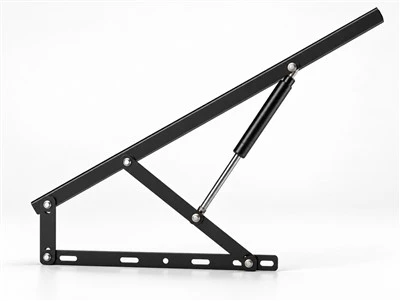
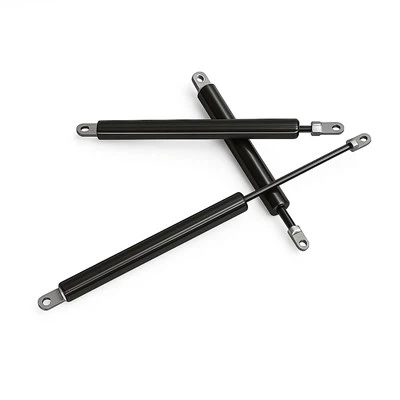
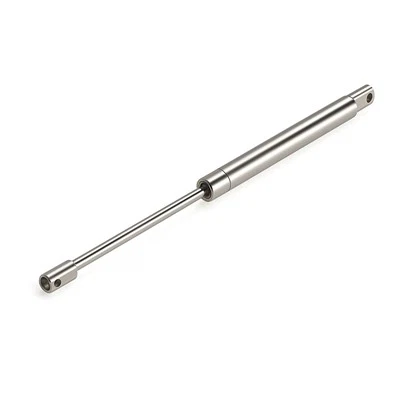
LAND Gas Springs specializes in compression gas springs, locking gas springs, stainless steel gas springs, hydraulic dampers, and related mounting components.
Our OEM/ODM services support customized projects for automotive-related equipment, RVs, marine applications, agricultural machinery, and industrial equipment.
For customer-specific projects, our technical cooperation may include:
- Reviewing customer drawings and application requirements.
- Confirming force, stroke, extended length, and mounting dimensions.
- Selecting suitable materials and end fittings.
- Developing customized samples.
- Performing agreed dimensional and functional inspections.
- Conducting force and leakage testing.
- Providing relevant quality documentation.
- Coordinating production schedules and shipment arrangements.
Although JAMA's initiative does not specifically include gas springs, its emphasis on consistent specifications, quality evaluation, and supplier cooperation reflects important principles across OEM manufacturing.
Explore our Gas Spring Product Range and OEM/ODM Manufacturing Capabilities.
8. Looking Ahead: A More Connected Automotive Supply Chain
Japan's automotive industry is treating standardization as part of a broader effort to strengthen global competitiveness.
The initial focus on steel, resins, and wire harnesses is intended to create a more consistent manufacturing foundation.
JAMA plans to expand cooperation to additional components and involve the automotive parts industry more closely.
For component suppliers, the ability to maintain quality, adapt to evolving specifications, and cooperate with OEM customers will remain increasingly important.
Conclusion: Standardization Is Becoming a Key Part of Automotive Supply Chain Strategy
Japan's latest initiative demonstrates how automotive manufacturers are working together to simplify material and component requirements.
By addressing steel, recycled resins, and wire harnesses, the industry aims to reduce unnecessary complexity, improve production efficiency, and strengthen supply chain resilience.
For OEM manufacturers and component suppliers, standardized specifications, reliable quality control, flexible production, and effective engineering cooperation are important foundations for long-term manufacturing competitiveness.
Looking for a Reliable OEM Gas Spring Manufacturer?
LAND Gas Springs provides customized compression gas springs, locking gas springs, stainless steel gas springs, and hydraulic dampers for industrial and automotive-related applications.
Contact our engineering team to discuss your technical requirements, drawings, sample development, and OEM manufacturing projects.
Website: https://www.land-gassprings.com/
Email: info@land-gassprings.com
Original News and Official References
- Reuters - November 19, 2026 - Japan auto industry targets common standards to strengthen supply chain - Source link
- Japan Automobile Manufacturers Association (JAMA) - November 19, 2026 - Supply Chain Resilience Through Common Standards for Automotive Materials and Components - JAMA reference
- JAMA - November 19, 2026 - Supply Chain Resilience Task Force: Technical Presentation Materials - Technical PDF