On a quiet yacht or a rugged workboat, nothing destroys the feeling of quality faster than a door that slams, rattles, or bounces back in a swell. Heavy cabin doors, wheelhouse doors, side doors, and inspection hatches are opened hundreds of times every season. If they are not properly controlled, they can slam into frames, damage hardware, or-worse-injure crew.
That's why more and more boat builders are integrating marine door dampers and marine soft-close gas dampers into their door and hatch systems. Correctly specified marine door gas springs and marine hydraulic dampers slow, guide, and hold doors in a way that feels premium on yachts and safe and robust on workboats.
Image idea: Side-by-side photos of a yacht cabin door and a commercial wheelhouse door, each equipped with soft-close marine gas dampers.
1. Where Marine Door Dampers Are Used
Around a vessel you'll find many doors and panels that benefit from soft-close motion:
1.1 Cabin and Interior Doors
- Yacht cabins, heads, and corridor doors
- Need quiet marine gas struts soft close to avoid noise in sleeping areas
- Typically use compact marine pneumatic struts or small marine door compression gas springs with damping
1.2 Cockpit, Wheelhouse, and Side Doors
- Cockpit entry doors, wheelhouse doors, and side boarding doors
- Ideal for marine door gas springs and marine soft-close gas dampers that prevent slamming in rough seas
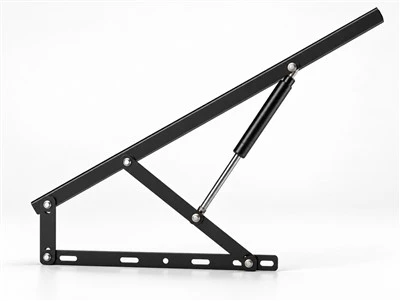
- Often paired with boat door stay supports to hold doors safely open at the dock
1.3 Hatches and Service Openings
- Engine room access, deck inspection hatches, and technical lockers
- Benefit from boat hatch gas dampers, soft-closing hatch dampers, and slow down gas lift supports that control heavy lids or hatches near the end of stroke
Image idea: Simple diagram of a boat showing marked positions for cabin doors, wheelhouse doors, and engine hatches with icons for dampers.
2. Technical Sizing: Getting the Motion and Force Right
For marine OEMs, selecting marine door dampers is not guesswork-it's engineering.
2.1 Key Parameters for Sizing
When specifying marine gas props or marine door compression gas springs, gather:
- Door or hatch weight (including glass, hardware, and seals)
- Hinge position and center of gravity
- Desired opening angle and closing speed
- Available space for mounting marine gas struts soft close
This information allows Land Gas Springs to calculate:
- Required spring force to support and guide the door
- Stroke length and extended/compressed length
- Mounting positions that give the right leverage throughout motion
2.2 Adjustable Force and Tuning
In real life, every door feels a bit different once installed. That's why OEMs often choose adjustable force marine dampers and gas springs:
- Initial units can be charged with higher pressure
- Force can be fine-tuned during sea trials to match the "feel" desired
- Ideal for yacht series where door weight may vary slightly between models
Land Gas Springs supplies non-locking marine gas springs and adjustable force marine dampers that can be tuned on site, especially useful on prototype and custom builds.
Image idea: Technical sketch showing a cabin door, hinge, damper, and key measurements (door weight, arm length, opening angle).
3. Noise Reduction and Comfort On Board
One of the biggest reasons to specify marine soft-close gas dampers is noise. On yachts-especially premium models-every click and slam is noticed by owners and guests.
3.1 Soft-Close and "Slow Down" Functions
Soft-closing systems use integrated damping inside marine hydraulic dampers or slow down gas lift supports to:
- Reduce closing speed in the final degrees of travel
- Prevent hard impact of the door on the frame
- Eliminate rebounding and "bounce-back" when doors are released
This technology is also used on boat hatch gas dampers and soft-closing hatch dampers, ensuring that engine hatches and large lids close in a controlled, safe way.
3.2 Heavy Duty Doors and Workboats
On workboats and commercial vessels, the priority is less about luxury and more about durability and safety:
- Heavy duty marine gas shocks can withstand frequent door cycles and harsh handling
- Dampers protect hinges, latches, and surrounding structures from impact loads
- Combining boat door stay supports with marine door gas springs ensures doors stay open safely during cargo or crew transfer
Image idea: Before/after illustration of a door slamming vs. the same door closing slowly with a soft-close damper installed.
4. Corrosion-Resistance: Materials That Survive the Marine Environment
Marine doors and hatches are constantly exposed to salt spray and humidity. The dampers installed alongside them must last just as long as the hardware and frames.
4.1 Stainless Steel Marine Dampers
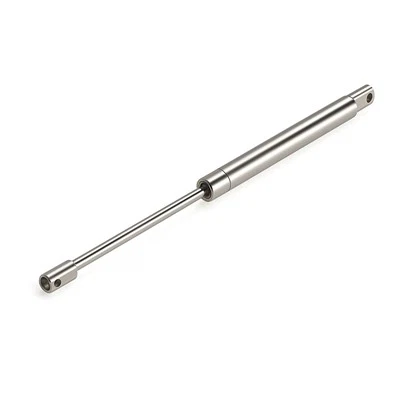
For visible or highly exposed doors, stainless steel marine dampers are the best choice:
- Use stainless tubes, rods, and brackets for superior corrosion resistance
- Match polished stainless hinges and fittings for a seamless look
- Avoid rust streaks on white gelcoat or painted superstructures
Land Gas Springs offers a full range of stainless steel marine dampers and corrosion resistant gas dampers specifically designed for saltwater use.
4.2 Coated and Black Nitrided Options
In less visible locations, or inside protected wheelhouses, coated or nitrided solutions may be suitable:
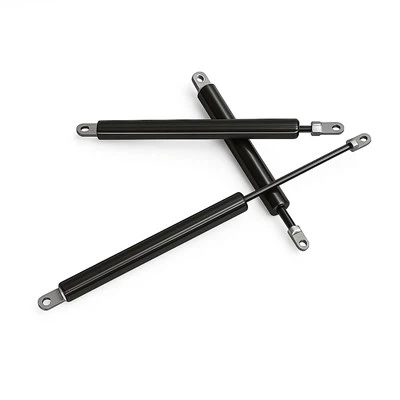
- Black nitrided marine gas springs provide excellent rod corrosion resistance with a discreet dark appearance
- Coated cylinders resist chipping and corrosion while maintaining a clean look
All marine hydraulic dampers and marine pneumatic struts from Land can be tested to salt-spray standards to verify long-term performance in real-world conditions.
Image idea: Close-up photo showing a polished stainless marine damper and a black nitrided marine gas spring on two different doors.
5. How Land Gas Springs Supports Marine OEMs
Land Gas Springs works closely with yacht builders, workboat yards, and marine door/hatch manufacturers to integrate reliable damping systems into their designs. We provide:
- Customized marine door dampers, marine soft-close gas dampers, and marine door gas springs for cabin, cockpit, and wheelhouse doors
- Full material options: stainless steel marine dampers, black nitrided marine gas springs, and other corrosion resistant gas dampers
- Technical support for marine gas props, boat hatch gas dampers, and marine door compression gas springs, including force calculations and mounting recommendations
- Sample programs and testing reports for heavy duty marine gas shocks, ensuring performance over long service life
Example product link ideas for your website:
- Marine Door Dampers & Soft-Close Gas Springs – Land Gas Springs
- Stainless Steel and Black Nitrided Marine Gas Springs – Land Gas Springs
Whether you are designing a quiet luxury yacht or a hard-working patrol boat, properly engineered marine door dampers and soft-close gas dampers will make every door, hatch, and panel feel safer, quieter, and more professional.
Contact us (info@lgassprings.com) – Land Gas Springs can help you:
- Get a detailed marine door and hatch gas damper catalog
- Receive professional design drawings based on your door sizes, hinge geometry, and installation space
- Enjoy more competitive pricing for volume OEM projects and long-term series production