Date: November 16, 2026 | Category: Industry News | Source: LAND Gas Springs | Manufacturing & Supply Chain Insights
Global manufacturing supply chains are placing greater emphasis on supplier development, technical collaboration, and production validation.
On November 16, 2026, Reuters reported that South Korean semiconductor manufacturer SK hynix plans to invest 1.4 trillion won (approximately $1.05 billion) over the next five years to support domestic suppliers of semiconductor materials, components, and manufacturing equipment.
The initiative aims to strengthen the company's supply chain as competition in the artificial intelligence chip market intensifies.
Alongside this investment, SK hynix announced plans for a jointly funded testing facility that will allow smaller suppliers to evaluate their products under conditions similar to commercial semiconductor production lines.
For OEM manufacturers and industrial component suppliers, this development highlights an important trend: supplier relationships are increasingly built around technical capabilities, product validation, and long-term manufacturing cooperation.
1. SK hynix Introduces a Comprehensive Supplier Development Program
According to Reuters, SK hynix's supplier support program covers four important stages:
- Research and development.
- Product testing and validation.
- Mass production.
- Sales and commercialization.
The initiative is designed to help smaller suppliers overcome financial and technological barriers.
Under its research support program, SK hynix plans to provide up to 50% of initial development costs in advance. The company will also compensate suppliers for development work even when projects do not achieve their intended targets.
In addition, SK hynix and financial institutions plan to provide 2 trillion won in financing backed by the Korea Trade Insurance Corporation.
These measures demonstrate how a major manufacturer can support suppliers beyond conventional purchasing relationships.
2. Trinity Fab: A Shared Testing Facility for Suppliers
One of the most notable elements of the announcement is the planned Trinity Fab testing facility.
The facility will be developed through cooperation between SK hynix, the South Korean central government, and local governments.
The total planned investment is 874.6 billion won, and the facility is scheduled to open in May 2027.
It will include a 3,305-square-meter cleanroom and equipment covering processes such as lithography, etching, deposition, and inspection.
Smaller suppliers will be able to evaluate materials and equipment using 12-inch wafers under conditions resembling commercial production environments.
The shared facility is expected to reduce testing expenses and shorten the time required for suppliers to bring products to market.
An independent nonprofit foundation will operate the facility to help protect intellectual property and commercially sensitive information.
For smaller manufacturing companies, access to advanced testing infrastructure can be an important advantage when developing products for demanding industrial customers.
3. Why Supplier Development Is Becoming More Important
Modern manufacturing involves increasingly complex products, tighter technical requirements, and interconnected supply chains.
A component supplier may need to demonstrate not only that a product meets a drawing, but also that its manufacturing process can consistently deliver the required specifications.
This creates several important considerations for OEM purchasing and engineering teams:
Technical Capability
Suppliers need the engineering knowledge and production resources to develop products according to specific application requirements.
Product Validation
Testing before mass production helps identify dimensional, functional, and performance issues at an earlier stage.
Production Consistency
A successful sample is only the beginning. Manufacturers must also demonstrate that subsequent production batches can maintain the approved specifications.
Long-Term Cooperation
Close communication between OEM customers and suppliers can help resolve engineering problems, manage production changes, and reduce unnecessary delays.
Supply Chain Resilience
Developing capable suppliers and maintaining reliable alternative sourcing arrangements can help manufacturers manage unexpected production disruptions.
These considerations are relevant across many manufacturing industries, not only semiconductor production.
4. What This Means for Industrial OEM Component Suppliers
Although SK hynix's initiative is specifically focused on semiconductor materials, parts, and equipment, the underlying supplier-development approach offers useful lessons for other industrial manufacturing sectors.
For companies producing gas springs, hydraulic dampers, mechanical fittings, and customized industrial components, the same general principles apply.
OEM customers increasingly need suppliers who can participate in the product development process rather than simply manufacture items from an existing purchase order.
This may involve:
- Reviewing technical drawings before production.
- Confirming dimensions and material requirements.
- Evaluating samples against agreed specifications.
- Establishing inspection and testing procedures.
- Maintaining consistent production quality.
- Providing clear documentation and technical communication.
For customized mechanical components, early engineering discussions can help identify potential issues before they become expensive production problems.
5. Product Testing and Validation: From Samples to Mass Production
One important lesson from the SK hynix announcement is the emphasis on testing before commercial production.
This principle is also relevant when selecting customized gas springs and hydraulic dampers.
For example, a gas spring project may require several stages of evaluation:
Stage 1: Design Review
The supplier reviews the customer's drawings, application requirements, mounting dimensions, force, and stroke.
Stage 2: Sample Development
Initial samples are manufactured according to the agreed technical specifications.
Stage 3: Functional Testing
The samples are evaluated for relevant characteristics, which may include extension force, dimensions, leakage, and operating performance.
Stage 4: Customer Approval
The OEM customer reviews the samples and confirms whether they meet the project requirements.
Stage 5: Mass Production
Once the specifications and approval criteria are established, production can proceed with appropriate process and quality controls.
The specific tests and acceptance limits should always be agreed upon according to the product design and intended application.
6. Protecting Technical Information During Supplier Collaboration
Another important aspect of SK hynix's testing facility is the protection of intellectual property and commercially sensitive information.
This is particularly relevant when OEM customers share customized drawings, product specifications, and proprietary designs with component manufacturers.
Effective cooperation should include clear agreements concerning:
- Ownership of product drawings.
- Confidentiality of technical specifications.
- Access to sample and testing information.
- Management of engineering changes.
- Protection of customer-specific product designs.
For manufacturers working with multiple international OEM customers, maintaining appropriate information-management procedures is an important part of building long-term business relationships.
7. How LAND Gas Springs Supports OEM Manufacturing Projects
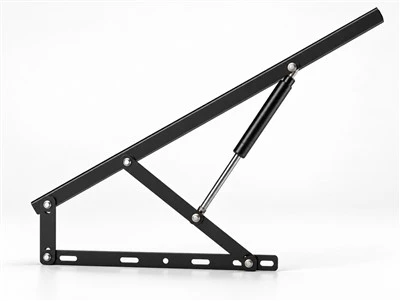
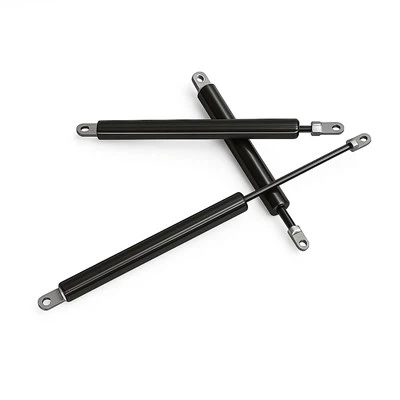
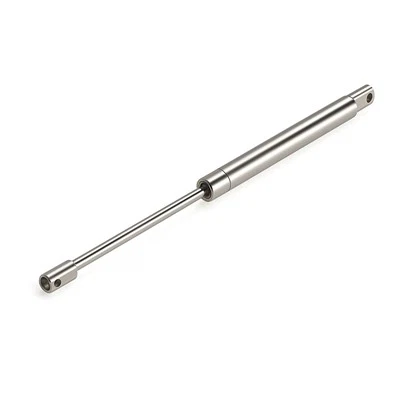
LAND Gas Springs specializes in the manufacture of compression gas springs, locking gas springs, stainless steel gas springs, hydraulic dampers, and related mounting components.
Our OEM/ODM capabilities support customized projects for RV, marine, commercial vehicle, agricultural equipment, and industrial machinery manufacturers.
For customer-specific projects, technical cooperation may include:
- Reviewing application drawings and specifications.
- Confirming force, stroke, and extended length.
- Selecting suitable materials and end fittings.
- Developing and evaluating samples.
- Performing agreed product inspections and testing.
- Coordinating production and shipping documentation.
For manufacturers sourcing customized motion-control components, working with a supplier that understands both engineering requirements and production processes can help make product development more efficient.
Explore our OEM/ODM Manufacturing Capabilities and Gas Spring Product Range.
Conclusion: Strong Manufacturing Depends on Strong Supplier Partnerships
SK hynix's planned investment of approximately $1.05 billion in supplier development demonstrates the growing importance of technical cooperation throughout the manufacturing supply chain.
The combination of research support, shared testing facilities, production assistance, and financial cooperation illustrates how major manufacturers can help suppliers strengthen their capabilities.
For industrial OEM companies, the broader lesson is clear: reliable manufacturing is not determined by purchasing price alone.
Engineering collaboration, product validation, production consistency, and transparent communication all contribute to successful long-term supplier relationships.
As manufacturing requirements continue to evolve, capable component suppliers will remain an important part of the global OEM ecosystem.
Looking for an OEM Gas Spring Manufacturing Partner?
LAND Gas Springs supports customized gas spring and hydraulic damper projects based on customer drawings and technical requirements.
Contact our team to discuss your application, sample requirements, and production plans.
Visit https://www.land-gassprings.com/ or contact info@land-gassprings.com.
Original News Source:
Reuters - November 16, 2026
SK Hynix to spend $1 billion over five years to support chip suppliers
Source link