1. Why Walking and Standing Aids Need Smart Lift Support
In rehab centers, hospitals, and long-term care facilities, walking and standing aids are used many times every day. Therapists and caregivers rely on sit-to-stand trainers, rehabilitation frames, gait training devices, and adjustable walkers to help patients move safely and regain independence.
If these devices are hard to adjust or move abruptly, you get:
- Sudden jerks when raising or lowering frames
- Extra physical strain on therapists
- Patients feeling insecure and afraid of falling
- Unstable or "cheap-feeling" equipment that reduces confidence
This is exactly where walking aids gas springs and standing aids gas struts come in. Properly designed medical mobility gas shocks and rehabilitation gas lift supports make the motion smooth, controlled, and predictable, so both patients and clinicians feel safer and more comfortable.
Suggested image: A sit-to-stand trainer with arrows showing vertical adjustment assisted by gas springs.
2. How Gas Springs Work in Walking & Standing Aids
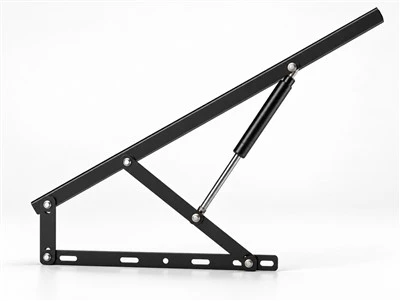
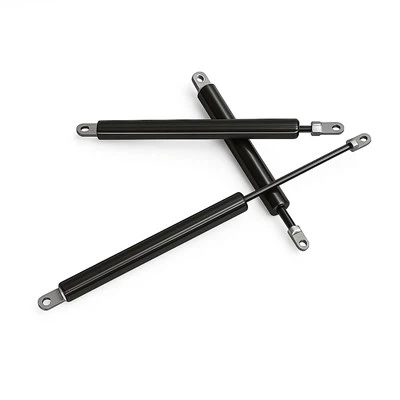
Gas springs and dampers are compact motion-control components that use compressed nitrogen gas and oil to support and control movement. In medical mobility devices, they are used to:
- Assist lifting heavy frames or platforms
- Control the speed of upward and downward movement
- Stabilize positions for therapy and training
- Reduce impact and noise during operation
Typical applications include:
- Walking aids gas springs for adjustable height walker gas springs and forearm supports
- Gas props for patient walkers to support folding or height adjustment
- Pneumatic struts for standing frames helping the caregiver move patients into a supported standing position
- Gas lift cylinders for rehab equipment in sit-to-stand trainers and gait training devices
- Gas pistons for mobility devices such as rollators and mobile rehab frames
- Compression gas springs for walking aids to support upward lifting motion
- Tension gas springs for assistive devices where pulling force is needed rather than pushing
For controlled closing or lowering, hydraulic dampers for standing aids and block-lift medical struts can be added to slow the last part of movement, avoiding sudden drops.
Suggested image: Simple diagram of a standing frame with gas springs highlighted on each side of the vertical support.
3. Key Design Considerations for Gas Springs in Rehab Devices
3.1 Define the Device and Motion Type
Different assistive products require different gas spring behavior:
- Sit-to-stand trainers & standing aids
oUse standing aids gas struts, rehabilitation gas lift supports, and hydraulic dampers for standing aids to help raise and lower the patient support platform smoothly.
- Rehabilitation frames & mobility frames
oOften use non-locking gas springs for mobility frames and stay supports for rehab chairs to help clinicians adjust backrests, arm supports, and chest supports.
- Gait training devices & therapy tables
oMay incorporate gas lift cylinders for rehab equipment, nitrogen gas springs for therapy tables, and heavy duty medical gas struts to support large surfaces with high safe working loads.
Clearly defining whether the motion is vertical lift, tilt, fold, or a combination helps you choose between compression, tension, and block-lift gas spring types.
3.2 Load, Geometry, and Stroke
For each adjustment point, you need to know:
- The weight of the moving part (platform, frame section, table top, etc.)
- The distance from pivot to the center of gravity
- The required stroke (movement distance)
- The available mounting space for the gas spring and brackets
From this, the torque can be calculated and converted into the right force range for compression gas springs for walking aids or tension gas springs for assistive devices. Your gas spring partner can fine-tune the exact force and mounting points based on your CAD data.
Suggested image: Engineering sketch showing a standing frame side view with key dimensions labeled (pivot, center of gravity, gas spring mounting points).
3.3 Adjustability and Tuning
In development, the real feel of the product is critical. That's why many rehab OEMs prefer adjustable force assistive gas springs:
- Start with a higher filling pressure
- Gradually release gas until the motion matches the desired feel
- Lock in that force level as the final specification
This allows one prototype gas spring to be tuned for different patient weight ranges, accessories, or design revisions without re-ordering multiple fixed-force samples.
3.4 Safety, Control, and Redundancy
Because walking and standing aids directly support the patient's body, safety is non-negotiable. You can combine:
- Heavy duty medical gas struts for high-load applications
- Hydraulic dampers for standing aids to limit speed
- Block-lift medical struts for stepwise position control
- Stay supports for rehab chairs to hold backrests or supports in place
Used correctly, this ensures that even if the operator loses grip, the device does not drop suddenly or move unpredictably.
4. Materials, Hygiene, and Durability
Rehabilitation equipment is frequently cleaned and disinfected, and often operates in humid or demanding environments. For this reason, many walking and standing aids use:
- Corrosion-resistant finishes on gas pistons for mobility devices and walking aids gas springs
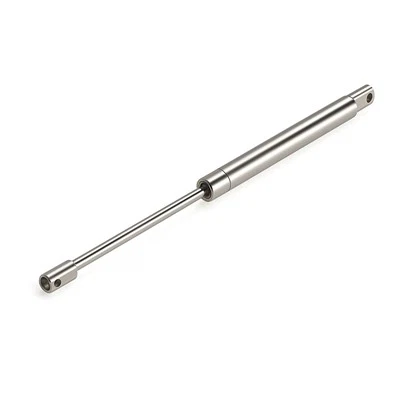
- Stainless steel or specially coated standing aids gas struts for hygiene-critical or intensive-use facilities
- Seals and oils compatible with common hospital disinfectants and temperature ranges
Selecting the right material and finish ensures that the appearance and performance of the gas springs match the overall quality of the medical device throughout its service life.
Suggested image: Product close-up of stainless and coated medical gas springs lined up, with icons showing "corrosion resistant," "medical-grade," and "smooth motion."
5. Working with Land Gas Springs on Walking & Standing Aids
Land Gas Springs partners with medical and rehab equipment manufacturers worldwide to design reliable motion control solutions for walking and standing aids. Our capabilities include:
- Engineering support for force calculation, geometry optimization, and safety margins
- Customized walking aids gas springs, standing aids gas struts, and medical mobility gas shocks matched to your exact device design
- Prototype-friendly adjustable force assistive gas springs for fast tuning during development
- Options in heavy duty medical gas struts and nitrogen gas springs for therapy tables for high-load applications
- 2D/3D CAD drawings, test data, and documentation to support your engineering and quality teams
You can standardize your product range with series such as:
- Walking & Mobility Devices: adjustable height walker gas springs, gas props for patient walkers, gas pistons for mobility devices
- Standing & Rehab Frames: pneumatic struts for standing frames, rehabilitation gas lift supports, hydraulic dampers for standing aids, block-lift medical struts
(These can link to your internal product pages such as "Walking and Standing Aids Gas Springs – Land Gas Springs" and "Rehabilitation & Mobility Gas Struts – Land Gas Springs".)
6. Start Designing Smoother Walking and Standing Aids
Whether you are developing sit-to-stand trainers, rehabilitation frames, gait training devices, therapy tables, or adjustable walkers, the right combination of gas springs, dampers, and mounting geometry will define how safe and premium your equipment feels in the hands of therapists and patients.
Share your basic dimensions, load data, and adjustment concept, and the engineering team at Land Gas Springs can help you quickly configure a solution that balances smooth lift support, safety, and durability.
Contact us (info@lgassprings.com) / or contact us to receive a detailed catalog, request professional design drawings, or obtain preferential pricing.