1. Why Toy Box Lids Need Engineered Motion Control
Toy chests and kids' storage benches look simple, but a heavy wooden lid can be dangerous if it slams shut on small fingers. Parents expect child-safe lid support gas struts that keep the lid from dropping suddenly, while furniture brands want a premium, soft-close feeling rather than a loose, wobbly hinge.
Without properly designed toy chest gas springs and soft-close toy box gas shocks, you see problems like:
- Lids that slam shut, risking finger injuries.
- Lids that won't stay open, forcing adults to hold the lid while accessing toys.
- Motion that feels rough or cheap, hurting the brand's quality perception.
By using the right combination of compression gas springs for toy chest, lid stay gas props for toy box, and matching hinges, you can turn a basic storage box into a safe, user-friendly children's product.
Suggested image: 3D cutaway of a wooden toy box with two gas struts and a stay support installed on the lid.
2. How Gas Struts Work in Toy Box Lids
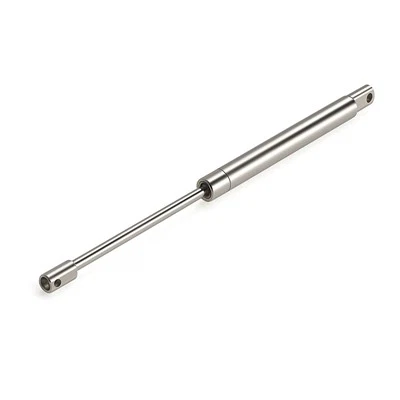
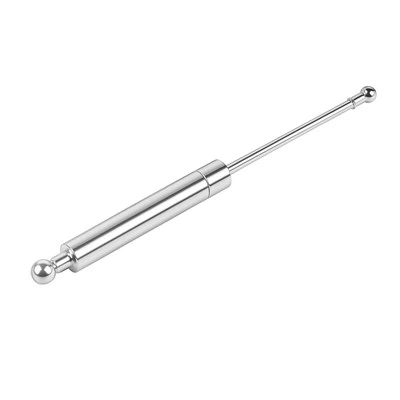
Gas struts are compact motion-control devices that use compressed gas (usually nitrogen) and oil to provide a controlled lifting and closing motion.
In toy boxes and kids' storage furniture, you will commonly see:
- Toy chest gas springs providing the lifting force.
- Small gas pistons for toy chest or mini gas rams for lids where space is limited.
- Pneumatic struts for storage box to help raise the lid and reduce opening effort.
- Gas lift cylinder for toy box working in combination with the hinge hardware.
For premium safety and comfort, many designs also integrate:
- Soft-close toy box gas shocks or
- Soft-close dampers for toy chest and
- Hydraulic dampers for toy box lid
To slow down the last part of the closing motion and prevent sudden impacts.
Most systems use one or two light duty gas struts for lids, depending on lid size and weight. The goal is to support enough of the load that the lid feels light and safe, but not so strong that it is difficult to close for a child or parent.
Suggested image: Simple diagram showing a gas strut's internal structure: Gas chamber, piston rod, and oil for damping.
3. Sizing and Force Calculation for Toy Box Gas Struts
Correct sizing of lid support gas struts starts with understanding the mechanics of your design.
3.1 Gather Basic Inputs
You need:
- Lid weight (including handles and decorative elements).
- Lid dimensions (width, depth, thickness).
- Hinge position and the distance from the hinge line to the lid's center of gravity.
- Desired opening angle (e.g., 70–110°) and how far back you want the lid to tilt.
These values allow you to calculate the torque that needs to be counteracted by the compression gas springs for toy chest. The higher the torque, the more force your toy chest gas springs must provide.
3.2 Choosing Force and Quantity
Typical approaches:
- Small, lightweight lids → one light duty gas strut for lids may be enough.
- Larger or heavier lids → two non-locking toy box gas springs (one on each side) for balanced, stable support.
To avoid multiple redesign iterations, many manufacturers prototype using an adjustable force toy box gas spring:
- Start with a higher internal pressure.
- Gradually release gas until the lid lifts smoothly and stays open at the desired angle.
Once the ideal force is found, that value becomes the specification for production toy chest gas springs.
Suggested image: Side-view engineering sketch with lid, hinge, gas strut mounting points, and dimensions annotated.
4. Soft-Close Damping and Child Safety Features
Because children interact directly with toy boxes, the motion profile must prioritize safety as well as convenience.
4.1 Soft-Close Damping
To avoid sudden impacts when closing:
- Use soft-close toy box gas shocks or
- Combine hydraulic dampers for toy box lid with pneumatic struts for storage box for extra control.
These components slow down the lid as it approaches the closed position, reducing noise and minimizing the risk of pinched fingers.
4.2 Stay Supports and Position Control
Two common strategies are:
- Kid-safe stay supports – mechanical stays or friction hinges that work together with child-safe lid support gas struts to hold the lid fully open.
- Block-lift lid support struts – special gas struts that provide stepwise positioning or extra resistance in certain angles, helping to keep the lid in a safe, stable position.
The best designs blend the lifting support of small gas pistons for toy chest with the controlled closing behavior of soft-close dampers for toy chest, so children can open and close the lid without fear.
Suggested image: Comparison graphic: one lid slamming shut vs. one lid gently closing with a soft-close gas strut and stay support.
5. Material Choices, Finishes, and Design Aesthetics
Toy boxes often use painted, stained, or laminated wood, so the visible hardware needs to match the furniture design.
Key finish options:
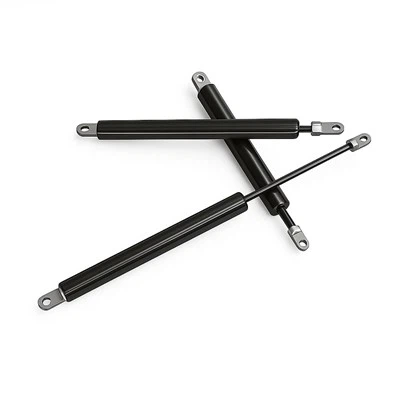
- Black nitrided toy box gas struts
oSleek, dark appearance that blends with modern hinges and brackets.
oExcellent corrosion resistance and wear properties.
- Standard painted or zinc-coated parts
oSufficient for many indoor furniture applications.
For compact furniture designs, mini gas rams for lids and small gas pistons for toy chest help keep the mechanism visually discreet while maintaining performance.
By choosing the right finish and hardware style, you ensure gas lift cylinder for toy box components enhance, rather than detract from, the overall look of your children's furniture.
Suggested image: Close-up of a toy box lid corner showing a black nitrided gas strut, bracket, and hinge against a white or wood panel.
6. How Land Gas Springs Supports Toy Box and Kids' Furniture OEMs
Land Gas Springs works with furniture manufacturers and OEMs to develop reliable, child-safe gas strut solutions for toy chests and kids' storage furniture. Our capabilities include:
- Engineering assistance to size compression gas springs for toy chest, light duty gas struts for lids, and pneumatic struts for storage box based on your lid weight and geometry.
- Customized child-safe lid support gas struts, soft-close toy box gas shocks, and soft-close dampers for toy chest tailored to your safety requirements and brand feel.
- Compact, space-saving small gas pistons for toy chest and mini gas rams for lids for modern, minimalist designs.
- Durable surface treatments such as black nitrided toy box gas struts for enhanced corrosion resistance and refined visual appearance.
Within your website structure, this article can link to product pages like:
- Toy Box Lid Support Gas Struts – Land Gas Springs
- Soft-Close Gas Springs for Kids' Storage Furniture – Land Gas Springs
Suggested image: Collage of different toy box designs (classic wooden chest, storage bench, modern toy bin) all featuring Land Gas Springs hardware.
7. Design Safer, Softer-Closing Toy Box Lids with Land Gas Springs
A well-engineered toy chest lid should open easily, stay open securely, and close softly without putting children at risk. With correctly sized toy chest gas springs, carefully tuned adjustable force toy box gas spring prototypes, and the right combination of soft-close dampers for toy chest and kid-safe stay supports, you can deliver storage products that parents trust and children enjoy using.
If you are designing new toy boxes, kids' storage benches, or other children's furniture with lift-up lids, the engineering team at Land Gas Springs can help you specify the ideal gas lift cylinder for toy box system for your application.
Contact us (info@lgassprings.com) to receive a detailed catalog, request professional design drawings, or obtain preferential pricing.