1. Why Gas Spring Positioning is Important for Fixtures
In welding, machining and automated assembly stations, operators and robots often move clamping pads, positioning arms and supports.
Unstable or unbalanced movement can cause:
- Inconsistent clamping and inaccurate part positioning
- Slow changeovers and difficult operation
- Unwanted shifting during processing
With properly designed fixture positioning gas springs, heavy tooling moves smoothly, safely and repeatedly. They:
- Hold components at the right height and angle
- Allow quick repositioning
- Prevent sudden drops for better safety
Land Gas Springs works with global precision workholding OEMs to provide industrial gas springs and positioning solutions for real production environments.
2. Common Types of Gas Springs for Fixtures
Different tooling needs different gas springs:
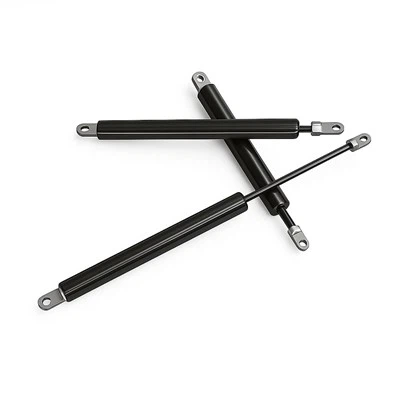
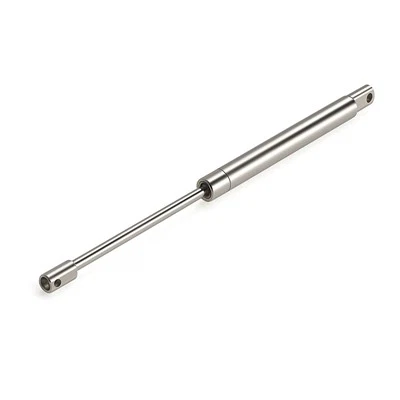
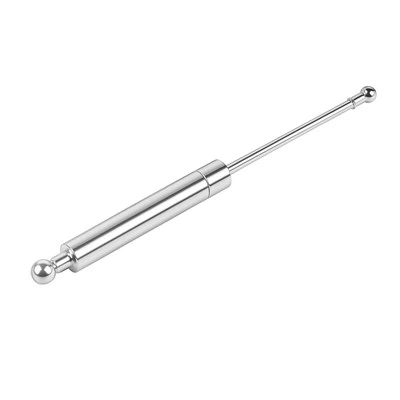
- Compression gas springs: For vertical or pivoting arms and clamping pads
- Nitrogen gas springs: Stable force, long life, ideal for high-cycle production
- Pneumatic struts: Long stroke, used in non-hydraulic systems
- Gas springs with friction seals: Smooth, drift-free movement
- Non-locking gas springs: Provide balance support; locked by external clamps
- Block-lift gas springs: Stable at full extension for heavy pads
- Hydraulic struts & dampers: Control speed for heavy or safety-critical parts
- Compact support struts: For small doors, covers and light parts
We offer a full range so you can choose based on load and function.
3. How to Design the Right Gas Spring Positioning
1. Load, Torque and Stroke
Before design, confirm three points:
- Total weight of moving parts
- Center of gravity relative to the pivot
- Required stroke and movement angle
We recommend the best gas spring to:
- Make lifting easier
- Keep position stable during machining or welding
- Avoid jumping or sticking
Adjustable-force gas springs are great for prototyping. You can tune the force before mass production.
2. Mounting Design
Mounting position and angle are very important:
- Proper lever arm for good assistance
- Correct alignment to reduce side load and extend life
- Avoid over-extension or bottoming out
We provide mounting dimensions and 2D/3D models for easy integration.
4. Typical Applications
1. Clamping Pads & Positioning Arms
On welding and machining fixtures:
- Gas springs balance weight for one-hand operation
- Consistent feel across multiple arms
- Hold position until mechanical clamps lock
Heavy-duty arms use gas springs with dampers for extra stability.
2. Precision Machining & Inspection Fixtures
For high-precision measuring and machining equipment:
- Gas springs assist lifting and tilting
- Smooth, stable movement
- Block-lift gas springs fix tilt positions
3. Modular & Flexible Tooling
For multi-product production lines:
- Quick changeover and adjustment
- Friction seals prevent drifting
- Adjustable force for different parts
Improve flexibility and reduce setup time.
5. Materials, Finishes and Durability
Tooling often works around coolant, oil, welding spatter and dust.
We provide:
- Standard industrial coating
- Black nitriding for stronger corrosion resistance
- High-quality seals for longer life
- Heavy-duty options for harsh conditions
6. What We Offer for Tooling OEMs
Land Gas Springs is a professional partner for fixture and tooling manufacturers:
- Full product line: positioning gas springs, fixture struts, dampers, hydraulic struts
- Professional engineering: force calculation, mounting design, solution support
- Custom development: adjustable prototypes, custom stroke, brackets and branding
Contact Us
If you are designing clamping pads, positioning arms or precision tooling systems
and need reliable positioning gas springs, struts or dampers,
please email us at:
info@lgassprings.com
We can provide catalogs, custom design drawings and OEM project quotes.