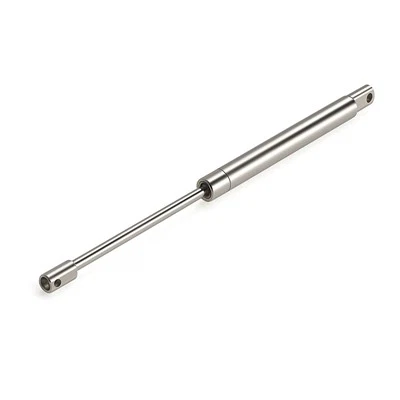
Hey there! As a supplier of Boot Gas Struts, I often get asked about how often these bad boys should be lubricated. It's a great question, and one that can have a big impact on the performance and lifespan of your gas struts. So, let's dive right in and explore this topic in detail.
Understanding Boot Gas Struts
First off, let's quickly go over what boot gas struts are. These are basically mechanical devices that use compressed gas to provide support and assist in the opening and closing of various types of boots, hatches, and lids. They're commonly used in cars, trucks, boats, and even some industrial applications.
The main components of a boot gas strut include a cylinder filled with compressed gas (usually nitrogen), a piston rod, and a seal. When the strut is extended or compressed, the gas inside the cylinder is either compressed or expanded, which creates the force needed to support the load.
Why Lubrication Matters
Lubrication plays a crucial role in the proper functioning of boot gas struts. Over time, the moving parts of the strut can experience wear and tear, which can lead to reduced performance and even failure. By lubricating the strut regularly, you can reduce friction between the moving parts, prevent corrosion, and extend the lifespan of the strut.
Here are some of the key benefits of lubricating your boot gas struts:
- Smoother operation: Lubrication helps to reduce friction between the piston rod and the seal, which makes the strut operate more smoothly. This can result in easier opening and closing of the boot or hatch, as well as a quieter operation.
- Increased lifespan: By reducing wear and tear on the moving parts, lubrication can help to extend the lifespan of the gas strut. This means you won't have to replace the strut as often, which can save you money in the long run.
- Prevent corrosion: Lubrication can also help to prevent corrosion on the piston rod and other metal components of the strut. This is especially important if the strut is exposed to moisture or harsh environmental conditions.
How Often Should You Lubricate Boot Gas Struts?
Now, the big question: how often should you lubricate your boot gas struts? Well, the answer depends on a few factors, including the type of strut, the frequency of use, and the environmental conditions.
As a general rule of thumb, it's recommended to lubricate your boot gas struts every 6 to 12 months. However, if you use your vehicle or equipment frequently, or if it's exposed to harsh conditions, you may need to lubricate the struts more often.
Here are some signs that your boot gas struts may need lubrication:
- Stiff or difficult operation: If the boot or hatch is difficult to open or close, or if it feels stiff or jerky when moving, it could be a sign that the struts need lubrication.
- Noisy operation: If you hear a squeaking or rattling noise when opening or closing the boot or hatch, it could be due to lack of lubrication.
- Visible wear or damage: If you notice any signs of wear or damage on the piston rod or other components of the strut, it's a good idea to lubricate the strut and inspect it for any other issues.
How to Lubricate Boot Gas Struts
Lubricating your boot gas struts is a relatively simple process that can be done at home with a few basic tools. Here's a step-by-step guide on how to lubricate your boot gas struts:
- Clean the strut: Before lubricating the strut, it's important to clean it thoroughly to remove any dirt, debris, or old lubricant. You can use a clean cloth or a mild detergent to clean the strut.
- Apply lubricant: Once the strut is clean, apply a small amount of lubricant to the piston rod. You can use a silicone-based lubricant or a specialized gas strut lubricant. Make sure to apply the lubricant evenly along the length of the piston rod.
- Extend and retract the strut: After applying the lubricant, extend and retract the strut several times to distribute the lubricant evenly. This will help to ensure that the lubricant reaches all of the moving parts of the strut.
- Wipe off excess lubricant: Once you've extended and retracted the strut, wipe off any excess lubricant with a clean cloth. This will help to prevent the lubricant from attracting dirt and debris.
Other Tips for Maintaining Boot Gas Struts
In addition to lubricating your boot gas struts regularly, there are a few other things you can do to keep them in good condition:
- Inspect the struts regularly: Check the struts for any signs of wear, damage, or leaks. If you notice any issues, it's important to address them as soon as possible to prevent further damage.
- Avoid overloading the struts: Make sure you don't exceed the weight capacity of the struts. Overloading the struts can cause them to fail prematurely.
- Store the struts properly: If you're not using the struts for an extended period of time, make sure to store them in a cool, dry place. This will help to prevent corrosion and other damage.
Related Products
If you're in the market for boot gas struts or other related products, we've got you covered. Check out our Engine Compartment Hatch Gas Springs, Chest Lid Stay Gas Struts, and Tooling Fixtures and Jigs Positioning Gas Springs. These products are designed to provide reliable support and performance for a variety of applications.
Conclusion
In conclusion, lubricating your boot gas struts regularly is an important part of maintaining their performance and lifespan. By following the tips and guidelines outlined in this blog post, you can ensure that your struts operate smoothly and efficiently for years to come.


If you have any questions or need further assistance with your boot gas struts, don't hesitate to contact us. We're here to help you find the right products and solutions for your needs.
References
- Manufacturer's guidelines for boot gas struts
- Industry best practices for gas strut maintenance