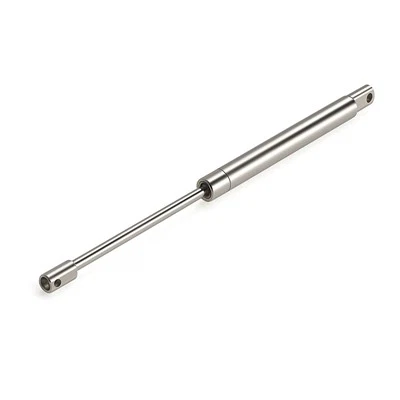
In the realm of modern furniture design, Murphy beds have emerged as a revolutionary solution for maximizing space in small living areas. At the heart of these innovative beds are gas springs, which play a crucial role in the smooth operation and functionality of Murphy beds. As a leading supplier of Murphy bed gas springs, I am often asked about the environmental friendliness of these components. In this blog post, I will delve into the environmental aspects of Murphy bed gas springs, exploring their materials, manufacturing processes, and end-of-life considerations.


Materials and Manufacturing Processes
The environmental impact of Murphy bed gas springs begins with the materials used in their construction. Most gas springs are made from a combination of steel, aluminum, and various polymers. Steel is a widely used material due to its strength and durability, while aluminum offers a lightweight alternative that can reduce the overall weight of the gas spring. Polymers, such as rubber and plastic, are used for seals and other components to ensure a tight and leak-free operation.
The manufacturing process of gas springs involves several steps, including machining, welding, and assembly. These processes can have a significant environmental impact, particularly in terms of energy consumption and waste generation. However, many manufacturers are taking steps to reduce their environmental footprint by implementing sustainable manufacturing practices. For example, some companies are using recycled materials in their production processes, which helps to conserve natural resources and reduce waste. Additionally, advancements in manufacturing technology have led to more efficient production methods, which can reduce energy consumption and emissions.
Energy Efficiency
One of the key environmental benefits of Murphy bed gas springs is their energy efficiency. Gas springs use compressed gas to provide the necessary force to lift and lower the bed, which requires less energy than traditional mechanical systems. This means that Murphy beds equipped with gas springs can help to reduce energy consumption and lower carbon emissions.
In addition to their energy efficiency, gas springs also offer a smooth and quiet operation, which can enhance the user experience. This is particularly important in residential settings, where noise pollution can be a concern. By using gas springs, Murphy beds can provide a comfortable and peaceful sleeping environment without the need for noisy mechanical components.
End-of-Life Considerations
Another important aspect of the environmental friendliness of Murphy bed gas springs is their end-of-life management. When a gas spring reaches the end of its useful life, it is important to dispose of it properly to minimize its environmental impact. Most gas springs can be recycled, which helps to conserve natural resources and reduce waste. However, it is important to ensure that the gas spring is properly drained and disassembled before recycling to prevent any potential hazards.
In addition to recycling, some manufacturers are also exploring the use of biodegradable materials in their gas springs. These materials can break down naturally over time, reducing the environmental impact of the gas spring at the end of its life. While biodegradable materials are still in the early stages of development, they offer a promising solution for reducing the environmental footprint of Murphy bed gas springs.
Environmental Certifications
To demonstrate their commitment to environmental sustainability, many manufacturers of Murphy bed gas springs are obtaining environmental certifications. These certifications, such as ISO 14001 and RoHS, provide independent verification that the manufacturer's products and processes meet certain environmental standards. By choosing gas springs from a certified manufacturer, consumers can be confident that they are making an environmentally responsible choice.
Conclusion
In conclusion, Murphy bed gas springs can be an environmentally friendly choice for consumers who are looking to maximize space in their homes while minimizing their environmental impact. By using sustainable materials, implementing efficient manufacturing processes, and promoting end-of-life recycling, gas spring manufacturers are taking steps to reduce their environmental footprint. Additionally, the energy efficiency and smooth operation of gas springs can help to reduce energy consumption and enhance the user experience.
If you are interested in learning more about our Murphy bed gas springs or would like to discuss your specific requirements, please feel free to contact us. We would be happy to provide you with more information and help you find the right gas springs for your needs.
References
- ISO 14001:2015 Environmental management systems - Requirements with guidance for use
- Restriction of Hazardous Substances Directive (RoHS)