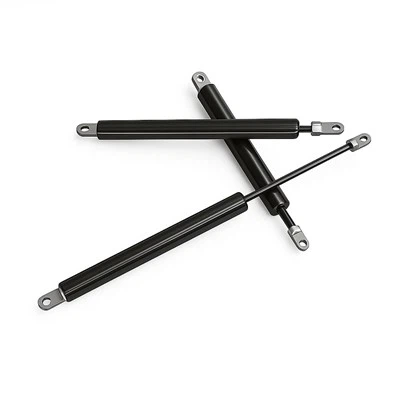
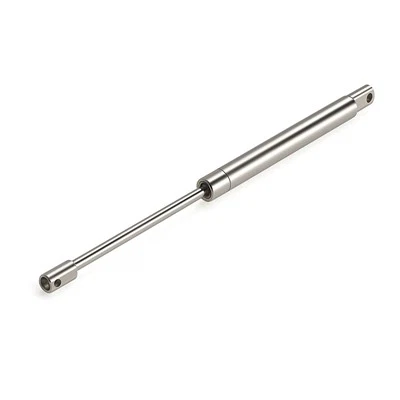
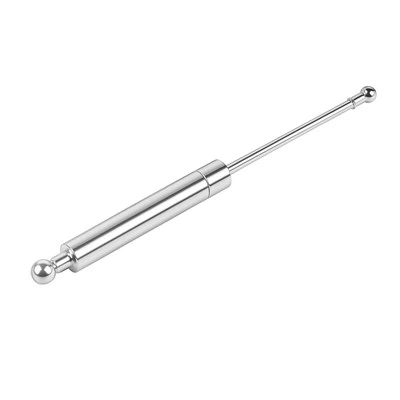
In daily clinical work, doctors, dentists, and nurses can adjust their chairs hundreds of times a day. If the seat height sticks, drops unexpectedly, or rotates unevenly, it doesn't just feel cheap – it causes fatigue and increases the risk of musculoskeletal injuries. Hidden inside most modern seating systems are doctor's chair gas springs and medical stools gas struts that make these adjustments smooth and safe.
For medical seating OEMs, specifying the right gas lift supports for doctor chairs and pneumatic chair gas cylinders is a technical task. You must balance load, stroke, ergonomics, hygiene, and lifetime durability. This guide explains the key technical points and how Land Gas Springs can support you with tailored gas spring solutions for medical chairs and stools.
Image idea: Exploded view of a doctor's stool showing the gas cylinder integrated into the central column between base and seat.
1. Where Gas Springs Work Inside Doctor's Chairs and Medical Stools
Doctor's chairs and stools look simple from the outside, but multiple functions rely on gas springs and dampers:
1.1 Height Adjustment
The most visible function is height adjustment, typically handled by:
- Pneumatic chair gas cylinders in the main column
- Adjustable height gas springs for stools in standard or high (dental/OR) models
- Gas pistons for doctor stools where higher load capacity and smooth control are required
These components allow easy, one-hand operation via a ring lever or side lever so clinicians can maintain sterile technique.
1.2 Swivel and Tilt Functions
Many stools include advanced functions:
- Swivel seats supported by swivel stool gas lifts and gas rams for adjustable chairs
- Tilt or dynamic seats stabilized with compression gas springs for clinic stools or small tension–compression gas springs for beds and seats in the mechanism
1.3 Operator and Assistant Stools
Operator stools and assistant chairs (e.g., dental assistants) often integrate:
- Stay supports for operator stools to keep the seat or backrest in defined angular positions
- Block-lift medical chair struts where multiple fixed height or tilt positions are needed
Image idea: Three-panel image: doctor's swivel stool, dental assistant chair with backrest, and a high lab stool, each with arrows indicating gas spring locations.
2. Technical Sizing: Load, Stroke, and Ergonomics
2.1 Define Load Range and Safety Margin
To size doctor's chair gas springs and heavy duty chair gas shocks, start with:
- Maximum user weight (including clothing and tools)
- Chair frame weight and any attached accessories
- Required safety factor (commonly ≥1.5–2.0 for medical seating)
These parameters ensure that gas lift supports for doctor chairs and hydraulic struts for hospital stools can handle daily use without premature failure.
2.2 Stroke and Height Range
The stroke of the gas spring determines total height adjustment:
- Standard medical stools might require 120–160 mm stroke
- High dental stools and ultrasound chairs may need 180–250 mm
Land Gas Springs can optimize pneumatic chair gas cylinders for the required height range while ensuring the correct compressed and extended lengths to fit your base and seat design.
2.3 Operating Force and Feel
Clinicians expect effortless adjustment:
- Foot-operated or hand-operated release mechanisms should require minimal force
- The seat should rise smoothly under the combined force of non-locking chair gas springs and user's partial weight
- Downward movement must be controlled, not sudden
Land can supply adjustable force gas shocks for medical chairs (pre-tuned or adjustable) so your product team can fine-tune the "feel" during prototyping.
Image idea: Technical sketch showing minimum and maximum seat height, with the gas spring stroke highlighted inside the column.
3. Motion Control and Comfort
3.1 Soft-Acting and Controlled Movement
To avoid abrupt movement and noise, OEMs frequently specify:
- Soft-close dampers for medical seats integrated into or combined with the gas spring
- Special valve designs inside heavy duty chair gas shocks to smooth acceleration and deceleration
This is especially important in quiet exam rooms and dental clinics, where sudden seat movements can disturb patients and equipment.
3.2 Special Functions with Block-Lift and Stay Supports
For some applications, the seat or backrest must hold in discrete positions rather than free-floating:
- Block-lift medical chair struts provide stepwise height positions or tilt angles
- Stay supports for operator stools keep backrests or arm supports in place without creeping
These functions can be combined with gas props for examination stools and gas rams for adjustable chairs to maintain both comfort and precise positioning.
Image idea: Sequence of images showing a stool moving between three discrete height positions using a block-lift system.
4. Hygiene, Cleanability, and Surface Finish
Medical environments demand strict hygiene, and the gas springs inside chairs are exposed to regular cleaning.
4.1 Smooth, Easy-to-Clean Designs
For medical stools gas struts and compression gas springs for clinic stools, key hygiene requirements include:
- Smooth external surfaces with minimal grooves or recesses
- Closed construction to prevent ingress of blood, disinfectants, or cleaning fluids
- Compatibility with alcohol- and chlorine-based cleaning agents
Land Gas Springs designs black nitrided chair gas struts and coated cylinders with low-porosity surfaces that withstand frequent disinfection.
4.2 Corrosion and Chemical Resistance
Even in indoor environments, metal components on chairs must resist corrosion and staining:
- Internal and external parts of hydraulic dampers for medical chairs and hydraulic struts for hospital stools use corrosion-resistant materials and finishes
- Nitrogen gas springs for chairs are sealed and lubricated to maintain performance under repeated cleaning cycles
Image idea: Close-up of a black nitrided gas cylinder integrated neatly into a white medical stool base, with a cleaning wipe in hand.
5. How Land Gas Springs Supports Medical Seating OEMs
Land Gas Springs partners with medical seating manufacturers worldwide to develop reliable, ergonomic motion solutions for doctor's chairs and stools. We offer:
- Custom doctor's chair gas springs, medical stools gas struts, and swivel stool gas lifts tailored to your height range, load, and design
- Full range of gas lift supports for doctor chairs, gas pistons for doctor stools, and gas rams for adjustable chairs for standard, high, and heavy-duty models
- Hygiene-focused options including black nitrided chair gas struts, durable coatings, and sealed designs for compression gas springs for clinic stools
- Motion-control solutions such as soft-close dampers for medical seats, block-lift medical chair struts, and non-locking chair gas springs with optimized comfort and durability
Example product link ideas for your website:
- Gas Springs and Gas Shocks for Doctor's Chairs and Medical Stools – Land Gas Springs
- Medical Seating Gas Lift Cylinders and Dampers – Land Gas Springs
Whether you design compact clinic stools, ergonomic dental chairs, or robust hospital operator stools, the right gas spring and damper combination will improve ergonomics, reliability, and perceived quality for every user.
Contact us (info@lgassprings.com) – Land Gas Springs can help you:
- Get a detailed gas spring catalog for doctor's chairs, medical stools, and other healthcare seating
- Receive professional 2D/3D design drawings based on your seat geometry, height range, and load requirements
- Obtain more competitive pricing for volume production and long-term OEM medical seating projects