Date: November 18, 2026 | Category: Industry News | Source: Reuters | LAND Gas Springs Industry Insights
The automotive manufacturing industry is accelerating its adoption of robotics and factory automation as manufacturers look for ways to improve productivity, control operating costs, and strengthen production efficiency.
On November 17, 2026, Reuters reported that General Motors (GM) is aiming to increase the use of robots and other automation technologies across its North American factories by 20% by 2028.
The initiative reflects a broader manufacturing trend in which automotive companies are investing in advanced robotics, autonomous material handling, and more automated production processes.
GM is also developing its own robots at its Kokomo, Indiana, facility, with a particular focus on autonomous mobile robots designed to transport components around manufacturing plants.
An additional development is attracting attention across the automotive supply chain: GM is asking suppliers competing for new parts contracts to submit automation plans for their own manufacturing operations.
According to sources cited by Reuters, the automaker uses a scorecard to evaluate supplier automation efforts and considers these assessments when making contract decisions.
For automotive component manufacturers and OEM suppliers, this development highlights the growing importance of manufacturing efficiency, production consistency, and technological investment.
1. GM Expands Its Factory Automation Strategy
General Motors has established a target of increasing robotics and automation use by 20% across its North American factories by 2028.
The company is developing robots internally and assembling them at its Kokomo, Indiana, plant.
One area of focus is autonomous mobile robotics. Unlike traditional industrial robots that perform repetitive operations in fixed positions, autonomous mobile robots can transport components and materials between different production areas.
This technology can help manufacturers improve internal logistics and reduce unnecessary material-handling activities.
GM continues to purchase robotics equipment from external suppliers while expanding its own development capabilities.
The strategy reflects the automotive industry's increasing interest in combining traditional industrial automation with newer robotics technologies.
2. Why Automotive Manufacturers Are Investing in Automation
Several factors are encouraging automotive manufacturers to expand automation:
Rising Manufacturing Costs: Labor expenses, raw material prices, logistics costs, and investment in localized production have increased pressure on automotive manufacturers. Reuters reported that GM has cited additional labor costs associated with its 2023 labor agreement, while Ford has also identified substantial increases. Automation is one approach manufacturers are considering to improve productivity and manage these expenses.
Greater Production Efficiency: Automated equipment can perform repetitive operations with consistent timing and positioning. Depending on the application, this can help reduce production bottlenecks, improve material flow, and support more predictable manufacturing schedules.
Quality and Process Consistency: Well-designed automation systems can help standardize manufacturing operations. When combined with appropriate inspection procedures, process monitoring, and maintenance, automation can contribute to consistent production quality.
Material Handling Improvements: Moving components between workstations is an essential part of factory operations. Autonomous mobile robots can help transport materials between storage areas, production lines, and assembly stations, supporting more efficient internal logistics.
3. GM's Supplier Automation Requirements Could Influence Contract Decisions
One of the most important developments in the Reuters report concerns GM's relationship with its parts suppliers.
The automaker is reportedly asking suppliers bidding for new contracts to provide information about their factory automation plans. These efforts are evaluated through a supplier scorecard, and the results may influence contract decisions.
This suggests that manufacturing capability is becoming an increasingly important consideration in automotive procurement.
Traditionally, suppliers have competed through several major factors: product quality, competitive pricing, delivery reliability, engineering capability, and production capacity. Automation investment may increasingly become another factor in supplier evaluations.
For component manufacturers, this means that the ability to demonstrate efficient and consistent production processes could become more important when competing for new OEM business.
4. What Automation Means for Automotive Component Suppliers
The automotive supply chain includes thousands of specialized manufacturers producing mechanical, electrical, electronic, and structural components. Automation does not necessarily mean replacing every manual production operation with robots. Instead, manufacturers can identify processes where automated equipment provides measurable improvements:
- Automated Assembly: Repetitive assembly operations can be supported by automated equipment, positioning systems, and controlled fastening processes to improve process repeatability.
- Automated Inspection: Dimensional measurement systems, vision inspection, and automated testing equipment support more consistent product verification and earlier defect detection.
- Automated Material Handling: Robotic transport systems move raw materials and components between production areas to improve workflow organization.
- Production Data and Traceability: Digital production systems collect information about process parameters and inspection results to support quality management and batch traceability.
5. Automation and the Importance of Consistent Component Quality
As manufacturing processes become more automated, the consistency of individual components remains essential. A component with inconsistent dimensions, force characteristics, or assembly quality can affect the performance of a larger mechanical system.
For example, automotive and industrial equipment manufacturers often require mechanical components to meet specific drawings, dimensional tolerances, and functional requirements.
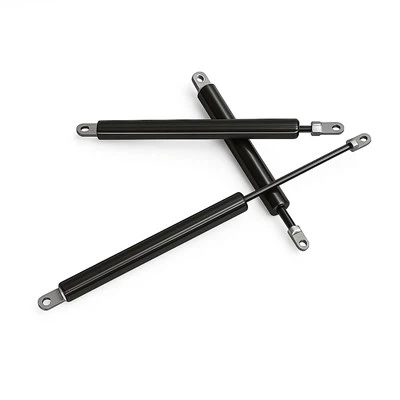
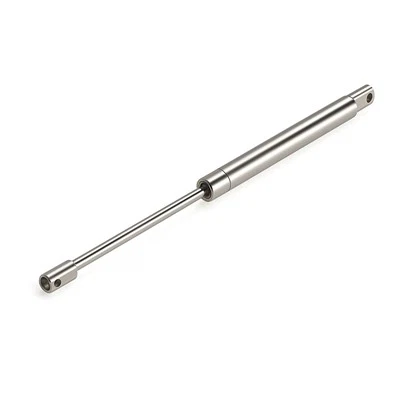
Gas springs and hydraulic dampers are among the components used in selected vehicle and equipment applications. Their manufacturing and inspection processes may involve:
- Dimensional measurement.
- Extension force testing.
- Leakage testing.
- Material and surface inspection.
- Functional testing.
- Batch identification and documentation.
Automated inspection and data collection can support these processes where appropriate. However, automation alone does not guarantee product quality. Correct engineering specifications, calibrated equipment, validated processes, and effective quality management remain essential.
6. How OEM Buyers May Evaluate Suppliers in an Increasingly Automated Industry
The developments at GM provide a useful reference for other manufacturers reviewing their supplier selection processes. OEM purchasing teams may increasingly consider several areas:
Manufacturing Capability: Can the supplier maintain the required production capacity and manufacturing consistency?
Process Control: Are important production parameters monitored and controlled?
Inspection and Testing: Does the supplier have suitable equipment and procedures to verify product performance?
Production Flexibility: Can the supplier accommodate different specifications, product variations, and changes in customer demand?
Engineering Support: Can the supplier work with OEM engineers to review drawings, develop samples, and resolve technical issues?
Delivery and Traceability: Can the supplier provide reliable production schedules and accurate shipment documentation?
7. How LAND Gas Springs Supports OEM Manufacturing Requirements
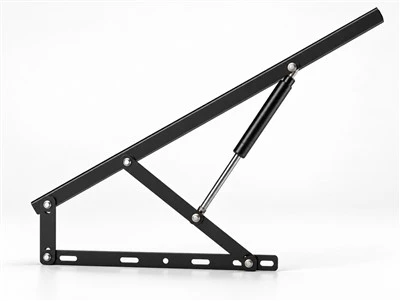
LAND Gas Springs manufactures compression gas springs, locking gas springs, stainless steel gas springs, hydraulic dampers, and related mounting components for OEM and industrial applications.
For automotive-related and industrial OEM projects, our engineering and manufacturing support includes:
- Customized product development based on customer drawings.
- Force, stroke, and extended-length specifications.
- End fitting and mounting configuration selection.
- Sample development and functional evaluation.
- Dimensional inspection and force verification.
- Agreed product testing and quality documentation.
- Production and shipment coordination.
Explore our OEM/ODM Manufacturing Capabilities and Gas Spring Product Range.
8. Looking Ahead: The Future of Automotive Manufacturing
GM's automation target reflects the continuing transformation of North American automotive manufacturing. As vehicle manufacturers face rising production costs and increasingly complex supply chains, robotics, autonomous material handling, and digital manufacturing systems are likely to remain important investment areas.
The development also sends a message to component suppliers: manufacturing competitiveness involves more than supplying a product at the right price. Production consistency, engineering collaboration, process control, and the ability to meet evolving OEM requirements all contribute to long-term supplier competitiveness.
Looking for an Experienced OEM Gas Spring Manufacturer?
LAND Gas Springs provides customized gas springs and hydraulic dampers for automotive-related, commercial vehicle, and industrial equipment applications.
Contact our engineering team to discuss your drawings, technical specifications, and OEM manufacturing requirements.
Visit https://www.land-gassprings.com/ or contact info@land-gassprings.com.
Original News Source:
Reuters - November 17, 2026
EXCLUSIVE: GM plans 20% boost in robotics as factory costs rise
Source link