Date: November 19, 2026 | Category: Industry News | Source: Reuters / U.S. Federal Reserve
U.S. manufacturing activity showed moderate growth in October 2026, supported by a strong rebound in motor vehicle production and continued investment in industries connected to artificial intelligence infrastructure.
According to data released by the Federal Reserve on November 17, U.S. manufacturing output increased by 0.3% in October, matching September's growth and exceeding economists' expectations of 0.2%.
The most notable improvement came from the automotive sector. Production of motor vehicles and parts increased by 4.4% during the month, recovering from a 2.7% decline in September.
Meanwhile, semiconductor and related electronic component production increased by 2.2% in October and was 15.3% higher than a year earlier.
These figures highlight the importance of automotive manufacturing and advanced technology industries in supporting U.S. factory production.
For automotive OEMs, industrial component manufacturers, and international suppliers, the latest data provide useful insight into changing manufacturing activity and potential supply chain opportunities.
1. U.S. Manufacturing Output Continues to Expand
The Federal Reserve's October industrial production report showed that U.S. manufacturing output increased by 0.3% month over month.
Manufacturing production was also 2.2% higher compared with October 2025.
Although the increase was relatively modest, it represented another month of expansion following September's 0.3% growth.
The improvement was not evenly distributed across all manufacturing industries. Durable goods manufacturing increased by 0.5%, primarily supported by stronger automotive production. By comparison, nondurable manufacturing output remained unchanged.
This suggests that selected industrial sectors are performing better than others, rather than indicating a broad-based recovery across the entire manufacturing economy.
2. Automotive Production Rebounds by 4.4%
One of the most important developments in the October report was the recovery in U.S. motor vehicle and parts production.
According to the Federal Reserve:
- Motor vehicle and parts output increased by 4.4% in October.
- Production had declined by 2.7% in September.
- Durable goods manufacturing increased by 0.5%.
- Automotive production was the leading contributor to the monthly increase in durable manufacturing.
The improvement suggests stronger factory activity within the automotive manufacturing sector.
For automotive component suppliers, changes in vehicle production can influence purchasing schedules, component demand, production planning, and inventory requirements.
However, monthly industrial production data should not be interpreted as a direct measure of new automotive orders or supplier purchase orders. Actual demand for individual components will still depend on vehicle models, production schedules, customer inventory levels, and sourcing arrangements.
3. AI-Related Industries Also Support Manufacturing Activity
Automotive production was not the only area showing improvement.
The October data also highlighted stronger output in industries associated with artificial intelligence infrastructure investment.
According to Reuters, production of semiconductors and related electronic components increased by 2.2% during October and was 15.3% higher than a year earlier.
Computer and peripheral equipment production also increased by 3.2%, while communications equipment output rose by 0.9%.
These developments reflect the continuing importance of investment in advanced computing infrastructure. The expansion of data centers and related technology systems requires a broad industrial ecosystem, including electronic components, precision manufacturing, cooling equipment, structural systems, and specialized industrial hardware.
For manufacturers across the industrial supply chain, these developments offer additional reasons to monitor investment trends in advanced manufacturing.
4. Industrial Production Data Show a More Mixed Picture
Despite the improvement in manufacturing, overall U.S. industrial production declined by 0.4% in October. The decline was mainly associated with weaker mining and utility output.
The Federal Reserve reported:
- Mining production decreased by 0.8%.
- Utility output declined by 4.3%.
- Overall industrial production fell by 0.4%.
- Total industrial production remained 2.1% higher year over year.
Manufacturing capacity utilization edged up to 76.0%, compared with 75.9% in September. However, this remained 2.2 percentage points below its long-run average.
These figures are important because they show that manufacturing growth does not necessarily mean every industrial sector is expanding at the same pace. For manufacturers, understanding the differences between individual industries is more useful than relying on a single headline economic indicator.
5. What the Latest Data Mean for Automotive Component Suppliers
Changes in automotive production can affect manufacturers throughout the component supply chain. As vehicle assembly activity increases, OEM purchasing teams may adjust their sourcing plans, production schedules, and inventory requirements.
Component suppliers should pay attention to several areas:
Production Planning: Manufacturers need to balance available production capacity with confirmed customer demand. A short-term increase in automotive output does not automatically justify expanding production without reviewing actual purchase orders and customer forecasts.
Inventory Management: Suppliers should monitor inventory levels for commonly used components and raw materials. Maintaining appropriate stock can help support customer delivery requirements while avoiding unnecessary inventory costs.
Product Quality and Consistency: As production schedules become more demanding, component manufacturers must continue maintaining dimensional accuracy, functional performance, and reliable inspection procedures.
Delivery Reliability: Automotive OEM customers often coordinate production schedules across multiple suppliers. Delays in individual components can affect larger assembly operations, making dependable delivery planning particularly important.
Engineering Cooperation: Customized mechanical components frequently require drawing reviews, sample development, and technical confirmation before mass production. Early communication between OEM engineers and component manufacturers can help prevent unnecessary production interruptions.
6. Why Manufacturing Diversification Matters for Industrial Suppliers
The October production data also highlight the importance of understanding different manufacturing markets.
Automotive production remains an important part of the U.S. manufacturing economy, while advanced electronics and AI-related investment are creating additional industrial demand.
For component suppliers, relying on a single market or application can increase exposure to industry-specific fluctuations. Manufacturers may therefore consider developing capabilities across several application areas, including:
- Automotive and commercial vehicles.
- Recreational vehicles and trailers.
- Marine equipment.
- Agricultural machinery.
- Industrial equipment and machinery.
- Electronic equipment enclosures and access systems.
Diversification does not eliminate market risk, but it can provide opportunities to serve customers with different production cycles and application requirements. For OEM component manufacturers, the ability to customize products for multiple applications can be an important competitive advantage.
7. How LAND Gas Springs Supports Industrial and Automotive OEM Applications
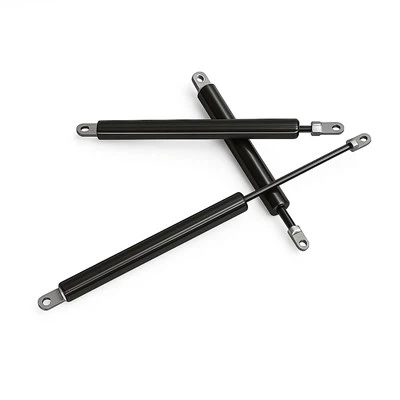
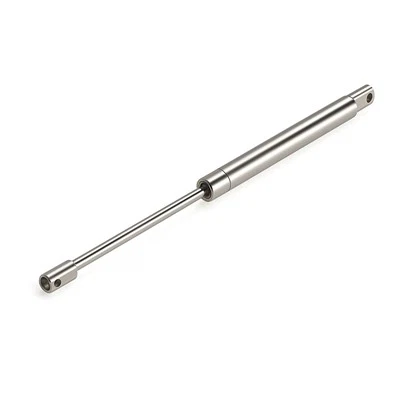
LAND Gas Springs manufactures compression gas springs, locking gas springs, stainless steel gas springs, hydraulic dampers, and related mounting components.
Our products support customized applications involving lifting assistance, controlled movement, and mechanical positioning.
Typical applications include:
- Automotive and commercial vehicle compartments.
- RV storage doors and access panels.
- Marine hatches and equipment covers.
- Agricultural machinery.
- Industrial machinery and equipment enclosures.
For OEM customers, our engineering support includes:
- Reviewing technical drawings and application requirements.
- Confirming extension force, stroke, and extended length.
- Selecting suitable rod, tube, and end fitting configurations.
- Developing customized samples.
- Performing agreed force, leakage, dimensional, and functional inspections.
- Coordinating production schedules and shipment documentation.
As manufacturing requirements continue to evolve, working with a component supplier that understands both technical specifications and production requirements can help OEM customers develop reliable products.
Explore our Gas Spring Product Range and OEM/ODM Manufacturing Capabilities.
8. Outlook: What Manufacturers Should Watch Next
The October manufacturing report provides several indicators worth monitoring in the coming months:
First, automotive production will remain an important indicator of demand across the vehicle component supply chain.
Second, continued investment in AI infrastructure may support additional production opportunities for semiconductor and related equipment manufacturers.
Third, overall industrial capacity utilization and manufacturing output will help indicate whether recent growth becomes more widespread.
The Federal Reserve also scheduled its annual revision of industrial production indexes for November 24, 2026. Manufacturers and market analysts should therefore review subsequent data updates before making longer-term production assumptions.
For suppliers, the most practical approach is to combine industry-level economic indicators with direct customer forecasts, confirmed orders, and actual inventory movements.
Conclusion: Automotive Manufacturing Remains an Important Driver of U.S. Factory Activity
The latest Federal Reserve data show that U.S. manufacturing output increased by 0.3% in October, supported by a 4.4% rebound in motor vehicle and parts production.
At the same time, stronger semiconductor and computer equipment production highlights the growing importance of advanced technology investment.
However, the decline in overall industrial production and the weakness in manufacturing outside the automotive sector show that the recovery remains uneven.
For automotive OEMs and industrial component suppliers, monitoring individual industry trends, maintaining production flexibility, and strengthening supplier cooperation remain important priorities.
Looking for an OEM Gas Spring Manufacturing Partner?
LAND Gas Springs provides customized compression gas springs, locking gas springs, stainless steel gas springs, and hydraulic dampers for automotive, commercial vehicle, and industrial applications.
Contact our engineering team to discuss your drawings, technical requirements, sample development, and OEM manufacturing projects.
Visit https://www.land-gassprings.com/ or contact info@land-gassprings.com.
Original News and Data Sources:
- Reuters - November 17, 2026: Motor vehicles, AI investment lift US factory production in October. Source link
- Federal Reserve Board - November 17, 2026: Industrial Production and Capacity Utilization - G.17, October 2026. Federal Reserve G.17 link