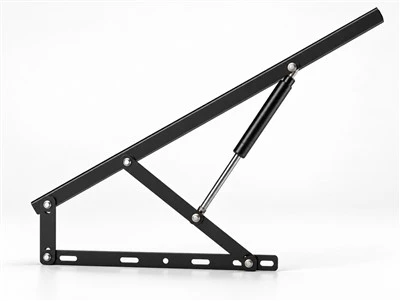
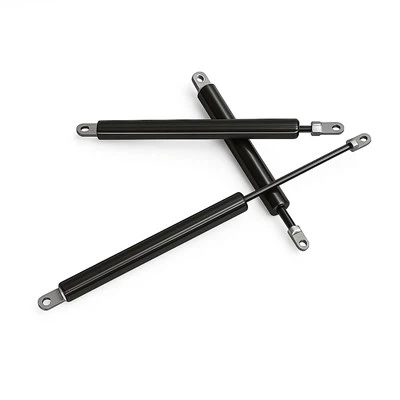
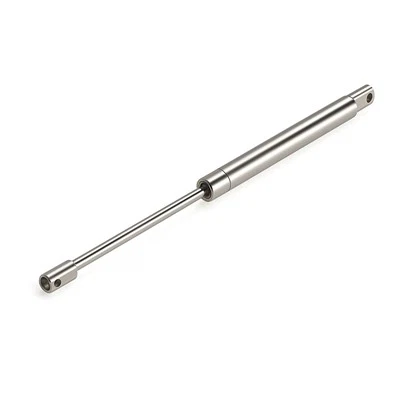
In the operating room and emergency department, smooth, controlled motion is not a luxury – it is part of patient safety. When surgeons tilt an OR table, nurses raise a stretcher, or paramedics adjust a trolley, they rely on hidden components like operating table gas springs and medical stretcher gas struts to move heavy loads quietly and precisely.
For medical equipment OEMs, specifying the correct compression gas springs for medical equipment and hydraulic dampers for stretchers is a technical task that must balance force, geometry, hygiene, and global safety requirements. This guide outlines the key points and shows how Land Gas Springs supports operating table and stretcher manufacturers with reliable motion-control solutions.
Image idea: A cutaway illustration of an operating table showing gas springs and tilt cylinders under the tabletop.
1. Where Gas Springs Are Used in Medical Tables and Stretchers
Modern medical furniture integrates multiple motion axes, many of them assisted by gas springs and dampers:
1.1 Operating Tables and OR Tables
Typical functions supported by operating table gas springs and operating table tilt gas cylinders include:
- Backrest and leg section adjustment
- Trendelenburg / reverse Trendelenburg tilt
- Lateral tilt or kidney bridge adjustment
- Accessory lifting and positioning
Here, gas lift elements such as gas lift supports for operating tables, nitrogen gas springs for OR tables, and heavy duty medical gas shocks must be extremely reliable and capable of supporting high loads through thousands of cycles.
1.2 Stretchers, Trolleys, and Emergency Carts
In emergency and transport applications, medical stretcher gas struts, gas pistons for stretchers, and gas rams for patient trolleys assist with:
- Backrest elevation
- Height adjustment or shock positions
- Leg rest and foot section movement
Pneumatic struts for hospital trolleys and hydraulic dampers for stretchers must work smoothly under dynamic loading, even when staff adjust the stretcher quickly during critical situations.
1.3 Hospital and ICU Beds
Although motorized systems are common, hospital bed lift gas springs and hydraulic struts for hospital beds are still widely used for:
- Emergency manual adjustment
- Assisted backrest and thigh section movement
- Fail-safe positioning in power loss cases
Image idea: Three-panel image: an OR table, a stretcher, and a hospital bed, each with arrows indicating where gas springs are installed.
2. Technical Sizing and Force Selection
2.1 Load, Geometry, and Center of Gravity
Correct sizing of operating table gas springs and medical stretcher gas struts starts with three essential parameters:
- Load to be supported (patient + mattress + accessories + tabletop)
- Distance from pivot (lever arm / center of gravity)
- Required angle range and ergonomic operating force for staff
These inputs define the force and stroke required from adjustable force medical gas springs and hospital bed lift gas springs.
2.2 Adjustable Force and Fine Tuning
For many OEM projects, exact loads are known only late in the design. Using adjustable force medical gas springs allows you to:
- Start with a higher pre-charge
- Fine tune force during prototype testing
- Achieve ideal operating feel (not too heavy, not too "springy") for nurses and surgeons
Land Gas Springs supports medical OEMs with simulation and sample testing to ensure that gas lift supports for operating tables and gas pistons for stretchers deliver predictable, controlled motion.
Image idea: Engineering sketch showing an OR table backrest with pivot, gas spring, and force vectors.
3. Hygiene, Cleanability, and Surface Finishes
In medical environments, gas springs are frequently wiped with disinfectants and exposed to intensive cleaning routines. This has direct implications for material selection and design.
3.1 Smooth Surfaces and Closed Designs
For compression gas springs in medical equipment, design priorities include:
- Smooth, easy-to-clean outer surfaces with minimal dirt traps
- Closed construction with sealed ends to prevent fluid ingress
- Resistant coatings that withstand alcohol-based and chlorine-based disinfectants
Land Gas Springs offers black nitrided medical gas springs and stainless-finish solutions engineered for cleaning compatibility and low particle generation.
3.2 Corrosion Resistance and Coatings
Even in indoor environments, aggressive cleaning chemicals and high humidity can cause corrosion. For long-term reliability, we recommend:
- High-quality protective coatings on cylinders
- Nitrided or stainless rods for hydraulic struts for hospital beds and soft-close medical dampers
- Special paint and plating options for heavy duty medical gas shocks used in high-stress positions
Image idea: Close-up photo of a medical gas spring with smooth surfaces and radius transitions for easy cleaning.
4. Safety, Redundancy, and Standards Considerations
Medical OEMs operate under strict regulatory and safety frameworks. Gas springs and dampers must support these requirements.
4.1 Controlled and Predictable Motion
Soft-close medical dampers and hydraulic dampers for stretchers help you:
- Avoid sudden backrest drops or table tilts
- Reduce the risk of patient shock during adjustment
- Improve acoustic comfort in OR and ICU environments
Stay supports for operating tables and special operating table tilt gas cylinders can be used in combination with mechanical locking systems to ensure secure positioning during surgery.
4.2 Safety Factors and Endurance
Typical OEM expectations for operating table gas springs, gas rams for patient trolleys, and hospital bed lift gas springs include:
- High safety factors on maximum load
- Fatigue and endurance testing to many thousands of cycles
- Stable performance over the specified temperature and humidity range
Land Gas Springs designs nitrogen gas springs for OR tables and pneumatic struts for hospital trolleys to meet demanding, long-term reliability requirements and can support your technical documentation with test reports and traceability data.
Image idea: Diagram showing an OR table in multiple tilt positions, with icons indicating mechanical locks + gas springs for safety.
5. How Land Gas Springs Supports Medical Equipment OEMs
Land Gas Springs has many years of experience supplying gas springs, struts, and dampers to medical, industrial, and automotive customers worldwide. For operating table and stretcher manufacturers we offer:
- Custom-engineered operating table gas springs, medical stretcher gas struts, and gas lift supports for operating tables
- Solutions for hospital bed lift gas springs, hydraulic struts for hospital beds, and gas rams for patient trolleys
- Surface options such as black nitrided medical gas springs and corrosion-resistant coated cylinders for high-hygiene applications
- Damping solutions, including soft-close medical dampers and hydraulic dampers for stretchers, tuned to your required speed and feel
Example product link ideas for your website:
- Gas Springs for Operating Tables and OR Equipment – Land Gas Springs
- Medical Stretchers and Hospital Beds Gas Struts & Dampers – Land Gas Springs
Whether you are developing a new high-end OR table or upgrading a family of emergency stretchers, the right gas spring solution will improve ergonomics, safety, and overall product perception in hospitals and clinics.
Contact us (info@lgassprings.com) – Land Gas Springs can help you:
- Get a detailed gas spring catalog for operating tables, stretchers, and hospital beds
- Receive professional 2D/3D design drawings based on your dimensions, loading, and motion requirements
- Enjoy more competitive pricing for volume production or long-term OEM projects