1. Why Lift-Up Kitchen Cabinet Doors Need Proper Gas Struts
Modern kitchens are full of lift-up wall cabinets, flap doors, and overhead cupboards. These designs look clean and save space, but they only work well when the motion is controlled. Poorly chosen components lead to:
- Doors that are too heavy to lift comfortably.
- Overhead doors that slam shut, damaging fronts and hardware.
- Flap doors that won't stay open, forcing users to hold them with one hand.
The solution is to use correctly sized kitchen cabinet gas springs, cabinet door lift supports, and overhead cabinet gas struts tuned to the door weight and opening angle. A well-designed system makes lift-up doors feel light, safe, and premium-whether in a home kitchen or high-end cabinet furniture line.
Suggested image: Lift-up wall cabinet with two gas struts visible on each side of the door, shown in open and closed positions.
2. How Gas Springs Work in Kitchen Cabinet Doors
In lift-up and flap-style cupboards, gas springs and dampers provide:
- Lift assistance so doors feel lighter.
- Position control to keep doors open at the top.
- Soft-close damping to prevent slamming on closing.
Common components include:
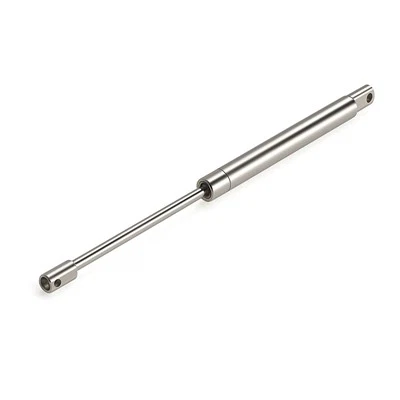
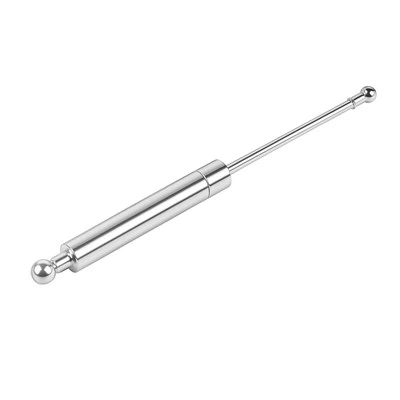
- Kitchen cabinet gas springs – the core lift-assist elements for wall cabinets.
- Gas props for kitchen cupboards – general term for small gas cylinders used on flap doors.
- Pneumatic struts for cabinet doors – using compressed gas to push the door up.
- Compression gas springs for wall cabinets – sized specifically for the weight and geometry of upper cupboards.
- Gas lift cylinders for kitchen doors and gas rams for lift-up cabinet doors – alternative names depending on market or catalog style.
To add controlled closing, designers often integrate:
- Hydraulic cabinet door stays
- Soft-close cabinet gas springs
- Hydraulic dampers for cabinet lids
- Gas shocks for overhead doors
These elements slow the motion in the last part of travel, creating a smooth soft-close effect.
Suggested image: Cross-section of a gas spring showing nitrogen gas chamber, piston rod, and oil used for damping.
3. Sizing Gas Struts: Weight, Geometry, and Stroke
Correctly sizing cabinet door lift supports starts with a few key measurements.
3.1 Door Weight and Dimensions
Collect:
- Door panel weight (including handle and glass inserts, if any).
- Door height and width.
- Construction (solid wood, MDF, framed glass, aluminum frame, etc.).
Heavier or wider doors require stronger compression gas springs for wall cabinets, and often two overhead cabinet gas struts instead of one.
3.2 Hinge and Mounting Geometry
Next, note:
- Hinge position and type (concealed flap hinge, top-mounted hinge, or specialty mechanism).
- Distance from hinge line to the door's center of gravity.
- Desired opening angle (e.g. 90°, 105°, or more for high-access cabinets).
This geometry determines the effective lever arm for the gas lift cylinders for kitchen doors and therefore the force required. In many cases, two symmetric non-locking cabinet gas springs are mounted, one on each side, for stability and balanced motion.
3.3 Stroke Length
The stroke of the gas spring must match the required travel of the flap door:
- Too short → the door cannot fully open.
- Too long → the gas spring jams or overextends, stressing hinges.
Correct stroke selection ensures that gas rams for lift-up cabinet doors operate fully within their design range without binding.
Suggested image: Technical drawing of a wall cabinet side view with dimensions, showing hinge line, center of gravity, and gas spring mounting points.
4. Mounting Positions and Motion Behavior
Where and how you mount the gas strut determines how the door behaves throughout its movement.
4.1 Typical Mounting Pattern
For lift-up flap doors:
- One end of the kitchen cabinet gas springs is attached to the cabinet side panel.
- The other end is attached to the inside of the door panel.
- The mounting brackets are placed so that the gas spring is at an effective angle through the motion, providing good lift near mid-travel and stable support in the fully open position.
For wider or heavier doors, two gas props for kitchen cupboards are used (left and right), combined with quality hinges and stay supports for kitchen flap doors if additional holding power is needed.
4.2 Infinite vs. Stepped Positioning
Standard non-locking cabinet gas springs allow the door to be held open primarily by geometry and friction at the top of travel. For more defined control, you can consider:
- Block-lift cabinet door struts – providing stepwise or "block" positions.
- Adjustable force cabinet gas springs – tuned during development to get the right balance of lift and holding behavior.
Suggested image: Diagram showing three positions of a flap door (closed, mid, open) with gas spring angles highlighted at each position.
5. Soft-Close Damping and User Experience
Soft-close motion is now a standard expectation in premium kitchens. To achieve this on lift-up doors, you can combine:
- Soft-close cabinet gas springs or
- Hydraulic cabinet door stays and
- Hydraulic dampers for cabinet lids
with properly sized kitchen cabinet gas springs. The aim is:
- Smooth, controlled opening – no sudden "kick" upward.
- Gentle, quiet closing – no door slamming into the cabinet frame.
In overhead applications, gas shocks for overhead doors with integrated damping help protect hinges and panels, and give users a high-quality tactile impression every time they open the cabinet.
Suggested image: Side-by-side comparison graphic: flap door slamming vs. flap door closing softly with gas springs and dampers.
6. Materials, Finishes, and Durability
Kitchen environments involve moisture, steam, grease, and regular cleaning. The gas spring finish and internal components must handle these conditions.
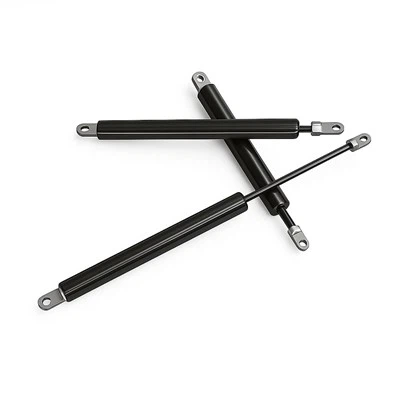
- Black nitrided cabinet gas struts
oProvide a premium dark appearance that blends with modern hardware.
oOffer strong corrosion and wear resistance, improving service life.
- Nitrogen gas springs for cabinet furniture
oUse stable nitrogen gas for consistent performance over many cycles.
oPaired with high-quality seals to prevent loss of force and oil leakage.
Working with a supplier that offers both standard and adjustable force cabinet gas springs lets you fine-tune the feel for different door sizes and materials while using a consistent visual and mechanical design across your kitchen ranges.
Suggested image: Product line photo showing standard zinc-coated struts and black nitrided cabinet gas struts side by side.
7. How Land Gas Springs Supports Kitchen Cabinet Manufacturers
Land Gas Springs partners with kitchen and furniture OEMs to develop optimized gas spring solutions for lift-up wall cabinets, flap doors, and overhead cupboards. We offer:
- Engineering support for force calculation, stroke selection, and mounting positions for kitchen cabinet gas springs and pneumatic struts for cabinet doors.
- Customized cabinet door lift supports, gas lift cylinders for kitchen doors, and gas rams for lift-up cabinet doors tailored to your door sizes and hinge systems.
- Premium finishes such as black nitrided cabinet gas struts for improved corrosion resistance and modern aesthetics.
- Flexible options including adjustable force cabinet gas springs, block-lift cabinet door struts, and integrated hydraulic cabinet door stays for advanced soft-close solutions.
On your website, this guide can link to product pages such as:
- Kitchen Cabinet Door Gas Struts – Land Gas Springs
- Soft-Close Gas Springs for Wall Cabinets – Land Gas Springs
Suggested image: Application collage showing several kitchen styles (modern white gloss, wood veneer, handle-less cabinets) all using lift-up flap doors with visible Land gas springs inside.
8. Design Better Lift-Up Kitchen Cabinets with Land Gas Springs
Well-designed gas struts for kitchen cabinet doors transform everyday overhead cupboards into safe, easy-to-use storage spaces. By matching door weight, geometry, and opening angle with correctly sized compression gas springs for wall cabinets, thoughtful mounting positions, and the right level of soft-close damping, you can deliver a seamless user experience in any kitchen design.
If you are developing new kitchen cabinet systems or upgrading existing lift-up solutions, the engineering team at Land Gas Springs can help you specify the ideal combination of kitchen cabinet gas springs, cabinet door lift supports, and hydraulic dampers for cabinet lids for your projects.
Contact us (info@lgassprings.com) to receive a detailed catalog, request professional design drawings, or obtain preferential pricing.