Hey everyone,
As a cab tilt gas springs supplier, I get asked a lot about different environmental stuff related to the products I sell. Most folks focus on how these parts work in trucks, equipment, and other vehicles-specifically making cab tilts smoother and safer for mechanics. But lately, people have been digging deeper: "Wait, do gas springs like the ones we supply for cab tilts actually impact the environment?" It's a solid question, especially when everyone's trying to cut down on industrial footprints and make more sustainable choices. Let's break this down, no fancy jargon, just what I've learned from years in the business.


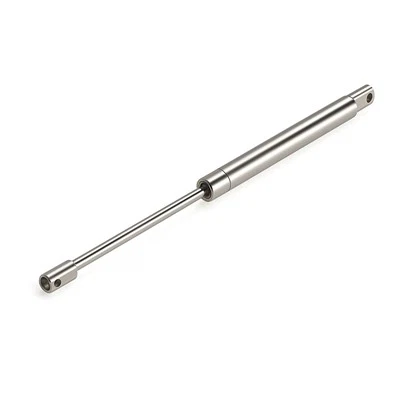
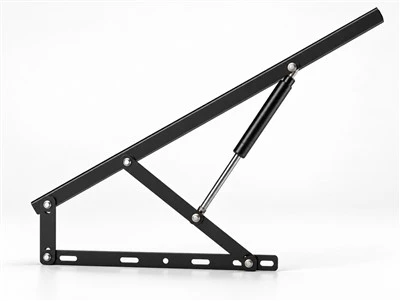
First, let's get clear on what cab tilt gas springs are. They're those compact, pressurized devices that replace old-fashioned heavy metal coil springs for truck cabs, construction equipment, and agricultural machines. You know, the ones that hold the cab up when you're doing maintenance so you don't have to struggle with a manual prop? They use nitrogen gas and a little oil to create consistent force, which is way more efficient than traditional springs. But since they're pressurized, made of metal, and have fluid inside, there are definitely environmental angles to consider-some good, some things we're working on fixing.
One of the biggest positives right off the bat: cab tilt gas springs help with fuel efficiency. Wait, how does that tie into the environment? Let's think. Old cab tilt systems were clunky, adding extra weight to the vehicle. Those metal springs and manual props meant trucks and equipment had to carry unnecessary bulk. Gas springs are lighter-often 30-50% lighter than traditional options. Lighter vehicles use less fuel, which means fewer greenhouse gas emissions from burning diesel or gas. That's a win no one really talks about enough. I've seen it firsthand with our clients: switching to our cab tilt gas springs cut their fleet's average fuel use by 2-3% over a year. For a trucking company with 100 rigs, that's thousands of gallons of fuel saved, and way less CO2 going into the air.
But it's not all sunshine. The first big environmental concern is the materials. Cab tilt gas springs are mostly made of steel for the body and a piston rod, with rubber seals and that nitrogen-oil mix. Steel production is energy-intensive-making new steel releases a lot of CO2, and mining the raw materials (iron ore, coal) has its own environmental costs. Then there's the issue of end-of-life disposal. If these springs aren't recycled properly, the steel can rust and leach into soil, and the pressurized gas and oil can spill out, contaminating water sources. A lot of smaller repair shops or even fleet maintenance guys don't know how to handle old gas springs right-they might just toss them in the trash, which is a problem.
Wait, but there's a flip side here too: recycling gas springs is actually possible, but not common enough. A few years back, we started working with a local metal recycling facility that specializes in industrial parts, and they told me gas springs are one of the most recyclable pneumatic parts out there if you process them correctly. The steel can be melted down and reused, the oil can be filtered and reprocessed, and the nitrogen can be recaptured instead of venting it into the atmosphere. But the infrastructure for recycling these parts is still spotty, especially in rural areas where a lot of our cab tilt clients are based. That's something we've been pushing for-working with industry groups to set up take-back programs for old springs.
Another thing: the manufacturing process. When I first started in this business, most gas springs were made with old equipment that used more energy and produced more waste. Now, we've updated our facility with energy-efficient machinery, switched to LED lighting, and cut down on water use by 40% by recycling process water. But not all suppliers do that. I've heard horror stories from clients who bought cheap gas springs from overseas-their manufacturing plants dump waste oil into local rivers and use fossil fuels with zero emissions controls. That's a huge environmental red flag. As a supplier, I make sure all our products meet ISO 14001 standards, which means we're minimizing our environmental impact at every step, from sourcing materials to shipping.
Wait, let's not forget about other gas spring applications that might be related, to put this in perspective. We supply gas springs for all kinds of industries-not just cab tilts. Like, check out these Gas Springs For Doors, Hatches & Lids for industrial machinery, or Toy Box Lid Support Gas Struts for consumer goods. Even in those smaller applications, the same environmental factors apply: material choice, manufacturing waste, end-of-life. When we're making cab tilt springs, we use similar high-quality materials to those other products, which is why durability matters so much to us. A spring that lasts 10 years instead of 3 reduces waste way more than any manufacturing tweak, right? Durability is key. That's why our cab tilt gas springs are built to handle heavy loads and harsh environments-no flimsy parts that break after a year.
Now, what about hazardous substances? Some older gas springs used chlorofluorocarbons (CFCs) or other harmful gases, but those were banned decades ago. Now, we use nitrogen, which is inert and non-toxic, so if a spring does leak, it's not going to poison anyone. The oil we use is hydraulic oil that's biodegradable, which is a big improvement over the old synthetic oils that would stick around in the environment. But even so, if oil leaks into soil, it can harm plants and small animals, so proper disposal is still crucial. We give all our clients a guide on how to dispose of old springs, and we even offer a discount on new ones if they send back their used ones for recycling. It's a small step, but it adds up.
Another angle: transportation. Since most of our cab tilt gas springs are used in trucks and agricultural equipment, shipping them can have an environmental impact. We've started using carbon-neutral shipping for all our products-partnering with carriers that offset their emissions by investing in wind and solar projects. We also package our springs with recyclable cardboard, no plastic wrapping, which cuts down on packaging waste. It's a small change, but every little bit helps. And compared to traditional cab tilt parts-like heavy steel springs and manual props-our gas springs are lighter, so shipping them uses less fuel per unit. That's another win for the environment.
Wait, I should address a common myth: some people think all gas springs are bad because they're pressurized, but that's not true. The pressure is necessary for them to work, and modern designs are much safer than they used to be. The risk of a spring exploding is super low now, so that's not a major environmental concern, though improper installation can lead to leaks, which we warn clients about constantly. We include detailed installation guides with every product, so mechanics don't make mistakes that could cause leaks or damage.
What about the future? I'm really excited about some of the innovations we're working on. We're testing gas springs made with recycled steel, which would cut down on the energy used for manufacturing by about 75%. We're also working on a take-back program where clients can drop off old springs at their local repair shop, and we'll process them for recycling. Plus, we're looking into using 100% biodegradable hydraulic oil, so if a spring ever does leak, it won't harm the environment at all.
Let's talk numbers to make this real. The average cab tilt gas spring lasts about 8-10 years. If we can get that to 12 years, that's 33% fewer springs being disposed of each year. For a fleet of 100 trucks, that's 100 fewer springs in landfills every 10 years. And when those springs are recycled, every ton of steel we reuse saves 2,500 pounds of iron ore, 1,400 pounds of coal, and 120 pounds of limestone. That's the kind of environmental impact we can see from durable, recyclable products.
I should also mention that our gas springs aren't just for trucks. We also supply things like Convertible Top Gas Struts for cars and Packaging Printing CNC Machine Door Gas Struts for factories. Even in those applications, the same environmental best practices apply-we prioritize low-waste manufacturing, durable designs, and recyclable materials. It's not just about cab tilts; it's about making all gas spring products as sustainable as possible.
Now, I know some folks might say, "But why focus on cab tilt gas springs specifically? What about other parts?" The thing is, cab tilt gas springs are used in heavy-duty applications where durability and reliability matter most, so their environmental impact is more significant. A truck that's 2-3% more fuel efficient because of lighter gas springs will save way more emissions than a small car using the same parts. That's why we care so much about this. We're not just selling a part; we're providing a solution that's better for the client and better for the planet.
So, to wrap this up: are there environmental impacts associated with cab tilt gas springs? Yeah, a few. The manufacturing uses energy, materials need to be recycled, and there's a risk of leaks if disposed of wrong. But the good stuff far outweighs the bad. They make vehicles lighter, more fuel efficient, and reduce emissions. And as an industry, we're constantly improving-switching to greener manufacturing, setting up recycling programs, and using better materials.
If you're a fleet manager, mechanic, or anyone looking for cab tilt gas springs, we've got you. We don't just sell parts; we can talk about the environmental benefits, help you with recycling old springs, and find the right product for your needs. Whether you're upgrading your fleet or replacing old parts, we're here to help you make a choice that works for your business and the planet. Reach out to us to discuss your cab tilt gas spring requirements, and we'll walk you through all the options, including how to minimize environmental impact at every step.
References
- International Organization for Standardization (ISO). (2022). Environmental Management Systems (ISO 14001). Geneva, Switzerland.
- American Hydraulic Institute. (2021). Biodegradable Hydraulic Oils: Environmental Performance and Application. Arlington, VA.
- Truck Research & Education Center. (2023). Fuel Efficiency Improvements in Medium-Duty Trucks. Ann Arbor, MI.
- Metal Recycling Association. (2022). Industrial Parts Recycling Guidelines. Chicago, IL.