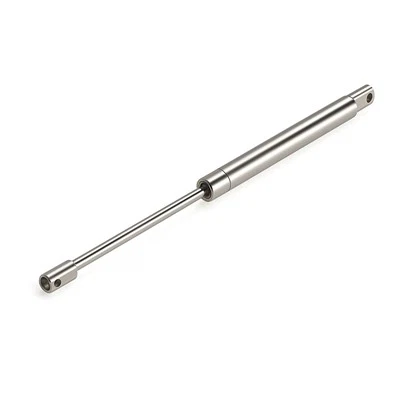
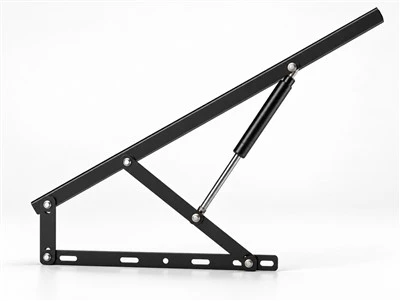
Are hydraulic dampers used in ships? This is a question that often arises in the maritime industry, and as a supplier of hydraulic dampers, I'm here to shed light on this topic.
The Basics of Hydraulic Dampers
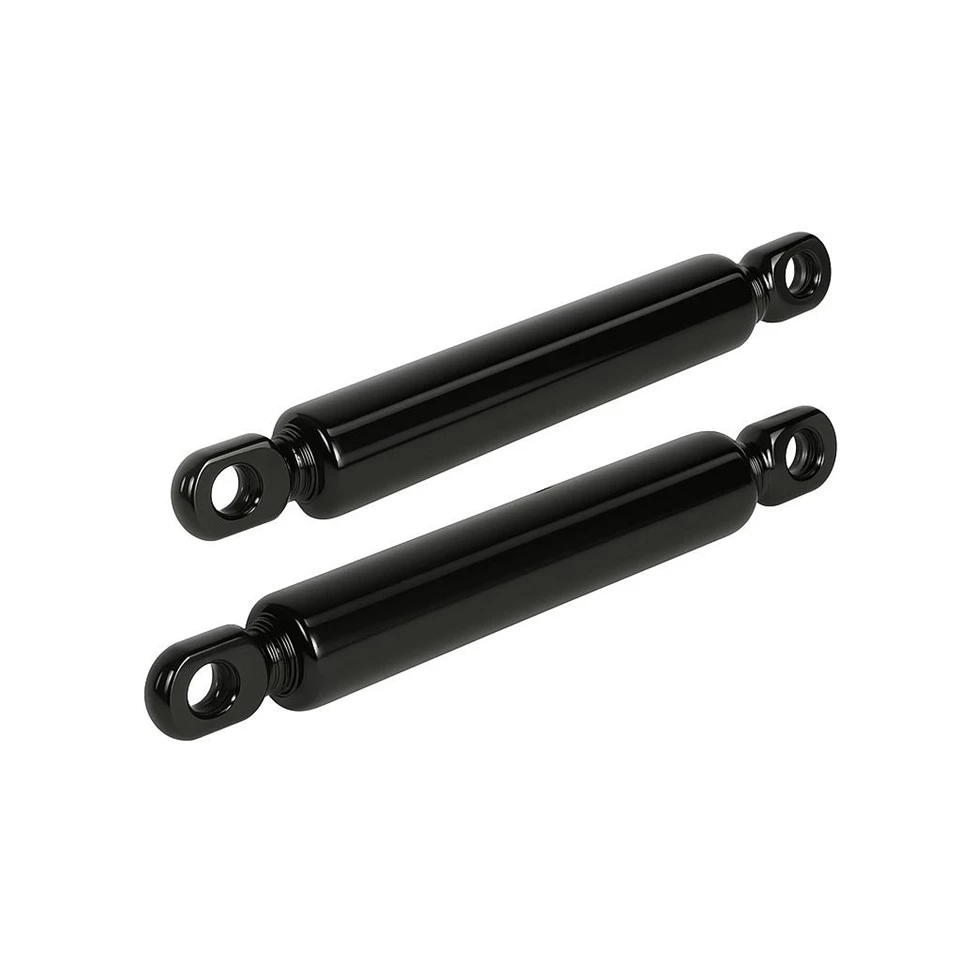
Before delving into their use in ships, let's understand what hydraulic dampers are. Hydraulic dampers are devices that control motion and absorb energy through the use of hydraulic fluid. They work on the principle of converting kinetic energy into heat energy by forcing the fluid through small orifices. This process allows for smooth and controlled movement, preventing sudden jerks or vibrations.
Hydraulic dampers come in various types and designs, each tailored to specific applications. For instance, Door Dampers Motion and Speed Control are designed to regulate the movement of doors, ensuring they open and close smoothly. On the other hand, Soft Close Lid Gas Dampers are used to provide a gentle closing action for lids, preventing them from slamming shut.
Applications of Hydraulic Dampers in Ships
Now, let's explore the different ways hydraulic dampers are used in ships.
1. Stabilization Systems
One of the primary applications of hydraulic dampers in ships is in stabilization systems. Ships are constantly subjected to the forces of waves, wind, and currents, which can cause them to roll, pitch, and yaw. Hydraulic dampers are used in anti - roll tanks and fin stabilizers to counteract these motions.
In anti - roll tanks, hydraulic dampers control the flow of water between the tanks. When the ship rolls, the dampers regulate the movement of water, creating a counter - force that reduces the rolling motion. Fin stabilizers, on the other hand, use hydraulic dampers to control the angle of the fins. By adjusting the fin angle in response to the ship's motion, the dampers help to keep the ship stable and reduce the discomfort of passengers and crew.
2. Machinery Mounting
Ships are equipped with a wide range of machinery, such as engines, generators, and pumps. These machines generate vibrations during operation, which can cause structural damage and affect the performance of other equipment on board. Hydraulic dampers are used to mount these machines, isolating them from the ship's structure and reducing the transmission of vibrations.
The dampers absorb the energy generated by the machinery's vibrations, converting it into heat and dissipating it. This not only protects the ship's structure but also improves the reliability and lifespan of the machinery.
3. Door and Hatch Control
In ships, doors and hatches need to be opened and closed smoothly and safely. Hydraulic dampers are used to control the motion of doors and hatches, preventing them from slamming shut due to the ship's motion or the force of the wind.
The Door Dampers Motion and Speed Control ensure that doors open and close at a controlled speed, reducing the risk of injury to crew members and damage to the doors themselves. Soft - close dampers are also used for hatches, providing a gentle closing action and preventing any sudden impacts.
4. Crane and Lifting Equipment
Ships often have cranes and other lifting equipment on board for loading and unloading cargo. Hydraulic dampers are used in these systems to control the movement of the crane's boom and the load.
When the crane is lifting or lowering a load, the dampers ensure a smooth and controlled motion. They prevent sudden stops or starts, which could cause the load to swing or the crane to tip over. This improves the safety of the lifting operations and protects the cargo and the crane itself.
Advantages of Using Hydraulic Dampers in Ships
The use of hydraulic dampers in ships offers several advantages.
1. Improved Safety
By reducing vibrations, controlling motion, and preventing sudden impacts, hydraulic dampers enhance the safety of ships and their crew. They help to prevent structural damage, reduce the risk of accidents during machinery operation, and ensure that doors and hatches can be used safely.
2. Enhanced Comfort
For passengers on cruise ships and ferries, the use of hydraulic dampers in stabilization systems reduces the rolling and pitching motion of the ship. This results in a more comfortable journey, reducing seasickness and improving the overall experience for passengers.
3. Increased Equipment Lifespan
As mentioned earlier, hydraulic dampers protect machinery from the damaging effects of vibrations. By isolating the machinery from the ship's structure, the dampers reduce wear and tear, extending the lifespan of the equipment and reducing maintenance costs.
4. Energy Efficiency
Hydraulic dampers are energy - efficient devices. They convert the kinetic energy of motion into heat energy, which is dissipated rather than being wasted. This helps to reduce the overall energy consumption of the ship's systems.
Challenges and Considerations
While hydraulic dampers offer many benefits, there are also some challenges and considerations when using them in ships.
1. Corrosion
Ships operate in a harsh marine environment, where corrosion is a major concern. Hydraulic dampers need to be made from materials that are resistant to corrosion, such as stainless steel or coated alloys. Regular maintenance and inspection are also required to ensure the integrity of the dampers.
2. Maintenance
Hydraulic dampers require regular maintenance to ensure their proper functioning. This includes checking the hydraulic fluid level, inspecting the seals for leaks, and testing the damper's performance. Maintenance can be challenging on ships, especially during long voyages, and requires trained personnel.
3. Compatibility
When selecting hydraulic dampers for a ship, it is important to ensure that they are compatible with the ship's systems and equipment. The dampers need to be sized correctly and have the appropriate damping characteristics to meet the specific requirements of the application.
Conclusion
In conclusion, hydraulic dampers play a crucial role in the operation of ships. They are used in a variety of applications, from stabilization systems to door control, and offer numerous advantages in terms of safety, comfort, equipment lifespan, and energy efficiency.
As a supplier of hydraulic dampers, we understand the unique requirements of the maritime industry. We offer a wide range of high - quality hydraulic dampers that are designed to withstand the harsh marine environment and meet the specific needs of ships.
If you are in the maritime industry and are looking for reliable hydraulic dampers for your ships, we invite you to contact us for a detailed discussion about your requirements. Our team of experts is ready to assist you in selecting the right dampers for your applications and providing you with the best possible solutions.

References
- "Marine Engineering Handbook" by C. J. Bartlett
- "Ship Design and Construction" by David S. Faulkner
- Technical papers on hydraulic dampers in the maritime industry published in various engineering journals.