Hey there, folks! As a supplier of traction gas springs, I've seen my fair share of damaged springs. And let me tell you, it can be a real headache. But don't worry, I'm here to walk you through the process of repairing a damaged traction gas spring.
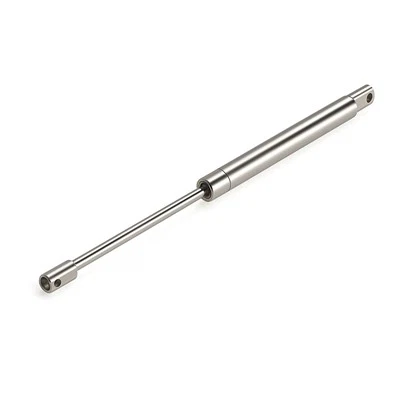
First things first, let's talk about what a traction gas spring is. It's a type of gas spring that uses compressed gas to provide a pulling force. These springs are commonly used in a variety of applications, from automotive to industrial. They're known for their durability and reliability, but like any mechanical component, they can sometimes break down.


So, how do you know if your traction gas spring is damaged? Well, there are a few signs to look out for. If the spring is leaking gas, it's a clear indication that there's a problem. You might also notice that the spring isn't providing as much force as it used to, or that it's making strange noises. If you experience any of these issues, it's time to take a closer look.
Before you start the repair process, it's important to gather the necessary tools and materials. You'll need a set of wrenches, a screwdriver, a seal kit, and some lubricant. Make sure you have everything you need before you begin, as this will make the process much smoother.
The first step in repairing a damaged traction gas spring is to remove it from the application. This will vary depending on the specific application, but in most cases, you'll need to use a wrench to loosen the bolts or nuts that hold the spring in place. Once the spring is removed, you can start the disassembly process.
To disassemble the spring, you'll need to use a screwdriver to remove the end cap. This will expose the internal components of the spring. Be careful when removing the end cap, as there may be some pressure inside the spring. Once the end cap is removed, you can carefully remove the piston and the rod from the cylinder.
Now that the spring is disassembled, it's time to inspect the components for damage. Look for any signs of wear or tear, such as scratches, dents, or cracks. If you find any damaged components, you'll need to replace them. You can find replacement parts at most hardware stores or online.
Once you've inspected the components and replaced any damaged parts, it's time to clean them. Use a clean cloth and some lubricant to clean the piston, the rod, and the inside of the cylinder. This will help to remove any dirt or debris that may have accumulated inside the spring.
After the components are clean, it's time to reassemble the spring. Start by inserting the piston and the rod into the cylinder. Make sure the piston is properly aligned with the rod, and that the seal is in place. Then, carefully replace the end cap and tighten it with a screwdriver.
Once the spring is reassembled, it's time to test it. You can do this by attaching the spring to the application and applying some force. If the spring is working properly, it should provide a smooth and consistent pulling force. If you notice any issues, such as a weak or inconsistent force, you may need to adjust the spring or replace the components again.
In some cases, you may not be able to repair the damaged traction gas spring yourself. If you're not comfortable working with mechanical components, or if you're not sure how to proceed, it's best to seek the help of a professional. A qualified technician will be able to diagnose the problem and provide you with the best solution.
Now, let's talk about some tips and tricks for preventing damage to your traction gas springs. First, make sure you're using the right spring for the application. Different applications require different types of springs, so it's important to choose the right one. You can find more information about different types of traction gas springs on our website, where you can check out 316 Stainless Tension Gas Springs and Adjustable Tension Gas Springs Pull Type.
Second, make sure you're properly maintaining your springs. This includes regularly cleaning and lubricating the components, as well as checking for any signs of wear or tear. By taking good care of your springs, you can extend their lifespan and prevent damage.
Finally, if you have any questions or concerns about your traction gas springs, don't hesitate to contact us. We're a leading supplier of traction gas springs, and we're always happy to help. Whether you need advice on choosing the right spring for your application, or you need help with a repair, we're here for you.
In conclusion, repairing a damaged traction gas spring can be a challenging but rewarding process. By following the steps outlined in this blog post, you can successfully repair your spring and get it back up and running in no time. Remember to always take the necessary safety precautions, and if you're not comfortable working with mechanical components, seek the help of a professional. And if you're in the market for a new traction gas spring, be sure to check out our website for a wide selection of high-quality springs.
References:
- Gas Spring Handbook
- Manufacturer's guidelines for traction gas springs