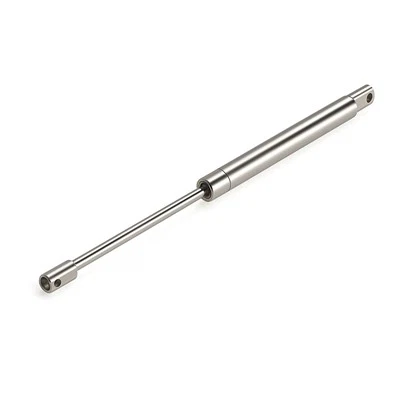
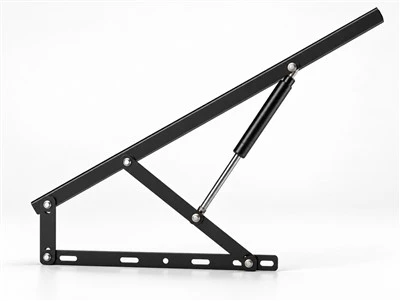
As a supplier of Monitor Arm Gas Springs, I understand the importance of proper transportation to ensure that these delicate components reach their destination in perfect condition. In this blog post, I will share the best practices for transporting monitor arm gas springs, drawing on my experience in the industry and the knowledge of the product's unique characteristics.


Understanding the Nature of Monitor Arm Gas Springs
Monitor arm gas springs are precision-engineered components designed to provide smooth and controlled movement for monitor arms. They consist of a cylinder filled with pressurized gas and a piston rod, which work together to support the weight of the monitor and allow for easy adjustment. Due to their pressurized nature, gas springs are sensitive to shock, vibration, and temperature changes, which can affect their performance and lifespan.
Preparing for Transportation
Before transporting monitor arm gas springs, it is essential to take the necessary precautions to protect them from damage. Here are some steps to follow:
- Inspect the Gas Springs: Before packing, carefully inspect each gas spring for any signs of damage or leakage. If a gas spring is damaged, it should not be transported and should be replaced immediately.
- Secure the Piston Rod: To prevent the piston rod from extending or retracting during transportation, it is important to secure it in place. This can be done using a locking mechanism or by using a strap to hold the piston rod in a fixed position.
- Use Appropriate Packaging: Gas springs should be packed in a sturdy box or container that provides adequate protection from shock and vibration. The box should be lined with cushioning material, such as foam or bubble wrap, to absorb any impact during transportation.
- Label the Package: Clearly label the package with the contents, handling instructions, and any other relevant information. This will help ensure that the package is handled properly during transportation.
Choosing the Right Transportation Method
The choice of transportation method will depend on several factors, including the distance of the shipment, the quantity of gas springs being transported, and the urgency of the delivery. Here are some options to consider:
- Ground Transportation: Ground transportation is a popular choice for transporting monitor arm gas springs, especially for short to medium distances. It is generally more cost-effective than air transportation and offers greater flexibility in terms of delivery times. However, ground transportation can be subject to delays due to traffic, weather conditions, and other factors.
- Air Transportation: Air transportation is the fastest option for transporting monitor arm gas springs, especially for long distances or urgent deliveries. It is also more reliable than ground transportation, as it is less affected by traffic and weather conditions. However, air transportation can be more expensive than ground transportation, especially for large or heavy shipments.
- Courier Services: Courier services are a convenient option for transporting monitor arm gas springs, especially for small quantities or urgent deliveries. They offer door-to-door delivery and tracking services, which can provide peace of mind for both the supplier and the customer. However, courier services can be more expensive than other transportation methods, especially for large or heavy shipments.
Handling and Storage During Transportation
During transportation, it is important to handle and store monitor arm gas springs properly to ensure their safety and performance. Here are some tips to follow:
- Avoid Rough Handling: Gas springs should be handled with care to avoid any damage or leakage. They should not be dropped, thrown, or subjected to excessive force.
- Keep the Gas Springs Upright: Gas springs should be stored and transported in an upright position to prevent the gas from leaking out. This will help ensure that the gas springs maintain their performance and lifespan.
- Protect the Gas Springs from Temperature Changes: Gas springs are sensitive to temperature changes, which can affect their performance and lifespan. They should be stored and transported in a temperature-controlled environment to prevent any damage or leakage.
- Monitor the Gas Springs During Transportation: It is important to monitor the gas springs during transportation to ensure that they are not damaged or leaking. If any issues are detected, the gas springs should be inspected and repaired or replaced as necessary.
Conclusion
Transporting monitor arm gas springs requires careful planning and preparation to ensure that they reach their destination in perfect condition. By following the best practices outlined in this blog post, you can minimize the risk of damage or leakage and ensure that your gas springs perform as expected.
If you are interested in purchasing Monitor Arm Gas Springs or have any questions about transportation or other aspects of our products, please [Contact Us](INSERT CONTACT INFORMATION HERE). We would be happy to discuss your needs and provide you with a quote.