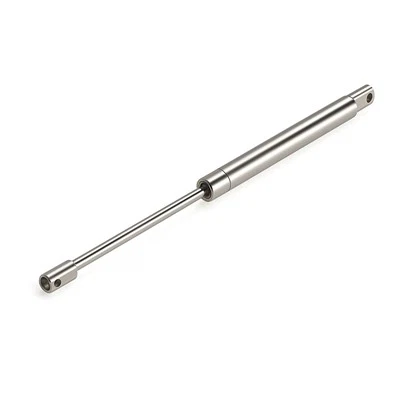
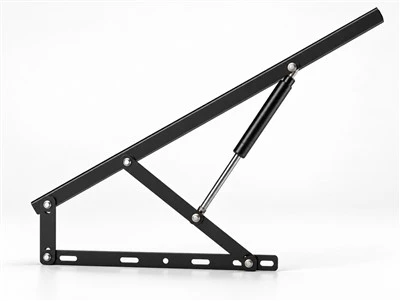
When it comes to setting up a comfortable and ergonomic workspace, a monitor arm with a gas spring is an essential tool. Gas springs in monitor arms provide smooth and adjustable movement, allowing users to position their monitors at the optimal height and angle for reduced neck and eye strain. One of the critical factors to consider when choosing a monitor arm with a gas spring is its minimum height adjustment. In this blog, as a supplier of Monitor Arm Gas Springs, I'll delve into what the minimum height adjustment of such a monitor arm means, why it matters, and how our gas springs contribute to achieving the right adjustment range.
Understanding the Minimum Height Adjustment of a Monitor Arm with a Gas Spring
The minimum height adjustment of a monitor arm with a gas spring refers to the lowest position to which the monitor can be lowered while still being supported by the arm. This measurement is crucial because it determines the flexibility of the monitor's placement. Different users have various ergonomic needs, and the ability to lower the monitor to a suitable height is essential for creating a comfortable viewing experience.


For example, in a shared workspace where multiple people with different body heights use the same monitor setup, a monitor arm with a low minimum height adjustment can accommodate shorter individuals. They can lower the monitor to a level where they can look straight at the screen without tilting their heads upwards, which helps prevent neck pain and discomfort.
Why the Minimum Height Adjustment Matters
Ergonomics
Ergonomics is at the forefront of modern workspace design. Prolonged use of a monitor at an improper height can lead to a variety of health issues, including neck and shoulder pain, back problems, and eye strain. A monitor arm with a sufficient minimum height adjustment allows users to position the monitor at or slightly below eye level, which is considered the optimal viewing position. This reduces the stress on the neck and spine, promoting better posture and overall well - being.
Space Utilization
In some work environments, space is limited. A monitor arm with a low minimum height adjustment can be beneficial in such cases. It allows the monitor to be lowered closer to the desk surface, freeing up vertical space. This can be particularly useful in compact workstations or areas where there are other equipment or objects that need to be placed on the desk.
User Preferences
Different users have different preferences when it comes to monitor height. Some people prefer to have the monitor closer to them and at a lower height, while others may like it higher up. A monitor arm with a wide range of height adjustment, including a low minimum height, can cater to these diverse preferences, ensuring that each user can customize their workspace according to their needs.
Our Monitor Arm Gas Springs and Minimum Height Adjustment
As a supplier of Monitor Arm Gas Springs, we understand the importance of the minimum height adjustment. Our gas springs are designed to provide a smooth and reliable adjustment mechanism that allows for a wide range of height settings, including a low minimum height.
We use high - quality materials and advanced manufacturing techniques to ensure the durability and performance of our gas springs. The gas springs are calibrated to provide the right amount of force to support the monitor at any height within the adjustment range. This means that even when the monitor is lowered to the minimum height, the gas spring can still hold it securely in place without sagging or wobbling.
Our gas springs also feature a precision - engineered locking mechanism. This allows users to lock the monitor at the desired height, ensuring that it stays in place during use. Whether you are working on a project that requires a stable monitor position or simply want to adjust the height once and leave it there, our gas springs can meet your needs.
Related Gas Spring Products
In addition to our Monitor Arm Gas Springs, we also offer a range of other gas spring products for different industries. For example, we have Bench Backrest Seat Adjustable Gas Springs. These gas springs are used in bench seats to provide adjustable support for the backrest. They allow users to adjust the angle of the backrest according to their comfort level, which is especially useful in workbenches or seating areas where people need to sit for extended periods.
We also supply Walking and Standing Aids Gas Springs. These gas springs are used in assistive devices to help people with mobility issues. They provide the necessary support and assistance to make walking and standing easier and more comfortable.
Another product in our portfolio is Hood Lift Supports. These gas springs are used in automotive and other applications to hold the hood open. They are designed to provide a reliable and easy - to - use lifting mechanism, making it convenient for maintenance and inspection.
Contact Us for Procurement
If you are in the market for Monitor Arm Gas Springs or any of our other gas spring products, we would love to hear from you. Our team of experts can provide you with detailed information about our products, including their features, specifications, and pricing. We can also offer customized solutions based on your specific requirements.
Whether you are a manufacturer looking to integrate our gas springs into your monitor arms or other products, or a distributor interested in adding our products to your inventory, we are ready to work with you. Contact us today to start a conversation about your procurement needs.
References
- "Ergonomics in the Workplace: A Guide to Preventing Musculoskeletal Disorders", Occupational Safety and Health Administration (OSHA)
- "The Importance of Monitor Placement for Eye Health", American Optometric Association