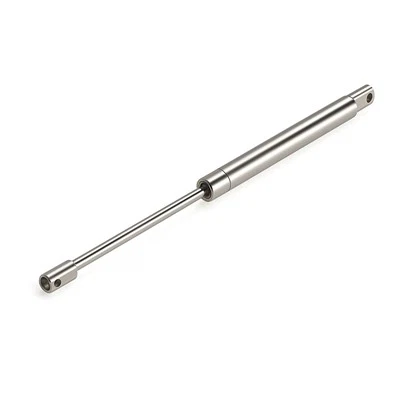
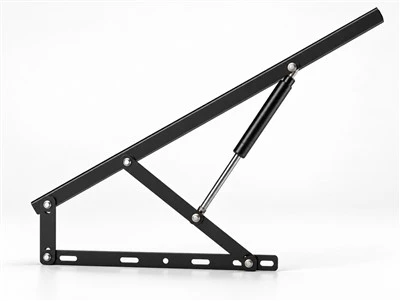
Hey there! If you've ever shopped around for stainless steel gas springs, chances are you've asked yourself one big question before hitting "checkout": do these even come with a warranty? As someone who's been supplying stainless steel gas springs for a minute now, I get why that's such a common concern-these parts aren't cheap, right? They're used for things like food processing equipment, marine gear, medical devices, even industrial vehicles where rust or failure isn't an option. Toss in the harsh environments these parts often live in, and a solid warranty isn't just a nice-to-have-it's non-negotiable for most buyers.
Let me break this down from both my perspective as a supplier and the actual industry rules, because there's a lot of misinformation out there about what stainless steel gas spring warranties cover, and what they don't. First off, not all stainless steel gas springs are the same. You've got 304, 316, sometimes even 302 stainless steel for different use cases, and that changes everything when it comes to warranties. Cheaper generic springs you find on Amazon or random bulk sites? Most of the time, those come with a basic 30-90 day warranty, if they even have one. But when you're investing in stainless steel springs that are built to withstand saltwater, food-grade cleaners, or sanitization cycles (we're looking at you, commercial kitchen and marine customers), you're gonna want way more than that.
Here's the thing: a good warranty for stainless steel gas springs isn't just a "we'll replace it if it breaks" promise. It has to account for the unique stresses these parts face. Unlike regular steel gas springs, stainless steel ones are designed without plating or coatings-so corrosion resistance is their whole thing. A lot of warranty claims I see come from folks who used 304 springs in a full-saltwater marine application, thinking stainless = rust-proof, only to end up with pitting and a broken seal six months later. 304 stainless is great for mild environments-indoor food processing, for example, where cleaners are mild and there's no constant humidity. But 316 stainless, the extra corrosion-resistant grade, is made exactly for those harsh saltwater or industrial chemical environments. That's why when we talk about warranty, the grade of stainless steel matters a ton. Want to see the difference between locking styles and corrosion-resistant options? Check out these pages to get specific: 304 316 Stainless Locking Gas Springs and Stainless Steel 316 Gas Springs Corrosion-Resistant. Those pages go deep on material specs, which directly tie to warranty coverage.


Now, what does a typical solid stainless steel gas spring warranty actually cover? From my side, our standard warranty for commercial-grade stainless steel gas springs is 12 months from the date of delivery, and it covers defects in materials and workmanship. That means if the seal leaks, if the piston rod bends under normal use, if the stainless steel has a manufacturing defect that causes corrosion before it should, we'll fix or replace it no questions (well, almost no questions). But wait-there's always the fine print, and that's where a lot of buyers get burned. Our warranty doesn't cover misuse, obviously. If someone uses a 500lb rated spring to lift a 1000lb load, that's on them. If they modify the spring, use it in a way it's not intended for (like forcing a locking mechanism open with a wrench), or don't install it correctly? Nope, that voids the warranty. Also, if you use a 304 spring in a high-salt marine environment and it rusts? That's not a defect in material-that's the application not matching the spring's specs, so that's a no-go for a claim.
I've had way too many customers come to me frustrated, saying "your spring broke and it's only 2 months old" only to realize they ordered the wrong grade. They thought stainless steel is stainless steel, but 304 can still corrode in constant saltwater because it has molybdenum added to 316 to resist chloride ions. That's not something we can fix after the fact, so the warranty has to be paired with the right product for the job. That's why we always take a minute to ask customers about their application when they reach out-we don't want them wasting money on a spring that won't hold up, even if it has a warranty.
Another point: some suppliers will offer extended warranties for an extra cost, which is super useful for critical applications. For example, a medical device manufacturer can't afford a spring failing mid-operation, so they'll opt for a 3-year extended warranty that covers normal wear and tear, not just defects. The catch here is that extended warranties usually require regular maintenance checks, which is reasonable if your equipment is operating around the clock. We've had a few aerospace clients go that route, and it's saved them a ton of downtime and replacement costs over the years.
Wait, what about custom stainless steel gas springs? A lot of our customers need springs made to exact dimensions for a custom machine, right? Those have the same 12-month base warranty, but since they're built to order, we double-check every step-from material grade to piston rod finish-so defects are way less likely. That's a big plus with working with a supplier who does custom stuff, as opposed to off-the-shelf generic springs. Generic off-the-shelf might fit "close enough," but they're mass-produced, so quality control gaps are way more common, which is why their warranties are so short.
Let me address a common myth I hear all the time: "if it's stainless, the warranty is forever." No way. Even the best 316 stainless springs will eventually wear out. The seals will degrade, the gas will seep out, that's normal wear over time. A warranty isn't supposed to cover that- it's supposed to cover when a part fails before its expected lifespan because of a manufacturing mistake. I always tell customers to think of it like a car warranty: it covers factory defects, not driving your car into a lake. Same logic here.
So, how do you actually make sure the warranty is valid when you need it? First, keep your purchase receipt or order confirmation-we see a lot of claims from people who can't prove when they bought the spring, so that's the first thing to have. Second, follow the installation and maintenance guidelines we send with every spring. That means lubricating if needed, not overloading, storing it correctly if it's unused for a long time. Third, be honest about your application when you order. If you're using it on a boat in Florida, don't buy 304 and expect us to cover it if it rusts. We'll steer you to 316, which is built for that environment.
Now, if you're in the market for stainless steel gas springs and want to know exactly what warranty options work for you, feel free to reach out. Whether you're a small business owner looking for springs for a food truck, a marine equipment builder, or a large industrial company, we can walk you through the warranty terms, help you pick the right grade, and answer any other questions you have. No sales pitch, just straight talk-we've been doing this long enough to know that happy customers come from transparency, not fine print.
At the end of the day, a warranty is just one piece of the puzzle when it comes to stainless steel gas springs, but it's a really important one. It gives you peace of mind that if something goes wrong because of a mistake on our end, you're covered. And when paired with the right material and proper use, those warranties will save you time, money, and headaches down the line.
References
- Stainless Steel Spring Material Corrosion Resistance Standards (ASTM A276 / A484)
- Industrial Gas Spring Warranty Guidelines (Industrial Equipment Manufacturers Association, 2023)
- Marine Application Requirements for Stainless Steel Components (National Marine Manufacturers Association, 2022)
- Food-Grade Stainless Steel Equipment Specifications (NSF International, 2021)