Hey there! As a supplier of bus door gas springs, I've seen firsthand how these nifty components work hand - in - hand with bus door sensors. Let's dig into the details of how this dynamic duo functions.


The Basics of Bus Door Gas Springs
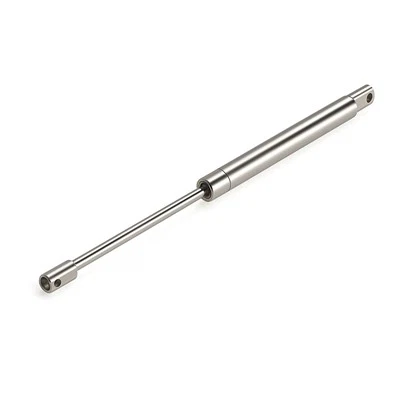
First off, let's talk about what bus door gas springs are. These are essentially cylinders filled with compressed gas, usually nitrogen. They're designed to provide a controlled force that helps in opening and closing bus doors smoothly. Think of them as the muscle behind the bus door's movement.
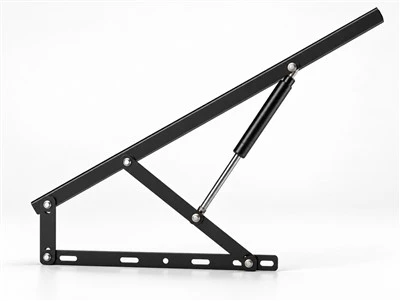
The gas spring has a piston rod that moves in and out of the cylinder. When the door is being opened, the gas inside the cylinder expands, pushing the piston rod out and assisting in the door's movement. On the other hand, when the door is closing, the piston rod is pushed back into the cylinder, compressing the gas. This compression stores energy, which can be used for the next opening cycle.
How Bus Door Sensors Come into Play
Bus door sensors are like the eyes and ears of the bus door system. They're responsible for detecting various conditions and ensuring the safety and proper operation of the doors. There are different types of sensors used in bus doors, such as infrared sensors, pressure sensors, and magnetic sensors.
Infrared sensors are commonly used to detect the presence of objects or people in the door's path. If an object is detected, the sensor sends a signal to the door control system, which then stops the door from closing to prevent any accidents. Pressure sensors, on the other hand, can detect if the door is being obstructed during the closing process. They measure the pressure exerted on the door and send a signal to stop the door if the pressure exceeds a certain threshold.
Magnetic sensors are used to detect the position of the door. They can tell whether the door is fully open, fully closed, or in an intermediate position. This information is crucial for the proper functioning of the bus door system, as it allows the control system to coordinate the opening and closing of the doors.
The Coordination between Gas Springs and Sensors
Now, let's get into how these two components work together. When a bus door is about to open, the control system receives a signal, usually from the driver's console. The sensors first check if the path is clear. If everything is okay, the control system then activates the gas springs.
The gas springs start to extend, providing the necessary force to open the door. As the door opens, the magnetic sensors continuously monitor the position of the door. Once the door reaches the fully open position, the sensors send a signal to the control system, which stops the gas springs from further extending.
During the closing process, the sensors play an even more critical role. As the door starts to close, the infrared and pressure sensors are constantly on the lookout for any obstructions. If an object is detected, the sensors immediately send a signal to the control system. The control system then stops the gas springs from closing the door and may even reverse the movement to open the door slightly to release the obstruction.
This seamless coordination between the gas springs and sensors ensures the safety and efficiency of the bus door system. Without the sensors, the gas springs would just keep opening and closing the doors regardless of the conditions, which could lead to serious accidents.
Applications in Different Industries
While we're mainly focused on bus doors, it's worth noting that gas springs and sensors have applications in other industries too. For example, Equipment Cover and Console Lift Supports use gas springs to provide smooth opening and closing of equipment covers and consoles. The sensors in these applications can detect if the cover is open or closed, and can also sense any obstructions.
Another industry where gas springs and sensors are used is in Tooling Fixtures and Jigs Positioning Gas Springs. These gas springs help in positioning tooling fixtures and jigs accurately. Sensors can be used to ensure that the fixtures are in the correct position and to detect any movement or misalignment.
Even in the marine industry, Yacht Boat Lid Gas Springs are used to open and close boat lids. Sensors can be installed to detect if the lid is fully open or closed, and to prevent any accidental closure if there's an object in the way.
Why Choose Our Bus Door Gas Springs
As a supplier of bus door gas springs, we take pride in offering high - quality products. Our gas springs are designed to be durable and reliable, with a long service life. They're also engineered to work seamlessly with a wide range of bus door sensors.
We understand the importance of safety in the bus industry, and our gas springs are designed to meet the highest safety standards. They provide a smooth and controlled movement of the bus doors, reducing the risk of accidents.
In addition to our high - quality products, we also offer excellent customer service. Our team of experts is always ready to answer any questions you may have and to provide technical support.
Contact Us for Your Bus Door Gas Spring Needs
If you're in the market for bus door gas springs, we'd love to hear from you. Whether you're a bus manufacturer, a maintenance company, or an operator, we can provide you with the right gas springs for your needs.
Don't hesitate to reach out to us to discuss your requirements. We can work with you to find the best solution for your bus door system. Let's work together to ensure the safety and efficiency of your bus doors.
References
- Automotive Door System Handbook
- Gas Spring Design and Application Guide
- Sensor Technology in Transportation Systems