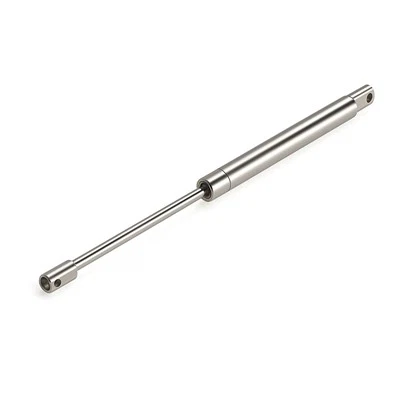
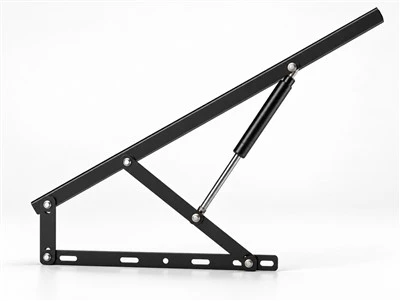
Hey there! As a supplier of stainless steel gas springs, I know firsthand how frustrating it can be when these handy devices start leaking gas. Not only does it affect their performance, but it can also lead to safety issues. In this blog post, I'm going to share some tips on how to prevent a stainless steel gas spring from leaking gas.
Understanding Stainless Steel Gas Springs
Before we dive into the prevention methods, let's quickly understand what stainless steel gas springs are. These are mechanical devices that use compressed gas to provide force and support. They're commonly used in various applications, from automotive hoods to industrial machinery, because of their durability and reliability. The stainless steel construction makes them resistant to corrosion, which is a huge advantage in many environments.
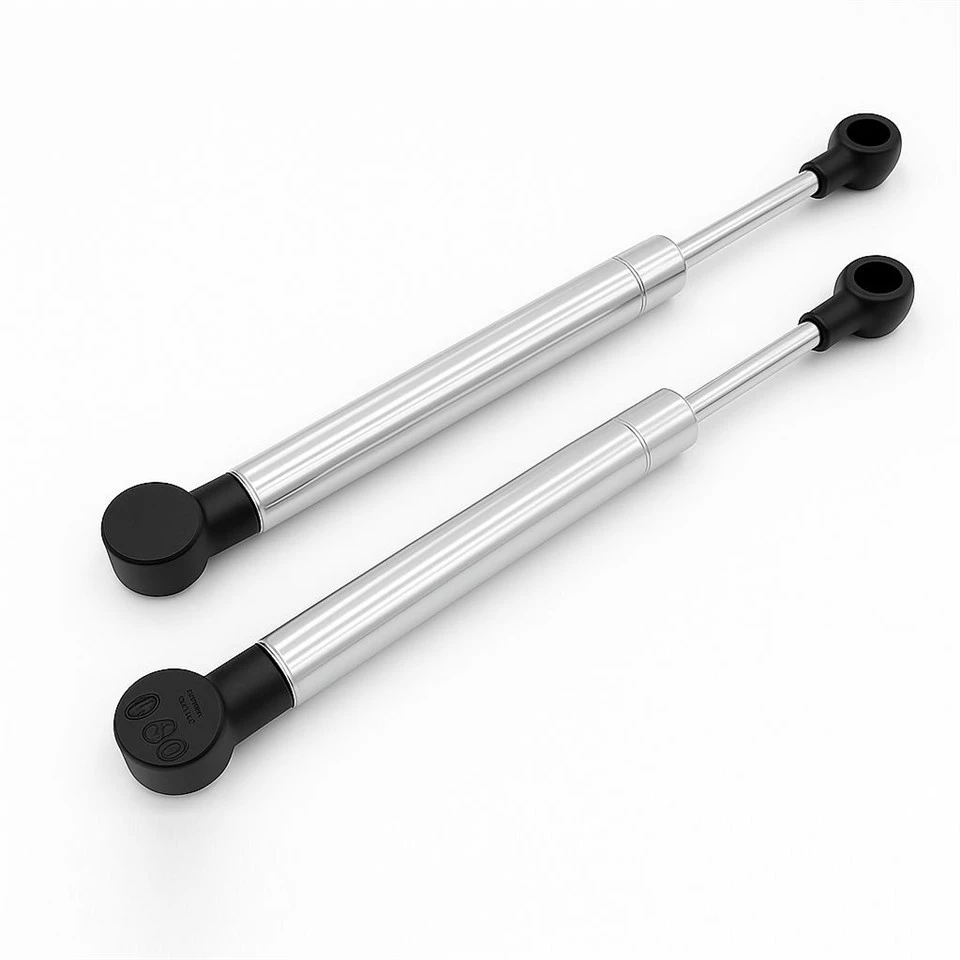
If you're interested in high - quality stainless steel gas springs, you can check out our Stainless Steel 316 Gas Springs Corrosion - Resistant and 304 316 Stainless Locking Gas Springs. These products are designed to meet different needs and offer excellent performance.
Proper Installation
One of the most important steps in preventing gas leakage is proper installation. A gas spring that is not installed correctly can experience excessive stress, which may cause seals to break or the cylinder to crack, leading to gas leakage.
First, make sure you choose the right gas spring for your application. Consider factors like the required force, stroke length, and mounting style. Using the wrong gas spring can put unnecessary strain on the components.
When mounting the gas spring, follow the manufacturer's instructions carefully. Ensure that the mounting points are clean, free of debris, and properly aligned. Misaligned mounting can cause the gas spring to flex in the wrong direction, damaging the seals over time. You should also use the appropriate hardware for mounting. Using sub - standard or ill - fitting hardware can loosen over time, leading to movement and potential gas leakage.
Regular Inspection
Regular inspection is crucial for detecting early signs of potential gas leakage. You should visually inspect the gas spring for any external damage, such as scratches, dents, or corrosion on the cylinder or rod. Minor scratches can gradually worsen, creating pathways for gas to escape.
Check the seals around the rod and the base of the gas spring. If you notice any signs of wear, like cracks or deformation, it's a red flag that the seal may be failing. You can also perform a simple pressure test if possible. Just apply a consistent load to the gas spring and observe its movement. If it moves too easily or inconsistently, there might be a gas leakage issue.
Inspect the mounting points as well. Loose or damaged mounting can cause the gas spring to move around, which can damage the internal components and lead to gas leakage. Tighten any loose bolts or replace any damaged hardware.
Maintenance and Lubrication
Proper maintenance can significantly extend the lifespan of a stainless steel gas spring and prevent gas leakage. Lubrication is an essential part of this process. The moving parts of the gas spring, such as the rod and the piston, need to be lubricated regularly.
Use a lubricant that is compatible with the gas spring's materials. A good lubricant reduces friction between the moving parts, which in turn reduces wear on the seals. This helps to maintain a tight seal and prevent gas from escaping.
However, be careful not to over - lubricate. Excessive lubricant can attract dirt and debris, which can cause abrasion and damage to the seals. Apply a thin, even layer of lubricant according to the manufacturer's recommendations.
Environmental Considerations
The environment in which the gas spring operates can also have a big impact on its performance and the likelihood of gas leakage. Exposure to extreme temperatures, chemicals, or high humidity can all damage the gas spring.
If the gas spring is used in a high - temperature environment, the gas inside can expand, increasing pressure on the seals. Over time, this can cause the seals to break down. In very cold temperatures, the gas can contract, and the materials may become more brittle, also increasing the risk of leakage.
Similarly, exposure to chemicals, such as acids or solvents, can corrode the stainless steel and damage the seals. If your gas spring is used in an area where it may come into contact with chemicals, consider using a more corrosion - resistant model, like the Stainless Steel 316 Gas Springs Corrosion - Resistant.
High humidity can also cause corrosion, especially if the gas spring is not properly sealed. To protect against humidity, you can use protective coatings or store the gas spring in a dry environment when not in use.
Quality Control
As a supplier, we take quality control very seriously. We ensure that all our gas springs are manufactured to the highest standards. We use high - quality stainless steel materials and advanced manufacturing processes to ensure the integrity of the gas spring.
Before shipping, each gas spring undergoes rigorous testing to check for gas leakage and other performance issues. We also provide detailed product specifications and installation instructions to our customers to ensure proper use.
If you're in the market for a reliable stainless steel gas spring, we encourage you to reach out to us for more information. We can help you choose the right product for your specific needs and ensure that you get the best performance and longevity from it.
Conclusion
Preventing gas leakage in stainless steel gas springs involves a combination of proper installation, regular inspection, maintenance, attention to the environment, and high - quality products. By following these tips, you can significantly reduce the risk of gas leakage and ensure that your gas springs perform optimally for a long time.
If you have any questions about our stainless steel gas springs or need help with installation and maintenance, don't hesitate to contact us. We're here to assist you with all your gas spring needs and are ready to start a discussion about possible procurement.

References
- Industry standards for stainless steel gas springs
- Manufacturer's guidelines for gas spring installation and maintenance